
Why Is My Commercial Walk-In Cooler Running Constantly (And How Can I Lower the Bill)?
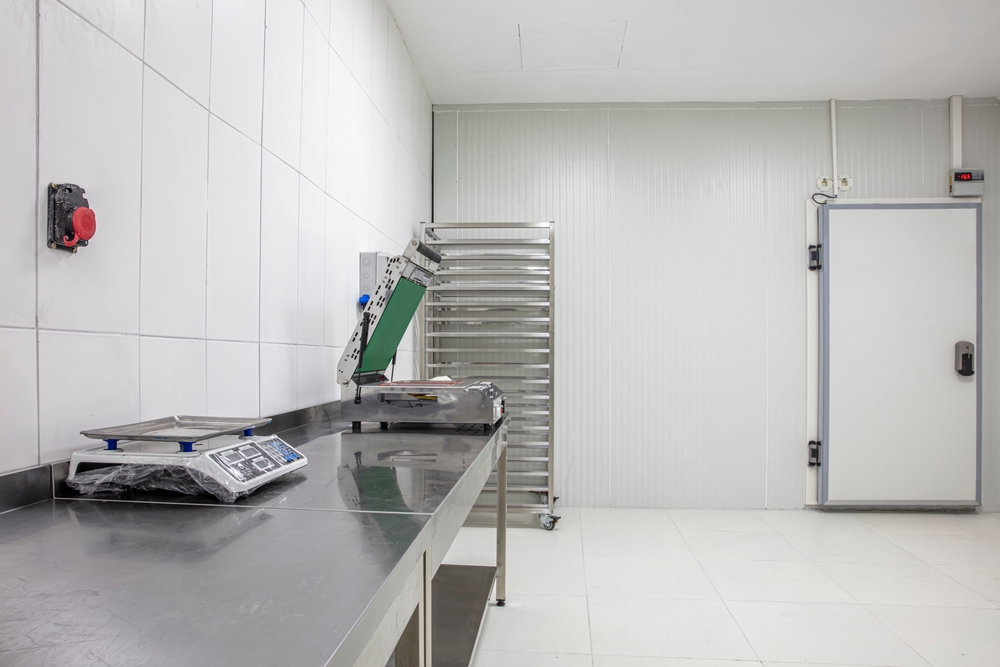
A walk-in cooler is one of the most essential pieces of equipment in any food service, retail, or commercial operation. It ensures that perishables remain at safe temperatures while maintaining the integrity of products and compliance with safety regulations. However, if your commercial walk-in cooler seems to be running all the time, it may be a warning sign of inefficiency that could lead to high energy bills and even premature equipment failure.
In this post, we will explore the possible reasons why your cooler might be operating nonstop, how this affects your refrigeration power consumption, and what practical steps you can take to improve walk-in cooler efficiency. With rising energy costs, understanding how to optimize cooler performance is critical for your bottom line.
Inefficient Door Seals and Frequent Opening
One of the most common yet overlooked reasons for constant cooler operation is poor door management. If the door seals are worn, torn, or no longer closing tightly, warm air can seep into the cooler continuously. This causes the internal temperature to rise, forcing the compressor to work harder and run longer to maintain the desired cooling level.
Similarly, if staff frequently open the cooler door or leave it ajar, even briefly, this allows warm air and humidity from the outside environment to enter. Every time this happens, the cooler has to compensate for the increased temperature and moisture, increasing its workload and energy usage.
Addressing these problems might involve replacing damaged gaskets, installing automatic door closers, or training staff to minimize unnecessary door openings. Small changes like these can make a significant impact on your walk-in cooler efficiency.
Lack of Thermal Insulation or Insulation Damage
Another potential contributor to constant operation is a loss in thermal insulation performance. The cooler’s walls, floor, and ceiling are constructed to keep the internal environment cold and sealed off from external heat. However, over time, insulation materials may degrade, become wet, or suffer physical damage.
Even small breaches or deteriorations in insulation can reduce the system’s ability to maintain low temperatures. This causes the cooler to consume more energy in its effort to compensate, ultimately affecting your refrigeration power consumption.
Performing regular inspections to identify signs of water damage, mold, or temperature gradients in cooler surfaces is essential. If any thermal insulation repair is needed, it should be carried out immediately. Proper insulation not only reduces energy consumption but also prolongs the lifespan of the entire refrigeration system.
Obstructed or Malfunctioning Components
When a walk-in cooler runs constantly, it is important to check the condition of all mechanical and airflow components. A clogged condenser coil, for example, can restrict heat exchange, which prevents the cooler from reaching its set temperature efficiently. The compressor may keep running in vain, wasting energy and increasing wear.
Evaporator fans also need to work correctly to circulate cold air inside the cooler. If airflow is blocked by ice buildup or poorly arranged contents, the cooling process becomes inefficient. In some cases, refrigerant leaks can also contribute to the problem by reducing the cooling capacity.
A commercial refrigeration system should be maintained regularly by a qualified technician. Cleaning coils, checking refrigerant levels, and confirming the operation of thermostats and sensors can prevent unnecessary power usage and costly breakdowns.
Outdated or Inefficient Lighting and Electrical Systems
Though lighting may seem like a minor contributor to energy use in refrigeration, outdated lighting can have a surprising impact. Incandescent or fluorescent lights not only use more electricity but also give off heat, which works against the cooling system. Every additional watt of heat produced inside the cooler adds to the compressor’s burden.
Switching to LED lighting for coolers is a smart upgrade. LEDs emit significantly less heat and use a fraction of the power, providing bright and even illumination without interfering with temperature control. Additionally, motion sensors or timers can be installed to ensure lights are only on when necessary, further reducing energy waste.
Electrical components such as outdated control systems or poorly calibrated thermostats can also lead to excessive operation. Replacing them with modern energy-efficient models allows for better temperature control and smarter operation cycles, which directly impact energy savings.
Overloading or Improper Storage Practices
How you store items in your walk-in cooler can also affect its operation. Overloading the cooler with more items than its intended capacity can restrict airflow and create hot spots. This leads to uneven cooling and longer run times as the system struggles to reach uniform temperatures.
Similarly, placing warm or room-temperature items directly into the cooler in large quantities introduces excess heat. This makes the refrigeration system work harder and longer to stabilize the temperature. It is advisable to allow items to cool to ambient room temperature before placing them in the cooler, when possible.
Proper organization and shelving practices can also make a difference. Items should not block vents or fans, and there should be enough space between products to allow air to circulate freely. Implementing good storage habits can greatly improve walk-in cooler efficiency and reduce refrigeration power consumption over time.
Conclusion
When a commercial walk-in cooler runs constantly, it is not just a minor inconvenience. It often signals inefficiencies that can lead to high energy bills in commercial refrigeration and potential damage to the system. Identifying and addressing the underlying causes such as faulty door seals, compromised insulation, obstructed airflow, inefficient lighting, and poor storage practices is essential.
By investing in preventative maintenance, timely repairs, and modern upgrades like LED lighting for coolers, businesses can enhance performance and significantly reduce energy costs. Thermal insulation repair, smart usage habits, and proactive monitoring go a long way toward ensuring that your refrigeration system runs efficiently, only when it needs to.
Keeping your walk-in cooler running smoothly is not just about preserving food quality, but also about maintaining a sustainable and cost-effective operation. With these strategies in place, you can prevent your cooler from running nonstop and gain greater control over your energy consumption and monthly expenses.
Need Commercial Refrigeration, Heating and Cooling in Eugene, OR?
Call American Refrigeration for all your commercial heating, ventilation & cooling needs! Founded in 1995, American Refrigeration has been proudly serving the Eugene & Portland areas with honesty & integrity for over 19 years. We specialize in commercial HVAC, air conditioning & heating repair, including medical laboratories and winery chillers. Emergency Repair is available 24/7 and we honor manufacturer rebates & warranties. Contact us today!