
How Do You Know if Your Walk-In Cooler Compressor Is About to Fail?
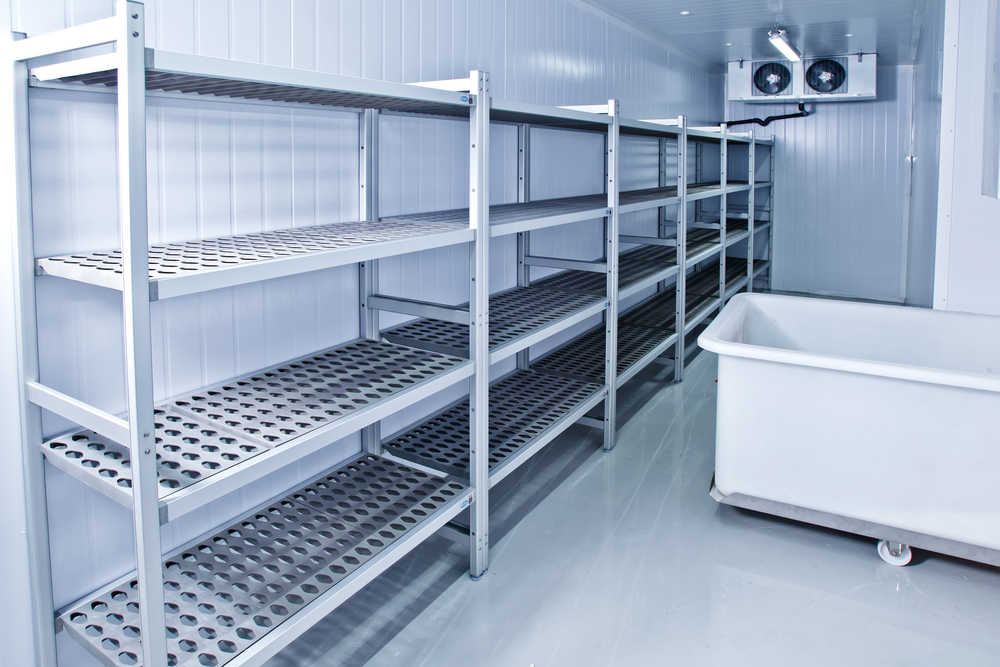
Your walk-in cooler is the backbone of your food service or cold storage operation. When the compressor starts to struggle, the consequences can be severe: spoiled inventory, failed health inspections, and costly emergency refrigeration repair calls that could have been avoided with earlier attention. The compressor is the heart of your refrigeration system, and like any mechanical heart, it sends warning signals before it gives out completely. Knowing how to read those signals can save you thousands of dollars and a serious operational headache.
The Compressor Is Running Constantly Without Cycling Off
One of the earliest and most telling signs that something is wrong with your refrigeration system is a compressor that never seems to stop running. Under normal operating conditions, a compressor will cycle on and off throughout the day as it maintains the set temperature inside the unit. When it runs continuously without shutting off, that is a clear indicator the system is struggling to reach or maintain the desired temperature.
This behavior often points to a refrigerant leak, a failing compressor motor, or a dirty condenser coil that is forcing the system to work overtime. If you are based in Eugene and notice this pattern, do not wait it out. A compressor that runs nonstop is burning itself out, and what starts as an efficiency problem quickly becomes a full breakdown. Walk-in cooler troubleshooting at this stage is far less expensive than replacing a burned-out compressor entirely. Industrial cooling maintenance checks should include verifying cycle times as part of any routine inspection.
You Hear a Refrigeration Compressor Clicking Sound
Sound is one of the most reliable diagnostic tools you have as a business owner or facility manager. A healthy compressor hums at a consistent pitch during operation. When you start hearing a refrigeration compressor clicking sound, particularly at startup, that is a strong signal that the compressor motor is having trouble engaging properly.
This clicking often indicates a hard-starting compressor, which means the motor is trying to start but failing to get up to speed before cutting out. The clicking you hear is typically the overload protector tripping to prevent damage. Sometimes the fix is straightforward, such as installing a hard start kit or replacing a faulty capacitor. Other times, the internal windings of the motor have already been damaged from repeated failed starts. Either way, a clicking compressor is not something to ignore. Get a commercial compressor repair technician to evaluate it before the unit fails during peak hours.
Beyond clicking, listen for banging, rattling, or a loud knocking sound during operation. These noises can indicate loose internal components or a mechanical issue inside the compressor itself. At that point, the unit is not just struggling; it may be on the verge of seizing entirely.
The Temperature Inside the Cooler Is Inconsistent
If your staff is noticing that products near the back of the cooler are staying cold while items closer to the door are warming up, or if your temperature logs are showing unexplained fluctuations, the compressor may not be producing adequate refrigerant flow. Temperature inconsistency is a symptom that often gets blamed on the door gaskets or the thermostat before anyone thinks to look at the compressor.
A compressor that is losing compression capacity cannot push enough refrigerant through the system to maintain even cooling. This is particularly dangerous in food service environments in Eugene, where health regulations require strict temperature controls. Walk-in cooler troubleshooting should always include a pressure check of the refrigerant system when unexplained temperature swings appear. A refrigeration technician will measure suction and discharge pressures to determine whether the compressor is maintaining the levels required for proper operation.
Do not wait for a temperature alarm to take action. By the time the unit has warmed to the point of triggering an alert, your product may already be compromised.
The System Is Tripping Breakers or Showing Electrical Symptoms
Electrical problems and refrigeration problems often go hand in hand. If your walk-in cooler is frequently tripping its dedicated circuit breaker, that is a sign the compressor motor is drawing more amperage than it should. This condition, known as overcurrent, usually means the motor windings are degraded or the compressor is working against excessive pressure.
You might also notice the compressor struggling to start after a power interruption, or the unit may hum loudly without the motor actually turning over. These electrical symptoms are serious. Running a compressor that is drawing excessive current will eventually burn out the motor entirely, and it also poses a fire risk to your facility. A commercial compressor repair visit at this stage is urgent, not optional.
Industrial cooling maintenance programs typically include amp draw testing as part of a seasonal checkup. If yours does not, ask your service provider to add it. Catching elevated amp draw early is one of the most cost-effective preventive measures available for commercial refrigeration equipment.
There Is Ice Buildup in Unusual Places or Oil Near the Compressor
Ice forming in unexpected locations inside your walk-in cooler, particularly on the suction line or evaporator coil, can point to a low refrigerant charge caused by a leak. A slow refrigerant leak often originates near the compressor fittings or the service valves, and over time it forces the compressor to work harder to compensate for reduced refrigerant flow.
Similarly, if you notice oily residue around the compressor body or along the refrigerant lines, that is a sign that refrigerant oil is escaping, which typically accompanies a refrigerant leak. Oil circulates through the refrigeration system to lubricate the compressor, and when it starts escaping, the compressor is at risk of running dry. A compressor that loses its oil supply can seize within hours. Emergency refrigeration repair calls for compressor seizure are among the most expensive service scenarios in the industry.
Routine visual inspections of your compressor unit should be part of your regular walk-in cooler troubleshooting checklist. Look for staining, oily residue, frost in unusual spots, and listen for any changes in operating sound. These simple checks take only a few minutes and can catch a developing problem before it becomes a catastrophic one.
Conclusion
Your walk-in cooler compressor will rarely fail without warning. The warning signs are there: constant cycling, a refrigeration compressor clicking sound, temperature inconsistencies, electrical anomalies, and physical evidence like oil or unusual ice buildup. The businesses that catch these signals early are the ones that avoid the expense and disruption of emergency refrigeration repair.
Industrial cooling maintenance is not a luxury; it is a protection strategy for your investment and your inventory. If you are in Eugene and your walk-in cooler is showing any of the symptoms described above, contact a qualified commercial compressor repair technician right away. A small service visit today is always more affordable than a full compressor replacement or a lost inventory claim tomorrow. Stay attentive, schedule regular inspections, and trust what your equipment is telling you.
Need Commercial Refrigeration, Heating and Cooling in Eugene, OR?
Call American Refrigeration for all your commercial heating, ventilation & cooling needs! Founded in 1995, American Refrigeration has been proudly serving the Eugene & Portland areas with honesty & integrity for over 19 years. We specialize in commercial HVAC, air conditioning & heating repair, including medical laboratories and winery chillers. Emergency Repair is available 24/7 and we honor manufacturer rebates & warranties. Contact us today!