
How Can You Tell If a Commercial Refrigeration Solenoid Valve Is Stuck Open or Closed?
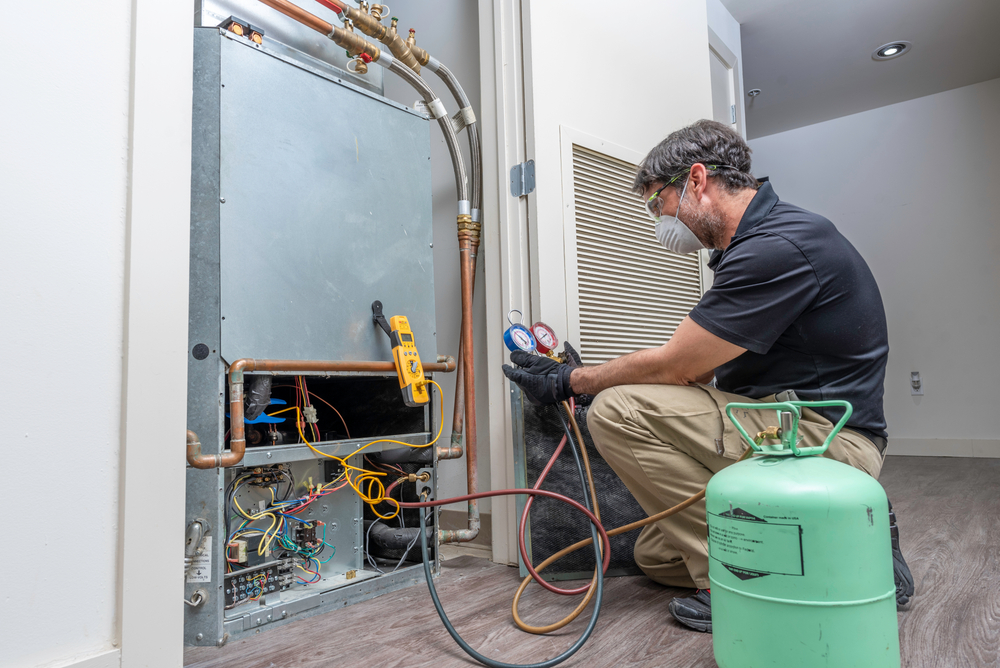
If you operate a restaurant, grocery store, or food service facility in Eugene, OR, or anywhere in the Portland area, you already know how much you depend on your commercial refrigeration system to keep products safe and customers happy. When something goes wrong, the cost of spoiled inventory and lost business adds up fast. One of the more frustrating and often misdiagnosed problems in a commercial refrigeration system is a faulty solenoid valve. Specifically, a liquid line solenoid valve that is stuck open or closed can cause a cascade of issues that are easy to confuse with other problems.
Knowing how to identify the symptoms early can save you significant time and money on commercial refrigeration repair.
What Does a Solenoid Valve Actually Do?
Before diving into solenoid valve troubleshooting, it helps to understand the role this component plays in your system. A solenoid valve is an electrically operated valve that controls the flow of refrigerant through your system. In most commercial refrigeration setups, the liquid line solenoid valve sits on the liquid line between the condenser and the evaporator. When the thermostat calls for cooling, the valve opens and allows refrigerant to flow to the evaporator coil. When the set temperature is reached, the valve closes and stops the flow of refrigerant.
This open-and-close cycle is essential for maintaining consistent temperatures in your walk-in cooler, reach-in cases, or refrigerated display units. The valve is controlled by an electrical coil that generates a magnetic field when energized. That magnetic field moves a plunger inside the valve body, which either opens or closes the refrigerant passage. When the coil fails, or when debris or wear causes the valve body to stick, the valve can get locked in one position. That is when your problems begin.
Signs That Your Liquid Line Solenoid Valve Is Stuck Open
A stuck-open liquid line solenoid valve means refrigerant continues flowing to the evaporator even when the system should be in an off cycle. This creates a set of very specific symptoms that point directly to this problem once you know what to look for.
The most obvious sign is that your refrigerated space gets too cold. If your walk-in cooler is freezing products that should simply be chilled, or if your display cases are running well below their set points, a stuck-open solenoid valve is a likely culprit. The continuous flow of refrigerant keeps the evaporator coil active past the point where the thermostat has signaled the system to stop cooling.
You may also notice that the compressor runs almost continuously without shutting off. Because refrigerant keeps flowing through the evaporator, the thermostat keeps detecting a need for the compressor to work. This leads to excessive wear on the compressor and dramatically higher energy bills. In commercial refrigeration, an overworked compressor is a serious concern, since compressor replacement is one of the most expensive repairs in the industry.
Another symptom is heavy frost or ice buildup on the evaporator coil. During normal operation, the defrost cycle clears ice from the coil. But when the solenoid valve is stuck open, refrigerant flooding the coil during defrost prevents proper defrost operation, and ice accumulates aggressively. If you notice your evaporator coil is consistently heavily iced over, especially shortly after a defrost cycle, this is a strong indicator that your solenoid valve is not closing when it should.
Signs That Your Liquid Line Solenoid Valve Is Stuck Closed
A valve stuck in the closed position presents the opposite set of problems. When refrigerant cannot flow to the evaporator, the system loses its ability to absorb heat and cool the space. Walk-in cooler temperature fluctuations are one of the first things you will notice. The cooler may seem to cycle normally at first but then gradually warm up because the refrigerant supply has been cut off.
If the valve is completely stuck closed, the refrigerated space will simply stop getting cold altogether. The compressor may still run, but because no refrigerant is reaching the evaporator, there is no heat transfer happening. The suction pressure on the low side of the system will drop significantly lower than normal, sometimes reaching a vacuum. This is a key diagnostic indicator during solenoid valve troubleshooting that a technician will check with gauge manifolds.
You may also notice that the liquid line and the area around the solenoid valve body feels warmer than usual when the system is in a cooling cycle. Normally, the liquid line runs cool to the touch during operation. When the valve is blocked closed, refrigerant backs up on the high side and that heat has nowhere to go. In some cases, you might even see a frost line forming just upstream of the valve while everything downstream remains warm, which points directly to a restriction at the valve location.
Product temperatures rising in your walk-in cooler or display cases are an immediate food safety concern, particularly for businesses in the Portland area and Eugene, OR, where health inspections are thorough and food safety standards are strictly enforced. Do not wait on commercial refrigeration repair if you suspect this issue.
How Technicians Confirm a Faulty Solenoid Valve
Experienced commercial refrigeration technicians use several methods to confirm whether a solenoid valve is stuck open or closed. The first step is usually an electrical check of the coil. Using a multimeter, a technician will measure the resistance of the coil. A shorted or open coil reading confirms the electrical side has failed, which is often what causes the valve to stick. Coils can be replaced independently of the valve body in many cases, which keeps repair costs lower.
If the coil checks out electrically, the technician will move to pressure and temperature analysis. By observing suction and discharge pressures alongside temperature readings at the valve inlet and outlet, a skilled technician can determine whether refrigerant is flowing as it should. Thermal imaging tools can also help by making temperature differentials across the valve body visible without requiring system disassembly.
In some cases, the valve body itself is the problem. Debris from the system, such as compressor oil breakdown byproducts or metal particles, can lodge in the valve seat and prevent full opening or closing. This type of mechanical failure requires valve body replacement, which involves recovering the refrigerant, cutting out the old valve, and brazing in a new one. For businesses relying on commercial refrigeration in high-demand environments, this repair should be handled by a licensed technician to ensure proper refrigerant handling and system integrity.
When to Call a Commercial Refrigeration Repair Professional
Solenoid valve troubleshooting involves working with pressurized refrigerant, live electrical components, and precision instruments. While identifying symptoms is something any attentive business owner can do, the actual diagnosis and repair should always be performed by a certified technician. Attempting to bypass or force-operate a solenoid valve without proper training can cause refrigerant leaks, compressor damage, or personal injury.
If you are in Eugene, OR, or the greater Portland region and you are noticing walk-in cooler temperature fluctuations, unexplained compressor cycling, heavy coil icing, or a complete loss of cooling, it is time to call a qualified commercial refrigeration repair specialist. The sooner the problem is diagnosed, the less chance there is of losing inventory or causing secondary damage to other system components.
Conclusion
A stuck solenoid valve is a fixable problem, but it causes real damage the longer it goes unaddressed. Recognizing the symptoms of a liquid line solenoid valve stuck open or closed puts you ahead of most business owners when it comes to protecting your commercial refrigeration investment. Whether you are running a busy kitchen in Portland or managing cold storage in Eugene, OR, early intervention and professional commercial refrigeration repair will always be your most cost-effective option.
Need Commercial Refrigeration, Heating and Cooling in Eugene, OR?
Call American Refrigeration for all your commercial heating, ventilation & cooling needs! Founded in 1995, American Refrigeration has been proudly serving the Eugene & Portland areas with honesty & integrity for over 19 years. We specialize in commercial HVAC, air conditioning & heating repair, including medical laboratories and winery chillers. Emergency Repair is available 24/7 and we honor manufacturer rebates & warranties. Contact us today!