
Why Is Your Walk-In Cooler Leaking Water on the Floor and Is It a Safety Hazard?
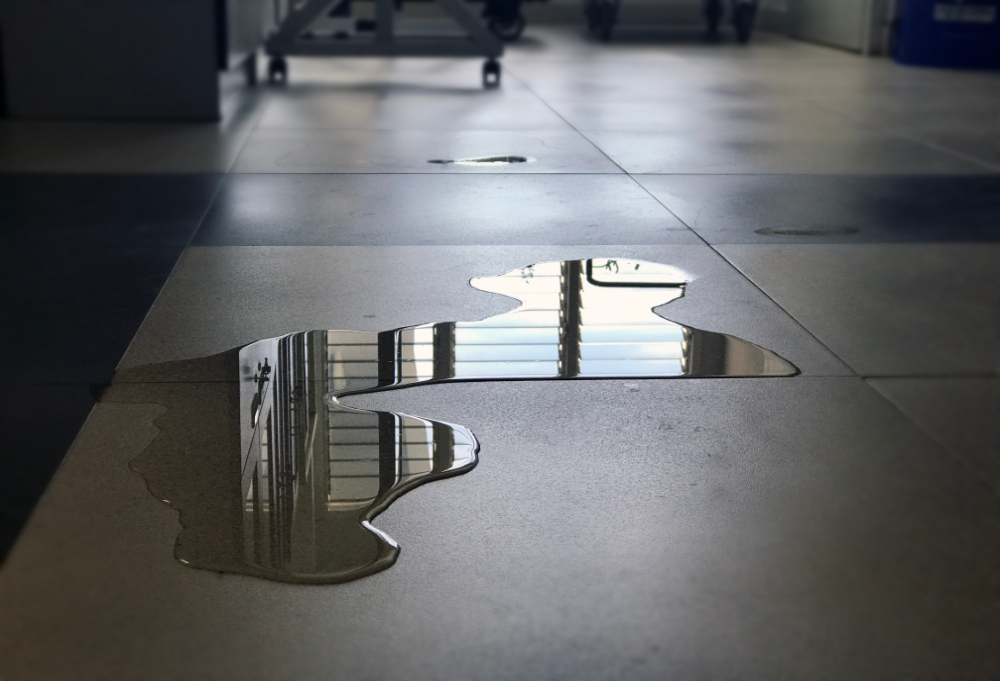
If you run a restaurant, grocery store, or any food service operation in Eugene, you have probably dealt with the unpleasant surprise of finding a puddle on your walk-in cooler floor. It looks minor at first. Maybe someone tosses a rag over it and moves on. But that water is rarely just an inconvenience. It is a symptom of something going wrong inside your commercial refrigeration system, and ignoring it can lead to costly repairs, health code violations, and genuine safety risks for your staff.
Understanding why walk-in coolers leak water on the floor is the first step toward protecting your business. Let us walk through the most common causes, the hazards involved, and what you should do about it.
1. A Clogged Evaporator Drain Pan Is the Most Common Culprit
The evaporator coil inside your walk-in cooler is responsible for absorbing heat from the air. As warm air passes over the cold coil, moisture condenses and drips into a drain pan located beneath the evaporator unit. From there, the water is supposed to flow out through a drain line that exits the cooler.
The problem is that this drain pan and the connected drain line are prone to clogging. Dust, mold, algae, food particles, and debris can accumulate over time, blocking the flow of water. When the drain line gets blocked, the pan fills up and eventually overflows onto your cooler floor.
A clogged evaporator drain pan is one of the most frequent calls commercial HVAC/R technicians respond to in food service environments. It is a fixable problem, but it does not fix itself. Walk-in cooler drain line repair typically involves flushing or clearing the line, cleaning the pan, and in some cases applying a biocide treatment to prevent regrowth of mold or algae that caused the blockage in the first place.
If your cooler uses a heated drain line (common in freezers), a failed drain line heater can also cause ice to block the line and produce the same overflow effect.
2. Walk-In Freezer Floor Icing Points to a Defrost System Problem
If you are dealing with a walk-in freezer rather than a cooler, and you are seeing ice buildup on the floor rather than pooling water, the issue may be tied to your defrost system. Walk-in freezers go through regular defrost cycles to melt frost that accumulates on the evaporator coils. When this cycle works correctly, the melted water drains away cleanly. When it does not, things go wrong fast.
A malfunctioning defrost timer, a failed defrost heater, or a faulty defrost termination thermostat can all cause ice to build up on or around the coils. That ice eventually melts in an uncontrolled way, and the water ends up somewhere it is not supposed to be, often the floor. Walk-in freezer floor icing is also a sign that your system is working harder than it should, which drives up your energy costs and shortens the life of your equipment.
In Eugene, where commercial kitchens and food storage facilities depend on reliable refrigeration year-round, a defrost system failure is not something to delay addressing. A qualified commercial HVAC/R technician can test each component of the defrost circuit, identify what has failed, and restore proper operation before the problem escalates.
3. Commercial Refrigeration Leak Troubleshooting: Other Sources You Might Miss
Not every puddle in a walk-in cooler comes from the evaporator drain. Commercial refrigeration leak troubleshooting sometimes uncovers other sources that are easy to overlook without a trained eye.
Condensation on door gaskets is one example. If the door seal on your walk-in cooler is worn, cracked, or not seating properly, warm humid air from the kitchen infiltrates the cooler space continuously. That moisture condenses on cold surfaces inside and eventually collects on the floor. A failing door gasket also forces your refrigeration system to work overtime to maintain temperature, which raises your utility costs and accelerates wear on the compressor and other components.
Refrigerant leaks are another possibility worth considering, though they present differently. A low refrigerant charge causes the evaporator coil to run colder than it should, which can result in excessive frost buildup and abnormal condensation patterns. If you notice your cooler is not holding temperature well and there is unusual moisture accumulation, commercial refrigeration leak troubleshooting should include checking refrigerant levels and inspecting the system for leaks.
Overhead condensate, pipe sweating, and rooftop unit drainage issues can also contribute to water on the floor, depending on how your system is configured and where components are located.
4. Is the Water on Your Walk-In Cooler Floor Actually a Safety Hazard?
The short answer is yes. Water on the floor of a walk-in cooler or freezer is a legitimate safety hazard for several reasons.
The most immediate concern is slip and fall risk. Walk-in coolers are high-traffic areas in most commercial kitchens. Staff carry heavy loads in and out regularly, often in a hurry. A wet floor in a cooler, particularly one that has partially refrozen into a thin ice layer, dramatically increases the risk of a serious fall. Workers’ compensation claims and liability exposure from slip-and-fall incidents are very real consequences for business owners who let these conditions persist.
Beyond physical injury, standing water in a food storage environment creates sanitation problems. Water pooling near food storage areas can harbor bacteria and mold, which can contaminate food products and put you in violation of health department standards. An inspector who finds water on your cooler floor during a routine visit will not look the other way, especially if the source appears to be a maintenance issue that was not addressed.
There is also equipment risk to consider. Persistent moisture near electrical components, wiring, and motor housings inside your cooler increases the risk of electrical faults and accelerated corrosion. Over time, what starts as a simple drain clog can contribute to much more expensive equipment failures if the moisture is allowed to continue unchecked.
5. What You Should Do When You Find Water in Your Walk-In Cooler
The first step is not to ignore it, even if the puddle is small. Dry the floor immediately to reduce slip risk, and document what you are seeing, including where the water is coming from, how much there is, and how frequently it appears.
Next, do a quick visual inspection. Check the drain pan beneath the evaporator unit if you can safely access it. Look at the door gaskets for visible gaps or cracks. Note whether the water appears to be coming from above, from around the evaporator, or from the floor drain area backing up.
Then call a qualified commercial HVAC/R technician. Walk-in cooler drain line repair, defrost system diagnostics, and refrigeration leak troubleshooting are not DIY projects, particularly in a commercial setting where food safety and code compliance are at stake. A trained technician can trace the source of the leak accurately, perform the necessary repairs, and verify that your system is draining and operating correctly before leaving the job.
For businesses in Eugene and the surrounding area, working with a local commercial refrigeration service provider means faster response times and technicians who are familiar with the kinds of systems common in the Pacific Northwest’s food service industry.
Conclusion
Water on the floor of your walk-in cooler is not a minor nuisance. It is a warning sign that something in your commercial refrigeration system needs attention. Whether the cause is a clogged evaporator drain pan, a defrost system failure, a worn door gasket, or something else entirely, the solution starts with proper diagnosis and professional repair. Do not wait until a small leak becomes a health code violation, a worker injury, or a full system failure. Address it now and keep your operation running safely and efficiently.
Need Commercial Refrigeration, Heating and Cooling in Eugene, OR?
Call American Refrigeration for all your commercial heating, ventilation & cooling needs! Founded in 1995, American Refrigeration has been proudly serving the Eugene & Portland areas with honesty & integrity for over 19 years. We specialize in commercial HVAC, air conditioning & heating repair, including medical laboratories and winery chillers. Emergency Repair is available 24/7 and we honor manufacturer rebates & warranties. Contact us today!