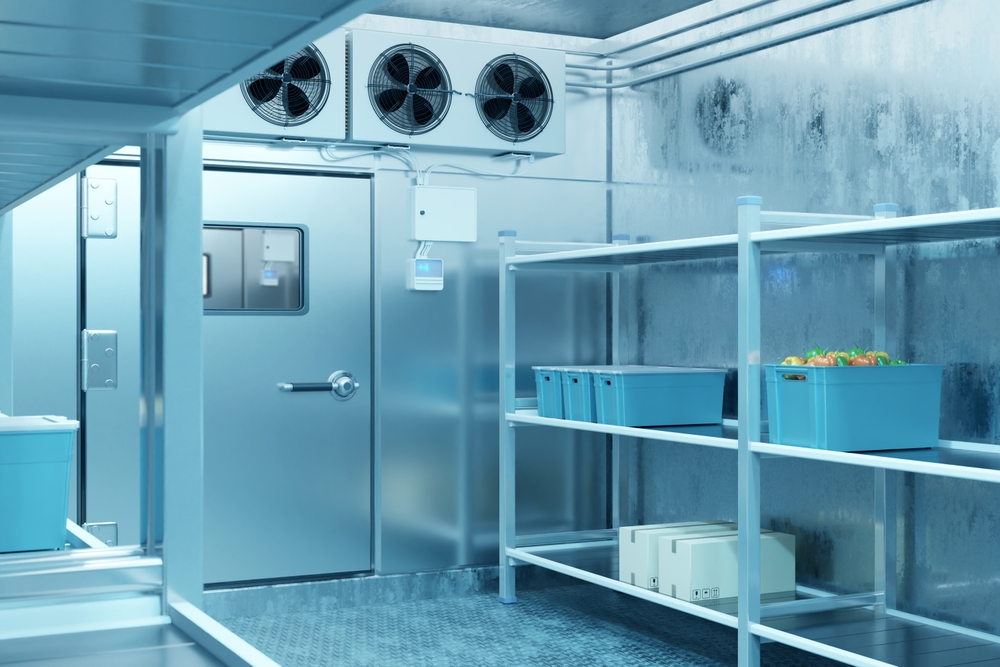
Your walk-in cooler is one of the most critical pieces of equipment on your property. Everything depends on it running consistently and reliably. But like any mechanical system, it is made up of individual components that can wear out over time, and few failures are as disruptive as a condenser fan motor failure.
Understanding what happens inside your system when this motor gives out can help you act fast, protect your inventory, and avoid the kind of damage that turns a simple repair into a full system replacement.
The Role of the Condenser Fan Motor in Your Refrigeration System
To understand why condenser fan motor failure symptoms matter, you first need to understand what this motor actually does. The condenser fan motor drives the fan blades that pull or push air across the condenser coil. That coil is responsible for releasing the heat that has been absorbed from inside your cooler. When refrigerant travels through the system, it picks up heat from the interior space and carries it to the condenser, where that heat needs to be expelled into the surrounding air.
Without the fan motor running, airflow across the condenser coil stops. The refrigerant cannot efficiently shed its heat load, and the pressure inside the system begins to climb. This is where the cascade of problems begins, and it happens faster than most operators expect. In a busy commercial kitchen or a warm equipment room, a non-functioning condenser fan can cause noticeable performance issues within an hour or two of failure.
High Head Pressure: The First Sign Something Is Wrong
One of the earliest and most telling consequences of a failed condenser fan motor is commercial refrigeration high head pressure. Head pressure refers to the pressure on the high side of your refrigeration system, specifically between the compressor discharge and the expansion device. Under normal operating conditions, this pressure stays within a defined range based on your refrigerant type and ambient temperature. When the condenser fan stops moving air, that pressure begins to rise well beyond acceptable limits.
High head pressure forces the compressor to work significantly harder to push refrigerant through the system. This extra strain does two things: it drives up energy consumption, and it accelerates wear on the compressor itself. You may notice your system cycling more frequently, struggling to reach set temperatures, or tripping safety controls. In some cases, a high-pressure cutout switch will shut the system down entirely to prevent damage. While that shutdown is a protective measure, it also means your cooler is no longer maintaining temperature, and every minute counts when perishable inventory is involved.
Facilities managers in Oregon dealing with warm summers know how quickly ambient temperatures can push an already-stressed system over the edge. Whether you are looking at commercial HVAC service in Eugene or emergency refrigeration repair in Portland, the same rule applies: high head pressure is a warning sign that demands immediate attention.
Walk-In Cooler Compressor Overheating and Long-Term Damage
If the condenser fan motor failure goes unaddressed, the next stage of damage targets the compressor directly. Walk-in cooler compressor overheating is one of the most expensive outcomes of deferred maintenance, and it almost always traces back to a heat rejection problem. When the condenser cannot release heat properly, that heat has nowhere to go. The compressor, which is already generating heat through the compression process, ends up operating at temperatures far beyond its design limits.
Compressors are built with thermal overload protections, but these are meant to handle momentary spikes, not sustained high-temperature operation. Over time, the compressor oil breaks down under excessive heat, losing its ability to lubricate internal components. Bearings wear faster, valves weaken, and the motor windings inside the compressor can eventually burn out. At that point, you are no longer looking at a fan motor replacement. You are looking at a compressor replacement, which can cost several times more and require a much longer service window.
This progression from a minor motor failure to a major compressor replacement is entirely preventable. But it requires recognizing the early symptoms and calling in a qualified technician before the damage compounds.
How Quickly Can Inventory Be at Risk?
The practical consequences of a condenser fan motor failure extend beyond the mechanical. Your products, ingredients, dairy items, meats, and prepared foods all depend on consistent cold storage. Once your system can no longer maintain proper temperatures, you enter a window where food safety becomes the primary concern.
The FDA recommends keeping refrigerated foods at or below 41 degrees Fahrenheit. When a commercial cooler starts losing its ability to hold that temperature, the clock starts ticking. Depending on the ambient temperature, the thermal mass of your product load, and how long the unit has been running compromised, you could have anywhere from a few hours to less than one hour before temperatures climb into the danger zone.
For a restaurant running a full dinner service, or a grocery store on a busy weekend, that timeline creates serious pressure. This is why emergency refrigeration repair in Portland and similar rapid-response services exist. When a cooler goes down during peak business hours, waiting until the next scheduled service appointment is simply not an option. Having a service provider you can call around the clock is not a luxury; it is a business necessity.
The Case for Preventative Maintenance Plans
Everything discussed above, the fan motor failure, the climbing head pressure, the compressor overheating, the threatened inventory, can be significantly reduced in likelihood through a structured preventative maintenance plan. This is not just industry advice; it is the experience of every commercial kitchen operator who has learned the hard way what deferred maintenance costs.
A preventative maintenance plan for commercial refrigeration typically includes scheduled inspections of fan motors and blades, cleaning of condenser coils to ensure optimal airflow, checking refrigerant charge levels, testing electrical connections and capacitors, and verifying that safety controls are functioning correctly. When a technician inspects your condenser fan motor on a regular basis, they can identify signs of bearing wear, electrical resistance changes, or capacitor degradation before those issues cause a failure.
For businesses in Oregon, working with a provider that offers commercial HVAC service in Eugene or covers the greater Portland metro area means you have access to technicians who understand the regional climate demands on your equipment. Seasonal temperature swings affect how hard your condenser system works, and a maintenance plan that accounts for those patterns keeps your equipment better protected year-round.
Preventative maintenance plans also give you documentation. When equipment issues do arise, having a service history helps technicians diagnose problems faster and helps you make informed decisions about repair versus replacement. It also supports warranty claims in some cases and can be valuable if you are ever audited for food safety compliance.
Conclusion
A failed condenser fan motor is not a minor inconvenience. It is the starting point of a chain reaction that can compromise your compressor, endanger your inventory, and disrupt your business at the worst possible moment. Condenser fan motor failure symptoms like unusual cycling, rising temperatures, or tripped pressure controls should never be ignored. Acting quickly, whether that means calling for emergency refrigeration repair in Portland or scheduling commercial HVAC service in Eugene, protects both your equipment and your bottom line. The most cost-effective step you can take is enrolling in a preventative maintenance plan before a crisis forces your hand.
Need Commercial Refrigeration, Heating and Cooling in Eugene, OR?
Call American Refrigeration for all your commercial heating, ventilation & cooling needs! Founded in 1995, American Refrigeration has been proudly serving the Eugene & Portland areas with honesty & integrity for over 19 years. We specialize in commercial HVAC, air conditioning & heating repair, including medical laboratories and winery chillers. Emergency Repair is available 24/7 and we honor manufacturer rebates & warranties. Contact us today!
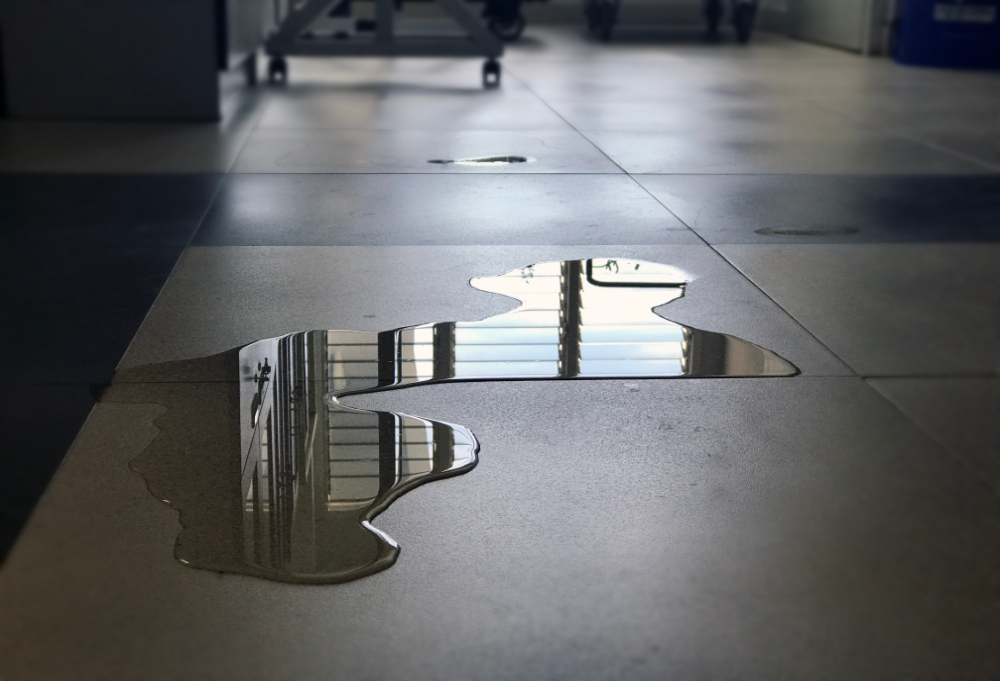
If you run a restaurant, grocery store, or any food service operation in Eugene, you have probably dealt with the unpleasant surprise of finding a puddle on your walk-in cooler floor. It looks minor at first. Maybe someone tosses a rag over it and moves on. But that water is rarely just an inconvenience. It is a symptom of something going wrong inside your commercial refrigeration system, and ignoring it can lead to costly repairs, health code violations, and genuine safety risks for your staff.
Understanding why walk-in coolers leak water on the floor is the first step toward protecting your business. Let us walk through the most common causes, the hazards involved, and what you should do about it.
1. A Clogged Evaporator Drain Pan Is the Most Common Culprit
The evaporator coil inside your walk-in cooler is responsible for absorbing heat from the air. As warm air passes over the cold coil, moisture condenses and drips into a drain pan located beneath the evaporator unit. From there, the water is supposed to flow out through a drain line that exits the cooler.
The problem is that this drain pan and the connected drain line are prone to clogging. Dust, mold, algae, food particles, and debris can accumulate over time, blocking the flow of water. When the drain line gets blocked, the pan fills up and eventually overflows onto your cooler floor.
A clogged evaporator drain pan is one of the most frequent calls commercial HVAC/R technicians respond to in food service environments. It is a fixable problem, but it does not fix itself. Walk-in cooler drain line repair typically involves flushing or clearing the line, cleaning the pan, and in some cases applying a biocide treatment to prevent regrowth of mold or algae that caused the blockage in the first place.
If your cooler uses a heated drain line (common in freezers), a failed drain line heater can also cause ice to block the line and produce the same overflow effect.
2. Walk-In Freezer Floor Icing Points to a Defrost System Problem
If you are dealing with a walk-in freezer rather than a cooler, and you are seeing ice buildup on the floor rather than pooling water, the issue may be tied to your defrost system. Walk-in freezers go through regular defrost cycles to melt frost that accumulates on the evaporator coils. When this cycle works correctly, the melted water drains away cleanly. When it does not, things go wrong fast.
A malfunctioning defrost timer, a failed defrost heater, or a faulty defrost termination thermostat can all cause ice to build up on or around the coils. That ice eventually melts in an uncontrolled way, and the water ends up somewhere it is not supposed to be, often the floor. Walk-in freezer floor icing is also a sign that your system is working harder than it should, which drives up your energy costs and shortens the life of your equipment.
In Eugene, where commercial kitchens and food storage facilities depend on reliable refrigeration year-round, a defrost system failure is not something to delay addressing. A qualified commercial HVAC/R technician can test each component of the defrost circuit, identify what has failed, and restore proper operation before the problem escalates.
3. Commercial Refrigeration Leak Troubleshooting: Other Sources You Might Miss
Not every puddle in a walk-in cooler comes from the evaporator drain. Commercial refrigeration leak troubleshooting sometimes uncovers other sources that are easy to overlook without a trained eye.
Condensation on door gaskets is one example. If the door seal on your walk-in cooler is worn, cracked, or not seating properly, warm humid air from the kitchen infiltrates the cooler space continuously. That moisture condenses on cold surfaces inside and eventually collects on the floor. A failing door gasket also forces your refrigeration system to work overtime to maintain temperature, which raises your utility costs and accelerates wear on the compressor and other components.
Refrigerant leaks are another possibility worth considering, though they present differently. A low refrigerant charge causes the evaporator coil to run colder than it should, which can result in excessive frost buildup and abnormal condensation patterns. If you notice your cooler is not holding temperature well and there is unusual moisture accumulation, commercial refrigeration leak troubleshooting should include checking refrigerant levels and inspecting the system for leaks.
Overhead condensate, pipe sweating, and rooftop unit drainage issues can also contribute to water on the floor, depending on how your system is configured and where components are located.
4. Is the Water on Your Walk-In Cooler Floor Actually a Safety Hazard?
The short answer is yes. Water on the floor of a walk-in cooler or freezer is a legitimate safety hazard for several reasons.
The most immediate concern is slip and fall risk. Walk-in coolers are high-traffic areas in most commercial kitchens. Staff carry heavy loads in and out regularly, often in a hurry. A wet floor in a cooler, particularly one that has partially refrozen into a thin ice layer, dramatically increases the risk of a serious fall. Workers’ compensation claims and liability exposure from slip-and-fall incidents are very real consequences for business owners who let these conditions persist.
Beyond physical injury, standing water in a food storage environment creates sanitation problems. Water pooling near food storage areas can harbor bacteria and mold, which can contaminate food products and put you in violation of health department standards. An inspector who finds water on your cooler floor during a routine visit will not look the other way, especially if the source appears to be a maintenance issue that was not addressed.
There is also equipment risk to consider. Persistent moisture near electrical components, wiring, and motor housings inside your cooler increases the risk of electrical faults and accelerated corrosion. Over time, what starts as a simple drain clog can contribute to much more expensive equipment failures if the moisture is allowed to continue unchecked.
5. What You Should Do When You Find Water in Your Walk-In Cooler
The first step is not to ignore it, even if the puddle is small. Dry the floor immediately to reduce slip risk, and document what you are seeing, including where the water is coming from, how much there is, and how frequently it appears.
Next, do a quick visual inspection. Check the drain pan beneath the evaporator unit if you can safely access it. Look at the door gaskets for visible gaps or cracks. Note whether the water appears to be coming from above, from around the evaporator, or from the floor drain area backing up.
Then call a qualified commercial HVAC/R technician. Walk-in cooler drain line repair, defrost system diagnostics, and refrigeration leak troubleshooting are not DIY projects, particularly in a commercial setting where food safety and code compliance are at stake. A trained technician can trace the source of the leak accurately, perform the necessary repairs, and verify that your system is draining and operating correctly before leaving the job.
For businesses in Eugene and the surrounding area, working with a local commercial refrigeration service provider means faster response times and technicians who are familiar with the kinds of systems common in the Pacific Northwest’s food service industry.
Conclusion
Water on the floor of your walk-in cooler is not a minor nuisance. It is a warning sign that something in your commercial refrigeration system needs attention. Whether the cause is a clogged evaporator drain pan, a defrost system failure, a worn door gasket, or something else entirely, the solution starts with proper diagnosis and professional repair. Do not wait until a small leak becomes a health code violation, a worker injury, or a full system failure. Address it now and keep your operation running safely and efficiently.
Need Commercial Refrigeration, Heating and Cooling in Eugene, OR?
Call American Refrigeration for all your commercial heating, ventilation & cooling needs! Founded in 1995, American Refrigeration has been proudly serving the Eugene & Portland areas with honesty & integrity for over 19 years. We specialize in commercial HVAC, air conditioning & heating repair, including medical laboratories and winery chillers. Emergency Repair is available 24/7 and we honor manufacturer rebates & warranties. Contact us today!
When To Call A Commercial Freezer Repair Technician
A commercial freezer is an essential part of any restaurant, liquor store, or convenience store. When it malfunctions, you can lose valuable inventory and customers. To keep your equipment working well, you need to schedule regular maintenance checks. When a technician visits your facility, they can spot problems before they occur.
Ice Buildup
When it comes to commercial freezers, ice and frost buildup can be a serious problem. This buildup is a sign that your defrost cycle isn’t working properly. In addition to affecting food safety, excess moisture can also damage the interior of the freezer. Fortunately, most of these issues can be addressed by a professional technician who can fix them before they become larger problems. The sooner a problem is recognized, the better.
Inconsistent Temperature
Your food retail business relies on the ability of your commercial freezer to maintain a consistent temperature. If your commercial freezer can’t hold a steady temperature, this could be an indication that it needs repair. It may also be a sign that it’s time to upgrade to a newer, more efficient model. Inconsistent temperatures can also be caused by damaged seals or gaskets. When these seals are worn or broken, they allow cold air to escape. This can lead to the thawing of your food and a spike in your energy costs. A professional repair technician can help you determine if this is an issue that needs to be addressed right away. If the problem isn’t addressed, it can cause food to spoil or become contaminated, causing health concerns for you and your customers.
Water Leaks
When you see puddles on the floor around your freezer, it is a good sign that your seals are wearing out. You also want to take a closer look at the doors. If you are able to open the door with your fingers, this is a sign that your motor is not working as well as it used to. While this is not a particularly costly repair, it can make your fridge less efficient and potentially unsafe for your employees or customers. You might want to consider a maintenance contract as it can save you money down the road. That being said, when your commercial freezer is in need of repair, you want to call a technician who can do the job right the first time. After all, a small issue that goes unrepaired could lead to a much bigger problem.
The operation of your commercial wine chiller is vital to your winery’s operations. Being able to reliably chill wine means being able to produce a product that’s ready for testing, packaging, serving or cellaring. If your chiller is on the fritz, you’re going to be left with a product that’s at risk of spoiling.
Don’t settle for room temperature wine that’s lacking in flavor or integrity! If your commercial chiller is on the fritz, call for commercial cooler repair in Eugene, OR and restore its function as quickly as possible. And, while you’re at it, it’s important to take stock of a few simple tips for proper maintenance, to help prevent any future breakdowns or inefficiencies:
- Make sure your chiller is properly ventilated. Improper ventilation is one of the chief causes of a unit’s breakdown and can have long-term ramifications to its efficiency. Depending on the type of chiller you have, it may have either front or rear venting. Determine where your venting is located and make sure it’s never blocked or obstructed in any way.
- Understand the effects of ambient temperature. If your chiller is located near anything hot or placed directly in an area of heavy sunlight, there’s a chance this ambient temperature could affect the performance of your unit. It’s smart to relocate and position your chiller away from other winery equipment and make sure direct sunlight is limited to a minimum.
- Know the capacity. Nothing will cause problems for your chiller like overexertion. If you exceed its capacity, the sensors within the chiller will register higher temperatures for longer, since there’s more chilling to be done. Over time, this causes excess stress on the unit, which leads to premature breakdown of parts and components. Stick to the capacity listed and make sure you’re not exceeding the efficiency standards of the unit.
- Clean your unit routinely. Cleaning your wine chiller will also serve to improve its efficiency and overall operation. If the chiller is kept clean and given the routine maintenance it needs, it won’t have to work as hard to accomplish its job of chilling your wine.
- Pay attention to filtration. Chillers have a filtration component that helps them to keep the air within clean and purified, which in turn promotes better performance. These filters need to be changed out and replaced in routine intervals, to ensure they’re not having the inverse effect and making it harder for the unit to do its job.
Of course, in addition to all of the above, you’re going to want to have an HVAC professional out on a regular basis to inspect your chiller and provide any commercial cooler repair in Eugene, OR that might be needed to keep it running smoothly.
Staying on top of your chiller’s function will ultimately help you avoid costly breakdowns or inefficient operation, which can end up costing you money and leading to spoilage or tainting of your wine. The best approach to maintaining your chiller is a proactive one.