
What Happens to Your Commercial Cooler When the Condenser Fan Motor Fails?
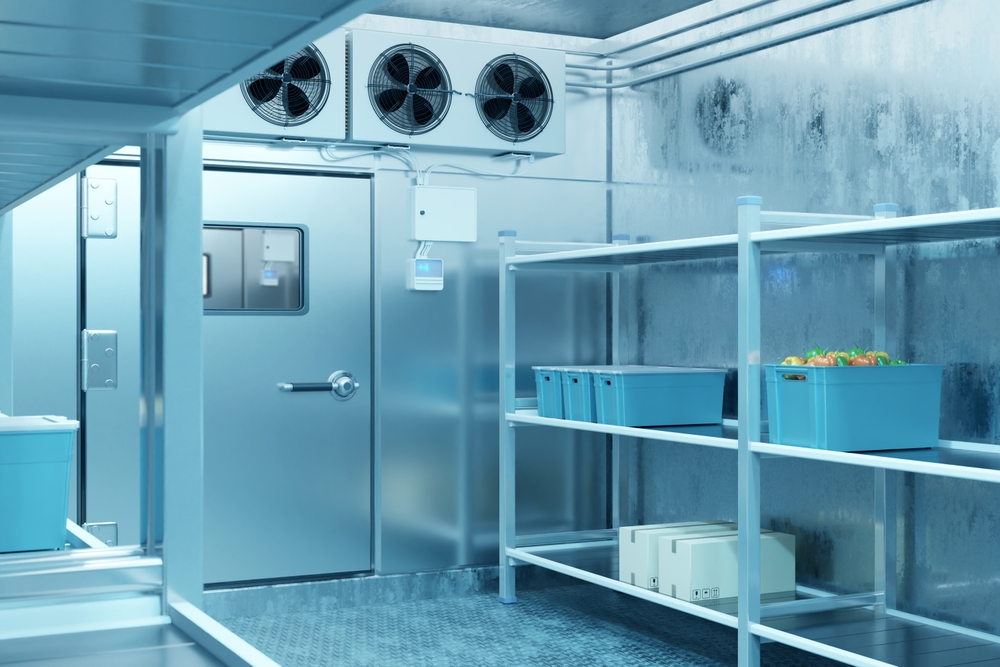
Your walk-in cooler is one of the most critical pieces of equipment on your property. Everything depends on it running consistently and reliably. But like any mechanical system, it is made up of individual components that can wear out over time, and few failures are as disruptive as a condenser fan motor failure.
Understanding what happens inside your system when this motor gives out can help you act fast, protect your inventory, and avoid the kind of damage that turns a simple repair into a full system replacement.
The Role of the Condenser Fan Motor in Your Refrigeration System
To understand why condenser fan motor failure symptoms matter, you first need to understand what this motor actually does. The condenser fan motor drives the fan blades that pull or push air across the condenser coil. That coil is responsible for releasing the heat that has been absorbed from inside your cooler. When refrigerant travels through the system, it picks up heat from the interior space and carries it to the condenser, where that heat needs to be expelled into the surrounding air.
Without the fan motor running, airflow across the condenser coil stops. The refrigerant cannot efficiently shed its heat load, and the pressure inside the system begins to climb. This is where the cascade of problems begins, and it happens faster than most operators expect. In a busy commercial kitchen or a warm equipment room, a non-functioning condenser fan can cause noticeable performance issues within an hour or two of failure.
High Head Pressure: The First Sign Something Is Wrong
One of the earliest and most telling consequences of a failed condenser fan motor is commercial refrigeration high head pressure. Head pressure refers to the pressure on the high side of your refrigeration system, specifically between the compressor discharge and the expansion device. Under normal operating conditions, this pressure stays within a defined range based on your refrigerant type and ambient temperature. When the condenser fan stops moving air, that pressure begins to rise well beyond acceptable limits.
High head pressure forces the compressor to work significantly harder to push refrigerant through the system. This extra strain does two things: it drives up energy consumption, and it accelerates wear on the compressor itself. You may notice your system cycling more frequently, struggling to reach set temperatures, or tripping safety controls. In some cases, a high-pressure cutout switch will shut the system down entirely to prevent damage. While that shutdown is a protective measure, it also means your cooler is no longer maintaining temperature, and every minute counts when perishable inventory is involved.
Facilities managers in Oregon dealing with warm summers know how quickly ambient temperatures can push an already-stressed system over the edge. Whether you are looking at commercial HVAC service in Eugene or emergency refrigeration repair in Portland, the same rule applies: high head pressure is a warning sign that demands immediate attention.
Walk-In Cooler Compressor Overheating and Long-Term Damage
If the condenser fan motor failure goes unaddressed, the next stage of damage targets the compressor directly. Walk-in cooler compressor overheating is one of the most expensive outcomes of deferred maintenance, and it almost always traces back to a heat rejection problem. When the condenser cannot release heat properly, that heat has nowhere to go. The compressor, which is already generating heat through the compression process, ends up operating at temperatures far beyond its design limits.
Compressors are built with thermal overload protections, but these are meant to handle momentary spikes, not sustained high-temperature operation. Over time, the compressor oil breaks down under excessive heat, losing its ability to lubricate internal components. Bearings wear faster, valves weaken, and the motor windings inside the compressor can eventually burn out. At that point, you are no longer looking at a fan motor replacement. You are looking at a compressor replacement, which can cost several times more and require a much longer service window.
This progression from a minor motor failure to a major compressor replacement is entirely preventable. But it requires recognizing the early symptoms and calling in a qualified technician before the damage compounds.
How Quickly Can Inventory Be at Risk?
The practical consequences of a condenser fan motor failure extend beyond the mechanical. Your products, ingredients, dairy items, meats, and prepared foods all depend on consistent cold storage. Once your system can no longer maintain proper temperatures, you enter a window where food safety becomes the primary concern.
The FDA recommends keeping refrigerated foods at or below 41 degrees Fahrenheit. When a commercial cooler starts losing its ability to hold that temperature, the clock starts ticking. Depending on the ambient temperature, the thermal mass of your product load, and how long the unit has been running compromised, you could have anywhere from a few hours to less than one hour before temperatures climb into the danger zone.
For a restaurant running a full dinner service, or a grocery store on a busy weekend, that timeline creates serious pressure. This is why emergency refrigeration repair in Portland and similar rapid-response services exist. When a cooler goes down during peak business hours, waiting until the next scheduled service appointment is simply not an option. Having a service provider you can call around the clock is not a luxury; it is a business necessity.
The Case for Preventative Maintenance Plans
Everything discussed above, the fan motor failure, the climbing head pressure, the compressor overheating, the threatened inventory, can be significantly reduced in likelihood through a structured preventative maintenance plan. This is not just industry advice; it is the experience of every commercial kitchen operator who has learned the hard way what deferred maintenance costs.
A preventative maintenance plan for commercial refrigeration typically includes scheduled inspections of fan motors and blades, cleaning of condenser coils to ensure optimal airflow, checking refrigerant charge levels, testing electrical connections and capacitors, and verifying that safety controls are functioning correctly. When a technician inspects your condenser fan motor on a regular basis, they can identify signs of bearing wear, electrical resistance changes, or capacitor degradation before those issues cause a failure.
For businesses in Oregon, working with a provider that offers commercial HVAC service in Eugene or covers the greater Portland metro area means you have access to technicians who understand the regional climate demands on your equipment. Seasonal temperature swings affect how hard your condenser system works, and a maintenance plan that accounts for those patterns keeps your equipment better protected year-round.
Preventative maintenance plans also give you documentation. When equipment issues do arise, having a service history helps technicians diagnose problems faster and helps you make informed decisions about repair versus replacement. It also supports warranty claims in some cases and can be valuable if you are ever audited for food safety compliance.
Conclusion
A failed condenser fan motor is not a minor inconvenience. It is the starting point of a chain reaction that can compromise your compressor, endanger your inventory, and disrupt your business at the worst possible moment. Condenser fan motor failure symptoms like unusual cycling, rising temperatures, or tripped pressure controls should never be ignored. Acting quickly, whether that means calling for emergency refrigeration repair in Portland or scheduling commercial HVAC service in Eugene, protects both your equipment and your bottom line. The most cost-effective step you can take is enrolling in a preventative maintenance plan before a crisis forces your hand.
Need Commercial Refrigeration, Heating and Cooling in Eugene, OR?
Call American Refrigeration for all your commercial heating, ventilation & cooling needs! Founded in 1995, American Refrigeration has been proudly serving the Eugene & Portland areas with honesty & integrity for over 19 years. We specialize in commercial HVAC, air conditioning & heating repair, including medical laboratories and winery chillers. Emergency Repair is available 24/7 and we honor manufacturer rebates & warranties. Contact us today!