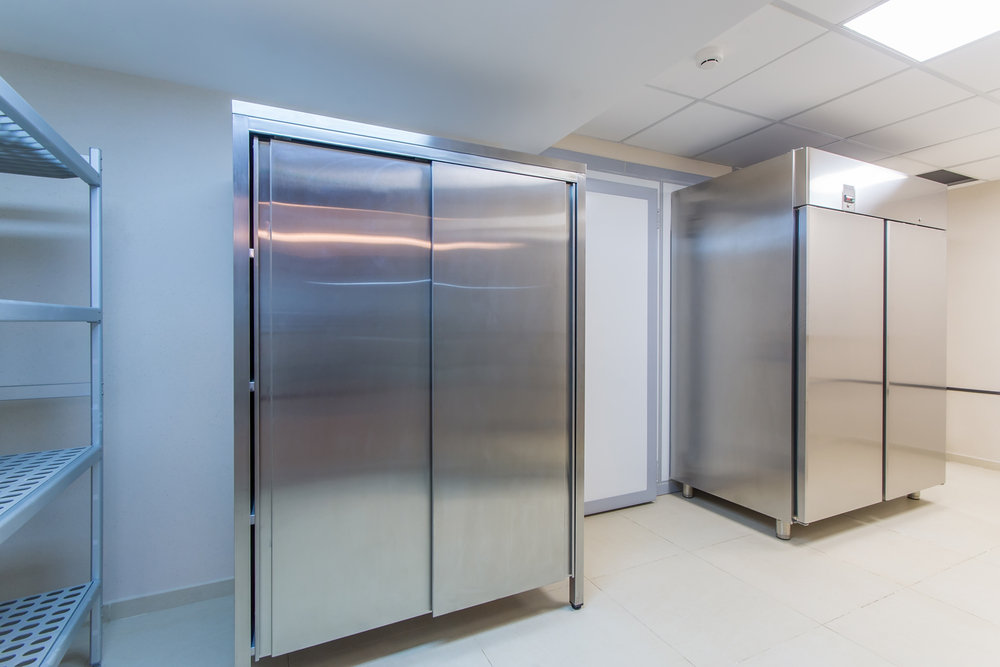
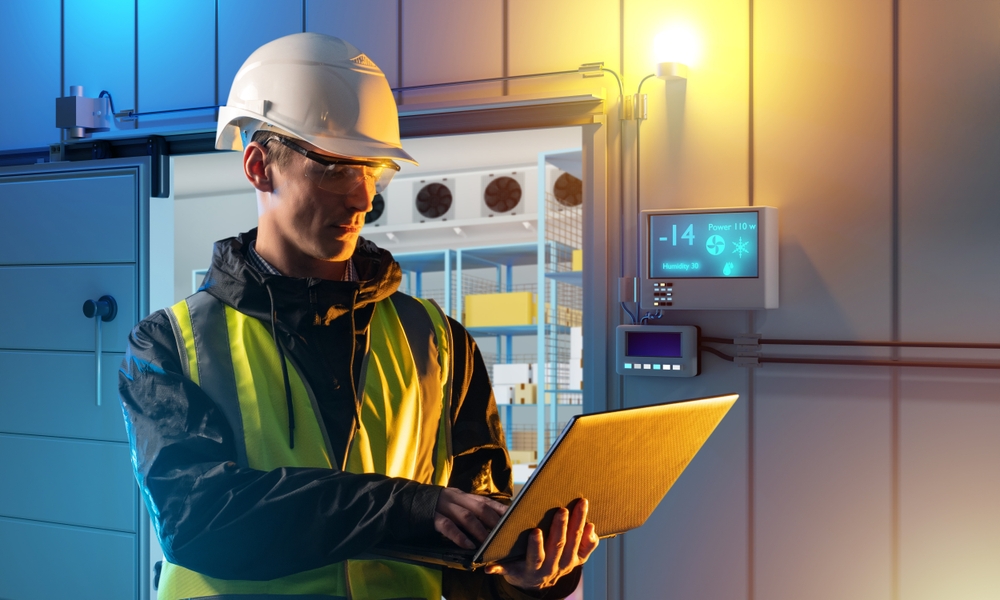
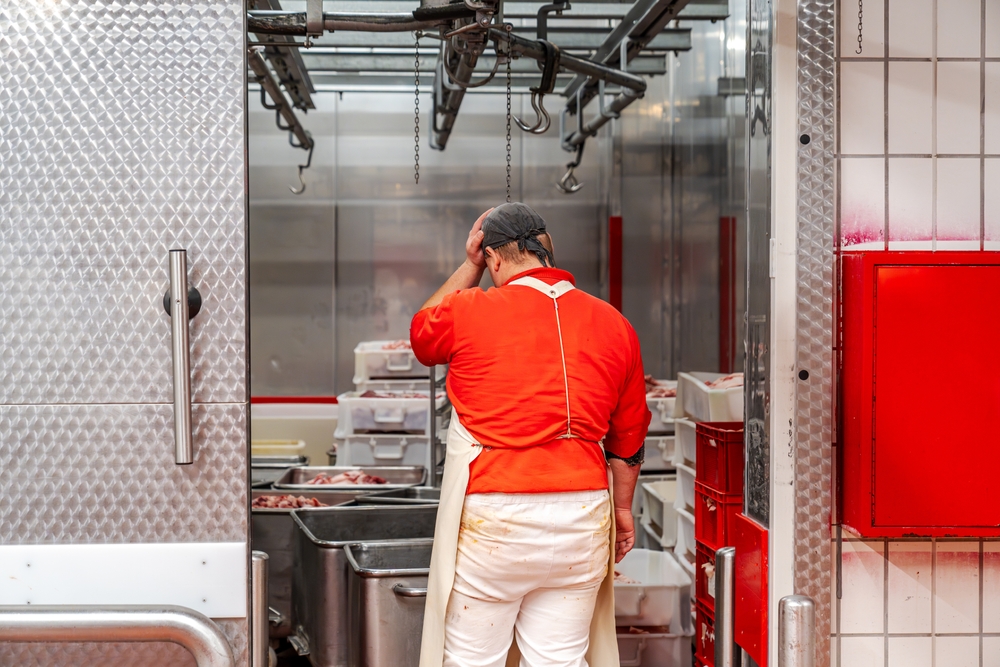
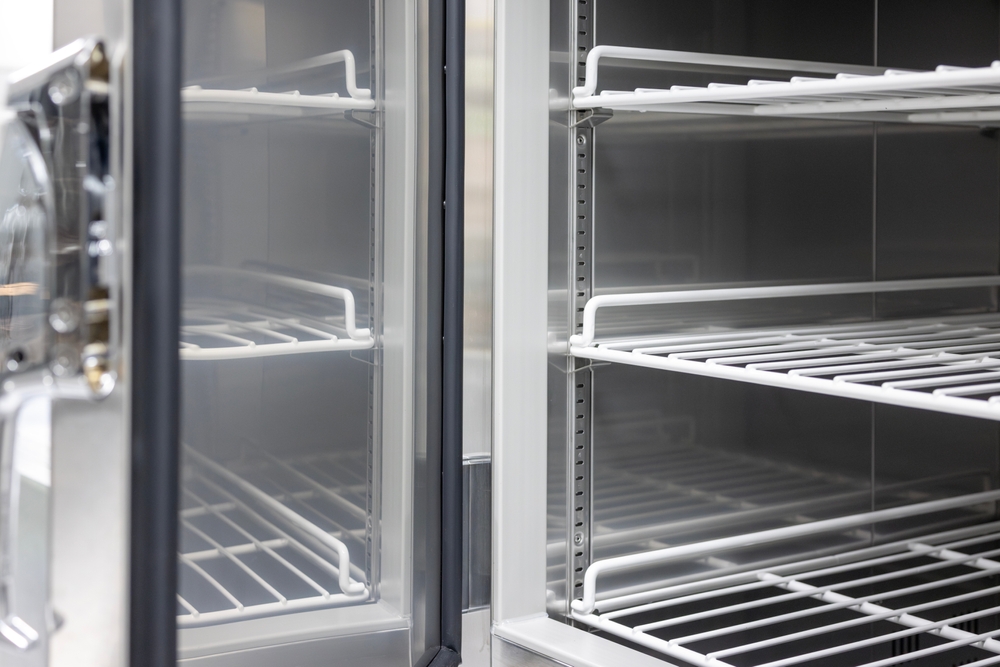
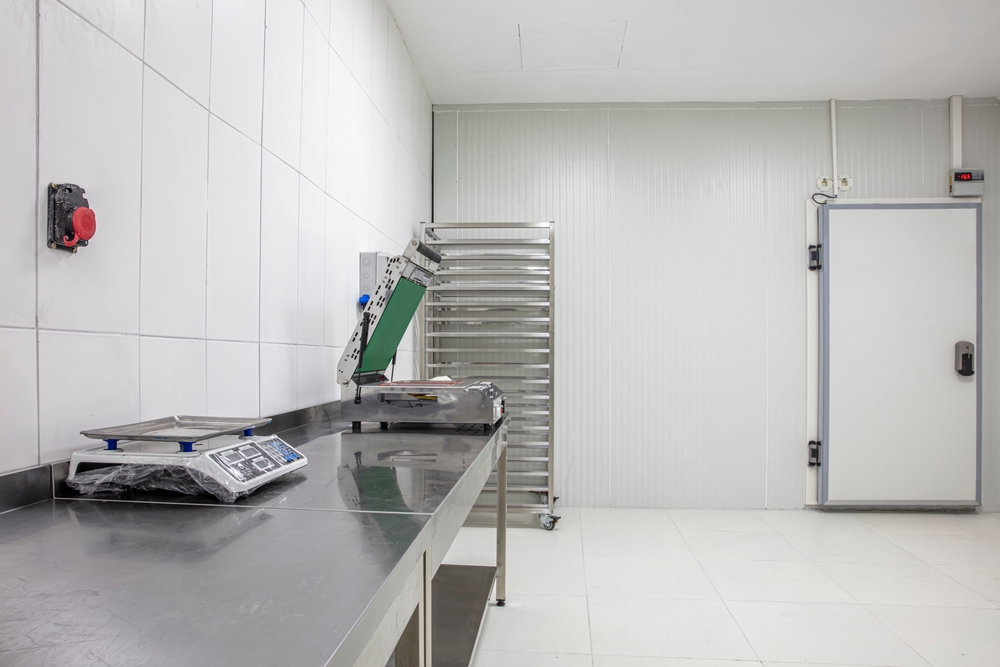
Maintaining commercial refrigeration units is a critical task, particularly during the summer months when demand for cooling is at its highest. Whether you’re running a restaurant, a supermarket, or any other business that relies on commercial refrigeration, ensuring your units are in optimal condition can save you money, prevent costly repairs, and maintain the quality of the products you store. In this blog, we’ll explore the best practices for keeping your refrigeration units clean and functioning efficiently throughout the summer, when heating and cooling in Eugene, OR, or elsewhere, are at their most challenging.
Importance of Regular Maintenance
Commercial refrigeration units are essential for keeping perishable goods fresh, ensuring food safety, and maintaining inventory integrity. When temperatures rise during the summer months, these systems work harder to keep up with the increased demand for cooling. Without proper maintenance, the performance of the refrigeration units can suffer, leading to issues such as inconsistent temperatures, higher energy consumption, and even complete system failures. By dedicating time and effort to maintaining these units, you can prevent these problems and ensure that your business continues running smoothly, even in the heat of summer.
Regular maintenance can also extend the lifespan of your refrigeration equipment. This is especially important considering the high initial costs associated with purchasing commercial refrigeration units. Neglecting routine care can lead to premature breakdowns, forcing you to spend more money on repairs or replacements. By performing regular maintenance, you can avoid these expensive interruptions and reduce the frequency of repairs.
Cleaning the Exterior and Interior Components
One of the most fundamental aspects of maintaining commercial refrigeration units is ensuring they are clean, both on the inside and outside. The exterior surfaces of your units often accumulate dust, grime, and grease, which can affect the performance of the system. Similarly, the interior components—especially the condenser coils and evaporator coils—can become clogged with dirt, debris, and even food particles. This buildup hinders the airflow and heat exchange process, making the unit work harder than necessary to maintain the desired temperature.
To clean the exterior, start by using a damp cloth to wipe down the surfaces of the unit. Be cautious not to damage any electrical components, and avoid using harsh chemicals that could leave residue or cause corrosion. Pay attention to the area around the door seals and handles, as these tend to accumulate oils and grime from frequent use.
For the interior, turn off the refrigeration unit and allow it to thaw, especially if there’s any ice buildup. Once it has defrosted, remove any visible debris and food particles. Then, using a soft brush or a vacuum with a brush attachment, clean the condenser and evaporator coils to remove dirt and dust. Be sure to clean the drain pan, as it can also collect moisture and become a breeding ground for mold if left unchecked. Keeping the coils clean will improve the efficiency of the unit and help it maintain the proper temperature without overworking itself.
Inspecting and Replacing Filters
Filters are an essential part of any refrigeration system, as they help trap dust, dirt, and debris from entering the system and obstructing airflow. Over time, filters can become clogged, reducing their efficiency and forcing the unit to work harder to cool down the space. This is particularly problematic in the summer months when higher temperatures already demand more from your cooling system. Regularly inspecting and replacing filters can prevent strain on the unit and improve its overall performance.
In commercial refrigeration units, filters are often located near the evaporator coils or in the air intake areas. It’s a good idea to check the condition of the filters at least once a month during the summer and replace them if they appear dirty or damaged. Depending on your environment, you may need to replace the filters more frequently if they become clogged quickly. Installing high-efficiency filters can also help improve air quality and extend the life of your refrigeration unit.
Don’t overlook the importance of properly installing the new filters. If the filters are not properly secured, they may fail to trap debris efficiently, allowing dirt to accumulate inside the unit, which can cause damage and reduce performance. Always follow the manufacturer’s instructions for filter replacement and use the correct type and size to ensure a proper fit.
Checking and Maintaining Temperature Controls
Temperature regulation is the primary function of a refrigeration unit. If the temperature controls are not functioning properly, your unit may not be able to maintain the required temperature, which could lead to spoiled goods, increased energy costs, and even system failure. During the hot summer months, temperature fluctuations can become more pronounced, especially if the unit has not been properly maintained. Therefore, it’s crucial to regularly check the temperature controls and make adjustments if needed.
Start by ensuring the thermostat is calibrated correctly. If the temperature inside the unit doesn’t match the setting on the thermostat, it might be time to recalibrate or replace the thermostat. It’s also essential to check the accuracy of the temperature readings, which can be done using a separate thermometer placed inside the unit. The ideal temperature for most commercial refrigeration units should be between 35°F and 38°F (1.6°C to 3.3°C) for refrigerators and around -10°F (-23.3°C) for freezers.
In addition to checking the temperature settings, inspect the door seals to make sure they are tight and free from cracks or damage. If the seals are worn out, cold air can leak out, causing the unit to work harder to maintain the temperature, which can lead to higher energy consumption and wear on the compressor. Replacing faulty door seals is a relatively simple and cost-effective way to maintain the temperature control system and improve energy efficiency.
Professional Inspections and Servicing
While there are several maintenance tasks that can be performed on a regular basis, some issues are best left to professionals, especially for more complex systems. Scheduling annual or semi-annual inspections with a certified technician ensures that the refrigeration unit is working efficiently and safely. A professional inspection can identify potential problems before they become major issues, saving you money on expensive repairs in the future.
During a professional inspection, the technician will check the refrigerant levels, evaluate the condition of the compressor, and inspect all electrical components for wear or potential hazards. They will also clean components that are difficult to access, such as the condenser coils or air ducts. Additionally, a technician will check for any leaks in the refrigeration system, which can cause performance issues and waste energy. If the refrigerant levels are low, they can refill the system and ensure that the unit is operating at peak efficiency.
In regions like Eugene, OR, where the temperature can fluctuate significantly between seasons, ensuring your refrigeration units are functioning properly is even more important. A professional service technician who understands the local climate will be able to tailor their inspections and recommendations to meet the specific needs of your business.
Conclusion
Maintaining and cleaning commercial refrigeration units during the summer months is vital to ensuring they operate at peak efficiency, preventing breakdowns, and extending their lifespan. By regularly cleaning both the interior and exterior components, inspecting and replacing filters, monitoring temperature controls, and scheduling professional inspections, you can keep your refrigeration systems running smoothly throughout the warmer months. With proper care, your units will provide reliable service, helping to protect your products and keep your energy bills under control, all while ensuring that your business stays competitive even during the heat of summer.
Need Commercial Refrigeration, Heating and Cooling in Eugene, OR?
Call American Refrigeration for all your commercial heating, ventilation & cooling needs! Founded in 1995, American Refrigeration has been proudly serving the Eugene & Portland areas with honesty & integrity for over 19 years. We specialize in commercial HVAC, air conditioning & heating repair, including medical laboratories and winery chillers. Emergency Repair is available 24/7 and we honor manufacturer rebates & warranties. Contact us today!
As temperatures rise during the summer months, businesses that rely on commercial refrigeration units face the challenge of maintaining optimal temperature levels for their products. Whether it’s a grocery store, restaurant, or a warehouse, maintaining the functionality of refrigeration units is critical to keeping products fresh and preserving food safety standards. Regular inspections and maintenance play an essential role in ensuring that commercial refrigeration systems operate efficiently, minimizing energy costs, reducing downtime, and preventing costly repairs. For businesses in places like Eugene, OR, where both heating and cooling can fluctuate, it’s particularly important to ensure that refrigeration units are in top working condition during the summer.
Understanding the Demands on Commercial Refrigeration in the Summer
In the summer months, commercial refrigeration units are put under significant pressure due to the extreme heat. Many businesses, especially those in the food industry, rely heavily on their refrigeration units to maintain a controlled environment for perishable goods. As temperatures rise outside, refrigeration units must work harder to keep the internal temperature at the desired level. The added strain can lead to the overworking of the system, making it prone to failure if not properly maintained.
During the hot summer days, the increased ambient temperature around the refrigeration units forces them to consume more energy to maintain their cooling capacity. Without regular inspections, these units can become inefficient, leading to higher energy consumption and increased operating costs. Over time, this stress can also result in mechanical failure, which may lead to costly repairs or even a complete system breakdown. Understanding the strain placed on these units during summer is key to comprehending the importance of regular maintenance and inspections to prevent problems before they occur.
The Risks of Neglecting Regular Maintenance
Neglecting regular inspections and maintenance on commercial refrigeration systems can lead to a number of risks. One of the most immediate dangers is the potential for breakdowns during peak hours. If a refrigeration unit fails during a busy summer day, it can lead to significant losses of perishable inventory, not to mention the associated loss of business revenue. Food spoilage, in particular, can cause health and safety issues that result in fines, bad publicity, and even legal consequences for businesses.
Another risk of neglecting maintenance is the gradual decline in efficiency. As systems become less efficient due to lack of upkeep, they consume more energy to achieve the same level of cooling. This not only increases the utility bills for a business but also accelerates wear and tear on the system. When components like condensers, evaporators, or compressors are not inspected and maintained, small issues may go unnoticed until they result in more costly repairs. Regular maintenance can identify potential problems early, ensuring that small issues are addressed before they develop into major failures.
The Benefits of Regular Inspections and Maintenance
One of the primary benefits of regular inspections and maintenance for commercial refrigeration units is improved efficiency. By regularly servicing refrigeration units, businesses can ensure that they are operating at their best, which reduces energy consumption and lowers utility costs. For businesses looking to cut operating expenses, an efficient system is vital. This not only leads to cost savings but also extends the lifespan of the refrigeration units, reducing the need for expensive replacements.
In addition to better efficiency, regular inspections help improve the overall reliability of the refrigeration system. During routine maintenance, technicians can identify wear and tear on components such as seals, gaskets, or refrigeration lines. Catching and fixing these issues early on can help prevent more significant breakdowns and avoid costly repairs in the future. Moreover, regular maintenance ensures that the refrigeration units continue to meet food safety standards, which is especially important for businesses dealing with perishable goods.
Furthermore, regular maintenance minimizes the risk of system breakdowns during the peak summer months. A system that has been well-maintained is less likely to fail under the strain of high temperatures. Businesses can rely on their refrigeration units to work efficiently, avoiding interruptions in service that could result in the loss of inventory or customers.
How Regular Maintenance and Inspections Prevent Downtime
Downtime in commercial refrigeration is expensive and disruptive. For businesses relying on refrigeration to keep their products safe, any period of downtime can cause inventory loss, loss of revenue, and customer dissatisfaction. In the case of foodservice businesses, refrigeration breakdowns could even lead to health violations or inspections by local authorities, which can result in fines and damage to the business’s reputation.
The key to avoiding downtime is proactive maintenance. Regular inspections by qualified technicians can identify small issues that, if left unaddressed, might lead to larger problems down the line. These minor issues—such as a dirty condenser coil, a faulty thermostat, or a worn-out fan motor—may seem insignificant at first but can quickly escalate into costly repairs if ignored. By catching these issues early, businesses can avoid the downtime associated with emergency repairs, keeping their operations running smoothly and efficiently.
In regions like Eugene, OR, where heating and cooling demands vary throughout the year, the likelihood of unexpected weather events makes regular inspections even more important. The transition from winter heating to summer cooling can put additional strain on HVAC systems, including commercial refrigeration units. A seasonal inspection ensures that all systems are prepared for the coming summer heat, reducing the risk of sudden malfunctions when they’re most needed.
Why Business Owners in Eugene, OR Should Prioritize Regular Refrigeration Maintenance
For businesses in Eugene, OR, maintaining commercial refrigeration systems during the summer is particularly important due to the region’s diverse climate. Eugene experiences a mix of warm summers and cooler winters, and during periods of extreme heat, businesses can face unexpected demands on their refrigeration systems. The fluctuations in temperature can cause the systems to work harder, leading to more frequent breakdowns if not properly maintained.
Business owners in Eugene must consider the environmental conditions that can impact their refrigeration units. The humidity levels in the area can cause condensation and moisture buildup in refrigeration systems, which could lead to corrosion or malfunctioning parts if not addressed. Regular maintenance checks ensure that all components are in good working condition, and that any environmental factors affecting the refrigeration units are dealt with before they cause long-term damage.
Moreover, hiring a professional to inspect and maintain refrigeration units in Eugene, OR, ensures that businesses are compliant with local regulations regarding food safety and temperature control. Regulations around refrigeration vary from state to state, and non-compliance can result in fines and penalties. By investing in routine maintenance, businesses can ensure that they meet local requirements and avoid any potential issues related to inspections.
Conclusion
In the competitive world of commercial business, maintaining reliable and efficient refrigeration systems is crucial. Regular inspections and maintenance are an essential part of ensuring that refrigeration units perform well, especially during the summer months when demand on the systems is at its peak. By staying proactive with inspections, businesses can avoid the risks of downtime, improve efficiency, and ultimately save money on energy costs and repairs. For business owners in Eugene, OR, the importance of keeping refrigeration systems in good working condition is even more pronounced due to the fluctuating climate and local regulations. With the right maintenance plan in place, businesses can ensure that their refrigeration units are ready for the heat of summer and beyond, keeping their operations running smoothly and their products safe.
Need Commercial Refrigeration, Heating and Cooling in Eugene, OR?
Call American Refrigeration for all your commercial heating, ventilation & cooling needs! Founded in 1995, American Refrigeration has been proudly serving the Eugene & Portland areas with honesty & integrity for over 19 years. We specialize in commercial HVAC, air conditioning & heating repair, including medical laboratories and winery chillers. Emergency Repair is available 24/7 and we honor manufacturer rebates & warranties. Contact us today!
A clean and properly sanitized commercial refrigerator is essential for any business in the food service industry. Whether you are running a restaurant, grocery store, or any other food-related business, keeping your refrigerator in top condition is crucial for both food safety and operational efficiency. Proper cleaning and sanitizing not only help maintain the quality and safety of the food but also prolong the life of the equipment. In this guide, we will walk you through the necessary steps to effectively clean and sanitize your commercial refrigerator, ensuring that it remains in good working order.
The Importance of Clean Refrigeration
Commercial refrigeration systems are integral to preserving food, preventing spoilage, and maintaining optimal temperatures. These units are often in continuous use, storing perishable items like dairy products, meats, and vegetables. Over time, however, food residues, spills, and bacteria can accumulate inside the fridge, potentially contaminating food and causing unpleasant odors. If left unaddressed, these contaminants can lead to health risks such as foodborne illnesses, which can damage your reputation and business.
Keeping your refrigerator clean ensures that food stays fresh and safe for consumption. Regular cleaning also promotes efficiency in cooling and prevents the refrigerator from overworking. A well-maintained fridge can reduce energy consumption, making it more cost-effective and reducing the need for frequent repairs. When dealing with commercial refrigeration, it’s essential to follow proper cleaning and sanitizing practices to ensure both hygiene and operational effectiveness.
Step-by-Step Cleaning Process for Commercial Refrigerators
Cleaning and sanitizing your commercial refrigerator may seem like a daunting task, but with the right approach and a few key steps, it can be done efficiently and effectively. The process begins with preparing your workspace and removing food, followed by cleaning all surfaces and components. Let’s break it down:
Step 1: Empty the Refrigerator and Unplug It
Before you begin cleaning, it’s important to remove all items from the refrigerator. This allows you to focus on cleaning the surfaces without any food getting in the way. Place perishable items in a cooler or another refrigerator temporarily to keep them at the proper temperature. Once the fridge is empty, unplug it from the electrical source to ensure safety during the cleaning process. This will also give the refrigerator time to defrost if necessary, especially in units that accumulate frost or ice.
Step 2: Clean the Shelves and Interior Surfaces
Start by wiping down the shelves and interior surfaces with warm water and mild dish soap. Use a soft cloth or sponge to avoid scratching the surfaces. Be sure to clean the sides, back walls, and the base of the refrigerator, as these areas often collect dust, dirt, and spilled food particles. Pay extra attention to the corners and edges where grime can build up.
For stubborn stains or dried-on food, a mixture of baking soda and water can be used as a gentle abrasive. Apply the paste to the affected areas and let it sit for a few minutes before scrubbing it away with a sponge. Avoid using harsh chemicals that can leave residue or damage the surfaces of your refrigerator. Always check the manufacturer’s guidelines to ensure you are using cleaning products that are safe for your specific refrigerator model.
Step 3: Clean the Refrigerator Doors and Seals
The refrigerator doors and seals are often overlooked but are important areas to clean. The seals can accumulate dust, grime, and food particles, which can compromise the refrigerator’s energy efficiency and cause it to malfunction. Clean the door seals using warm water and mild soap, then wipe them dry with a clean cloth.
Inspect the seals for any damage, such as cracks or tears. Damaged seals can lead to temperature fluctuations and cause the refrigerator to work harder, consuming more energy. If you notice any issues, it’s best to replace the seals to maintain proper efficiency.
Step 4: Sanitize the Interior and Exterior
After thoroughly cleaning all surfaces, it’s time to sanitize your refrigerator. Sanitizing helps kill harmful bacteria and pathogens that might remain after cleaning. Use a food-safe sanitizer that is recommended for use on commercial refrigeration systems. Spray or wipe down the interior surfaces, shelves, and doors with the sanitizer, making sure to cover every surface. Allow the sanitizer to sit for the recommended time, which is typically a few minutes, to ensure it has time to kill any remaining germs.
While focusing on the interior, don’t forget to sanitize the exterior as well. The exterior of your refrigerator can also harbor bacteria, especially in high-touch areas such as the door handles. Wipe down the exterior using the same food-safe sanitizer to ensure the refrigerator is fully sanitized.
Step 5: Clean the Condenser Coils and Fans
The condenser coils and fans are crucial components of the refrigeration system. Over time, dust, dirt, and grease can build up on these components, reducing the efficiency of the refrigerator. This can lead to overheating and increased energy consumption. Cleaning the condenser coils and fans is essential for maintaining the overall performance of your commercial refrigerator.
To clean the condenser coils, locate the coils at the back or underneath the refrigerator. Use a vacuum cleaner with a brush attachment to remove any dust or debris from the coils. Be gentle to avoid damaging the coils. You may also use a coil cleaning brush to dislodge stubborn dirt. For the fans, use a damp cloth to wipe them down, being careful not to get moisture into any electrical components. Regularly cleaning the condenser coils can help improve energy efficiency and extend the life of your refrigerator.
Regular Maintenance and Best Practices
Once your commercial refrigerator is cleaned and sanitized, it’s important to keep up with regular maintenance to ensure it continues to function optimally. Regular cleaning not only helps maintain hygiene but also prevents malfunctions and costly repairs.
For ongoing maintenance, consider establishing a cleaning schedule based on how often the refrigerator is used. A good rule of thumb is to clean your refrigerator thoroughly at least once every month, with spot cleanings as necessary in between. Additionally, inspect the refrigerator for any signs of wear and tear, such as frayed seals or dirty condenser coils, and address these issues immediately.
It’s also advisable to check the temperature settings of your refrigerator regularly. A temperature between 35°F and 38°F (1.6°C to 3.3°C) is ideal for most commercial refrigeration units. Make sure the temperature is consistent, as fluctuations can cause food to spoil or reduce the efficiency of the system.
Ensuring Long-Term Efficiency and Longevity
In addition to regular cleaning and maintenance, it’s important to take steps to ensure the long-term efficiency and longevity of your commercial refrigeration system. Ensure the refrigerator is properly leveled to prevent issues with airflow and cooling. If your refrigerator is constantly running or struggling to maintain the right temperature, it may be time to check for mechanical issues that require professional attention.
If you’re unsure about the proper care and maintenance of your commercial refrigeration unit, it’s advisable to consult with experts in heating and cooling in Eugene, OR, or a local refrigeration technician. Regular professional check-ups and servicing can help prevent breakdowns and ensure that your refrigerator operates efficiently over time.
Conclusion
Maintaining a clean and sanitized commercial refrigerator is crucial for food safety, operational efficiency, and the longevity of your equipment. By following a thorough cleaning and sanitizing process, regularly inspecting your unit, and adhering to best practices for refrigeration maintenance, you can ensure that your refrigerator performs at its best. In the fast-paced environment of food service, the importance of keeping your refrigeration system in top condition cannot be overstated. Taking the time to properly clean and maintain your refrigerator will pay off in the long run, both in terms of food safety and energy savings.
Need Commercial Refrigeration, Heating and Cooling in Eugene, OR?
Call American Refrigeration for all your commercial heating, ventilation & cooling needs! Founded in 1995, American Refrigeration has been proudly serving the Eugene & Portland areas with honesty & integrity for over 19 years. We specialize in commercial HVAC, air conditioning & heating repair, including medical laboratories and winery chillers. Emergency Repair is available 24/7 and we honor manufacturer rebates & warranties. Contact us today!
When running a business that requires commercial refrigeration, such as a restaurant, grocery store, or convenience store, energy consumption can be one of your largest operational expenses. Efficient energy use not only lowers your utility bills but also extends the life of your equipment. By making a few smart adjustments and adopting energy-saving practices, you can reduce the energy usage of your commercial refrigeration system. Here are some tips to help you save on energy while ensuring your refrigeration system operates at its best.
Regular Maintenance is Key
One of the most effective ways to keep your commercial refrigeration unit energy-efficient is by ensuring it is well-maintained. Regular maintenance prevents common issues that could cause your refrigerator to work harder than necessary. Commercial refrigeration systems, like other mechanical systems, can develop problems over time that increase energy consumption, such as dirty condenser coils, worn-out door seals, or blocked vents. Make sure to schedule professional commercial refrigeration servicing at least twice a year to inspect the system, clean the components, and perform any necessary repairs.
Dirty condenser coils are especially notorious for causing the unit to work harder. When coils accumulate dirt and debris, the refrigeration system has to run longer to expel heat, which leads to higher energy consumption. Regular cleaning can resolve this issue and allow the system to operate more efficiently. Similarly, door seals that aren’t intact can let cold air escape, forcing the unit to use more energy to maintain the correct temperature. A technician will be able to check these seals and replace them if necessary, ensuring that no energy is wasted.
Set the Right Temperature
It may seem like a small adjustment, but ensuring your commercial refrigerator is set to the right temperature is crucial for energy efficiency. Many business owners are unaware that setting the temperature too low leads to unnecessary energy expenditure, while setting it too high may cause food spoilage and unsafe conditions. For most commercial refrigerators, the ideal temperature is between 36°F and 38°F, while freezers should be set to 0°F.
Investing in a thermometer to regularly check the temperature of your refrigerator is a good practice. This ensures that it remains within the recommended range and avoids overworking the system. Moreover, setting the temperature to the proper level not only reduces energy consumption but also prevents the refrigerator from overcooling, which leads to excessive frost build-up and increased wear on the system.
Efficient Use of Space
How you store items in your commercial refrigerator can significantly impact energy efficiency. If your refrigerator is overcrowded or improperly loaded, the system has to work harder to maintain the desired temperature. On the other hand, too much empty space can lead to fluctuations in internal temperature, making the unit work overtime to compensate. It’s important to organize your inventory in a way that allows air to circulate freely inside the fridge.
Consider organizing items with airflow in mind, ensuring that products are not blocking vents or the cooling fans. Keeping the refrigerator door open too long while restocking is another common issue that can negatively impact energy efficiency. A well-organized fridge will allow you to open the door less frequently and for shorter periods, reducing the load on the system. Additionally, when restocking, make sure that items are placed in the right order so that older items are used first. This minimizes the time the door needs to stay open as staff search for products.
Upgrade Your Commercial Refrigeration System
If your current commercial refrigerator is outdated or has been giving you constant trouble, it might be time to consider an upgrade. Older units are generally less energy-efficient compared to modern, energy-efficient models. Newer commercial refrigeration systems come equipped with advanced technologies designed to conserve energy without compromising performance.
Look for models with energy-saving features such as automatic door closers, energy-efficient lighting, and programmable thermostats. These features help optimize the refrigerator’s performance, reducing energy consumption and, ultimately, your utility bills. Additionally, newer units are often equipped with more reliable and efficient compressors and insulation, which can significantly reduce the workload on the system and prevent energy waste.
Investing in energy-efficient equipment may seem costly upfront, but it will pay off in the long run by reducing your monthly operating costs. With incentives and rebates often available for energy-efficient upgrades, the initial investment can be offset by savings on energy bills over time.
Utilize Heating and Cooling in Eugene, OR Effectively
In Eugene, OR, where temperature fluctuations can be significant, utilizing heating and cooling systems effectively can help optimize the performance of your commercial refrigeration unit. For instance, during the colder months, you might not need your refrigeration system to work as hard to maintain a cool temperature, especially if the ambient temperature in your building is lower. During the warmer months, however, your refrigeration unit will need to work harder to compensate for higher ambient temperatures.
By strategically using your heating and cooling systems, you can reduce the strain on your commercial refrigerator. Ensure that your refrigeration unit is installed in a location away from direct heat sources, such as ovens, heaters, or direct sunlight, which can cause the system to use more energy to cool down. Additionally, maintaining a comfortable and consistent indoor temperature in your building helps prevent your refrigeration system from experiencing sudden temperature fluctuations that would cause it to work harder.
During particularly hot weather, you can also use fans or cooling systems in the area where the refrigerator is located to help reduce ambient temperature and assist the cooling process. Likewise, make sure to check your building’s insulation. If there are gaps in the insulation or the HVAC system is not functioning efficiently, this can lead to higher energy costs for both heating and cooling, and consequently, increase the load on your refrigeration system.
By using heating and cooling systems in conjunction with your commercial refrigerator, you can better regulate the internal temperature of your building and reduce energy consumption. This is especially important for businesses in Eugene, OR, where the seasonal changes in temperature can have a direct impact on the energy demands of your commercial refrigeration system.
Conclusion
Energy conservation is not only a smart financial decision for your business but also an essential step towards sustainable practices. Commercial refrigeration systems can be a major energy drain if not managed properly, but with the right maintenance, temperature settings, storage practices, and strategic use of heating and cooling in Eugene, OR, you can reduce energy consumption and extend the life of your equipment. Whether you’re opting for regular maintenance, upgrading your system, or adjusting your operational habits, there are numerous ways to save on energy costs. By implementing these strategies, you can enjoy lower energy bills, improved efficiency, and a more sustainable business model.
Need Commercial Refrigeration, Heating and Cooling in Eugene, OR?
Call American Refrigeration for all your commercial heating, ventilation & cooling needs! Founded in 1995, American Refrigeration has been proudly serving the Eugene & Portland areas with honesty & integrity for over 19 years. We specialize in commercial HVAC, air conditioning & heating repair, including medical laboratories and winery chillers. Emergency Repair is available 24/7 and we honor manufacturer rebates & warranties. Contact us today!
A properly functioning commercial refrigeration system is essential for any business that relies on keeping perishable items fresh. Whether you own a restaurant, grocery store, or convenience shop in Eugene, OR, your refrigeration system plays a vital role in maintaining product quality and meeting health standards. Neglecting regular maintenance can lead to costly commercial refrigeration repair, energy inefficiency, and even health code violations.
Routine maintenance ensures that all components of your system are working at peak efficiency. It helps prevent unexpected breakdowns and extends the lifespan of your equipment. Regular inspections can detect minor issues before they escalate into major repairs, saving you money and time. If you want to avoid unnecessary commercial cooler repair and keep your business running without interruptions, investing in routine maintenance is a must.
Keeping Your Refrigeration System Clean
One of the simplest yet most effective ways to ensure your commercial refrigeration system remains in top condition is by keeping it clean. Dirt, dust, and grease can accumulate on condenser coils, reducing efficiency and forcing the system to work harder than necessary. This not only increases energy costs but also shortens the lifespan of the unit.
Cleaning the condenser coils regularly can improve airflow and maintain proper temperature regulation. In addition to coils, drain lines should also be checked and cleared of any debris to prevent blockages that could lead to leaks and water damage. The gaskets on doors should be inspected and cleaned frequently to ensure a tight seal, preventing warm air from entering and causing temperature fluctuations. By incorporating a consistent cleaning schedule, you can avoid frequent commercial refrigeration repair and keep your system performing optimally.
Monitoring Temperature and Performance
Temperature control is crucial when it comes to commercial refrigeration systems. Regularly monitoring the temperature settings and making necessary adjustments can prevent food spoilage and energy waste. It’s important to ensure that your refrigeration unit maintains the correct temperature range as recommended by the manufacturer or food safety guidelines.
Using a temperature monitoring system can help track fluctuations and alert you to any inconsistencies. If you notice sudden temperature changes, it could be a sign of a malfunctioning thermostat or compressor. Addressing these issues early on with professional commercial cooler repair in Eugene, OR, can prevent more serious problems in the future.
Apart from temperature monitoring, pay attention to the sounds your system makes. Unusual noises such as rattling, hissing, or grinding could indicate underlying issues that require immediate attention. If your unit is running constantly without cycling off, it may be struggling to maintain the correct temperature, signaling the need for repairs or maintenance. Keeping an eye on performance indicators can help you catch problems before they lead to costly breakdowns.
Addressing Repairs Promptly
Even with proper maintenance, commercial refrigeration units may still require repairs from time to time. When you notice signs of a malfunction, it’s essential to address the issue promptly rather than waiting for it to worsen. Ignoring small problems can lead to bigger, more expensive repairs and even complete system failures.
Common signs that indicate the need for commercial refrigeration repair include excessive frost buildup, inconsistent cooling, leaking water, or increased energy bills. If you experience any of these issues, seeking professional repair services in Eugene, OR, can save you from unexpected downtime and lost inventory.
Working with a reliable repair service ensures that your refrigeration system is fixed correctly and efficiently. Experienced technicians can diagnose problems accurately and provide long-lasting solutions. Additionally, regular service checks by professionals can identify potential issues before they become major concerns, helping you maintain the reliability of your refrigeration system.
Investing in Professional Maintenance Services
While some maintenance tasks can be performed in-house, partnering with a professional refrigeration maintenance service is the best way to ensure your system remains in peak condition. Trained technicians have the expertise to conduct thorough inspections, identify hidden issues, and perform necessary repairs before they become major problems.
A professional service provider can offer customized maintenance plans tailored to your specific refrigeration system. These plans typically include routine inspections, cleaning, and performance checks to keep your unit operating efficiently. Investing in professional maintenance can reduce the risk of sudden breakdowns and extend the lifespan of your refrigeration system.
Conclusion
If you operate a business in Eugene, OR, having a trusted commercial cooler repair service on call can give you peace of mind. You’ll know that if an issue arises, expert help is available to quickly resolve the problem. By prioritizing regular maintenance and professional servicing, you can ensure your commercial refrigeration system runs smoothly and efficiently for years to come.
Need Commercial Refrigeration, Heating and Cooling in Eugene, OR?
Call American Refrigeration for all your commercial heating, ventilation & cooling needs! Founded in 1995, American Refrigeration has been proudly serving the Eugene & Portland areas with honesty & integrity for over 19 years. We specialize in commercial HVAC, air conditioning & heating repair, including medical laboratories and winery chillers. Emergency Repair is available 24/7 and we honor manufacturer rebates & warranties. Contact us today!