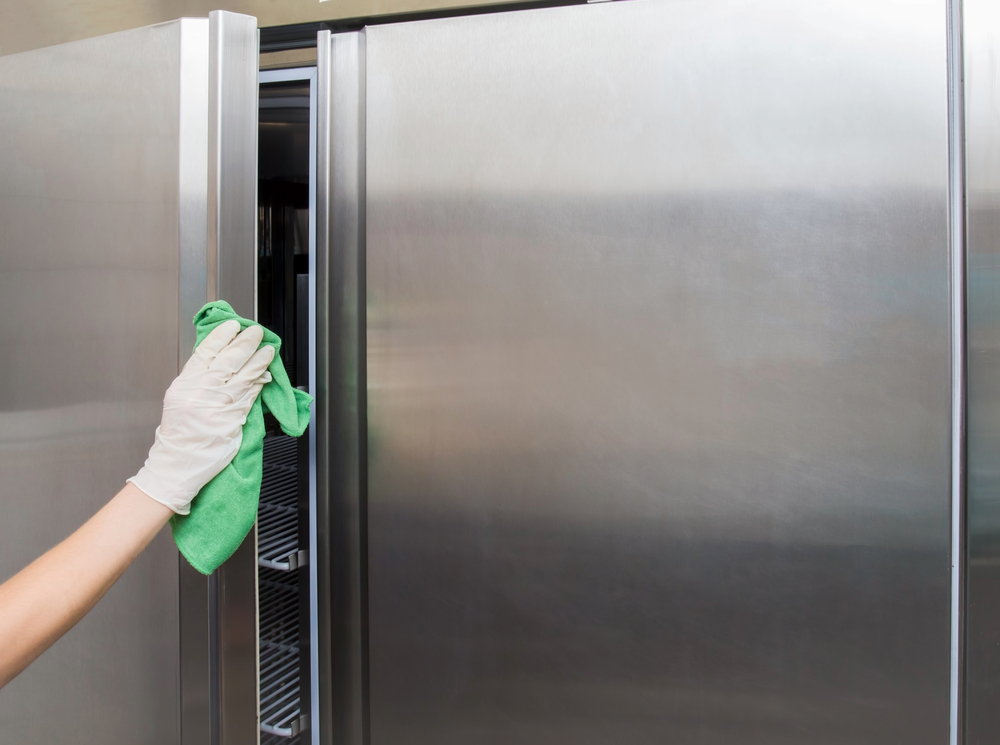
Commercial refrigeration systems are the backbone of many businesses, from restaurants and grocery stores to warehouses and pharmaceutical facilities. Ensuring these systems function optimally is critical to maintaining inventory, ensuring compliance with health codes, and avoiding costly downtime. If you’re a business owner in Eugene, OR, understanding when your system needs professional attention can save you both time and money. Below, we’ll explore the most common signs that indicate it’s time for a commercial refrigeration repair in Eugene, OR.
Why Maintaining Your Commercial Refrigeration System Is Essential
Your commercial refrigeration system is a significant investment, and its efficiency directly impacts your bottom line. A malfunctioning system can lead to spoiled inventory, higher energy bills, and potential safety hazards. Regular maintenance and prompt repairs by trusted professionals in commercial refrigeration in Eugene, OR are crucial to keeping your system in top condition.
Warning Signs Your Commercial Refrigeration System Needs Repair
1. Fluctuating Temperatures
One of the most common indicators of a failing refrigeration system is inconsistent temperatures. If your system can’t maintain a steady cold environment, it could lead to spoiled inventory or even health code violations. Causes of fluctuating temperatures include:
Faulty thermostats
Damaged door seals
Malfunctioning compressors
Temperature inconsistencies should be addressed promptly by a commercial refrigeration repair professional in Eugene, OR to avoid further complications.
2. Unusual Noises
While refrigeration systems aren’t silent, unusual sounds such as grinding, banging, or hissing often indicate mechanical issues. These noises could stem from:
A failing motor
Worn-out fans
Loose or damaged components
Ignoring these sounds can lead to more significant problems, so scheduling a repair as soon as possible is wise.
3. Excessive Frost or Ice Build-Up
Seeing frost inside a refrigeration system might seem normal, but excessive frost or ice build-up is a red flag. It could indicate:
Poor airflow
A malfunctioning defrost system
Door seal issues allowing warm air to enter
If you notice excessive frost in your unit, contact a commercial refrigeration repair expert in Eugene, OR to diagnose and fix the issue before it impacts your system’s efficiency.
The Impact of Delayed Repairs
4. Higher Energy Bills
An inefficient refrigeration system consumes more energy to maintain its cooling capacity. If you’ve noticed a sudden spike in energy costs, your system might be working harder than it should. Common culprits include:
Dirty or clogged condenser coils
A failing compressor
Refrigerant leaks
Timely maintenance and repair services in Eugene, OR can help restore your system’s efficiency and lower energy bills.
5. Leaking Water
Water leaks around your refrigeration system can lead to safety hazards and structural damage. Leaks are often caused by:
Clogged or frozen drain lines
Improper condensation drainage
Cracked or broken components
If you spot water pooling near your system, it’s essential to call a professional for immediate commercial refrigeration repair in Eugene, OR.
Maintaining Food Safety and Compliance
6. Spoiled Inventory
Spoiling food or beverages is a direct consequence of an underperforming refrigeration system. Not only does this result in financial loss, but it could also lead to health code violations. If you’re frequently discarding inventory due to spoilage, it’s time to evaluate your system’s functionality.
7. Odors or Mold Growth
A properly functioning refrigeration system should remain dry and odor-free. The presence of unpleasant smells or mold growth often points to:
Standing water
Improper drainage
Leaks or contamination
These issues need immediate attention to avoid health risks and compliance violations.
Choosing the Right Repair Service
When your system requires professional attention, selecting the right service provider is critical. Here’s why businesses in Eugene, OR trust local experts for their commercial refrigeration repair needs:
8. Expertise in Commercial Systems
Commercial refrigeration systems are complex and require specialized knowledge. Working with professionals experienced in commercial refrigeration in Eugene, OR ensures proper diagnosis and repair.
9. Quick Response Times
A malfunctioning refrigeration system can disrupt your business operations. Local experts provide timely service, minimizing downtime and protecting your inventory.
10. Preventative Maintenance Plans
Many repair services in Eugene, OR offer preventative maintenance plans, helping you stay ahead of potential issues and extend the lifespan of your equipment.
How to Prevent Future Issues
Schedule Regular Maintenance
Routine maintenance is the best way to keep your refrigeration system running smoothly. Maintenance tasks include:
Cleaning condenser coils
Checking refrigerant levels
Inspecting door seals and hinges
Monitor System Performance
Stay vigilant about how your system performs daily. Log temperature readings, listen for unusual noises, and inspect for visible wear and tear.
Partner with Trusted Professionals
Building a relationship with a reliable commercial refrigeration repair service in Eugene, OR ensures you have a partner ready to assist when issues arise.
Final Thoughts
Your commercial refrigeration system plays a vital role in your business’s success. Recognizing the warning signs of potential issues and addressing them promptly with professional commercial refrigeration repair in Eugene, OR can save you from costly repairs and operational disruptions. Don’t wait until minor problems escalate—partner with a trusted local expert to keep your system in peak condition.
Need Commercial Refrigeration, Heating and Cooling in Eugene, OR?
Call American Refrigeration for all your commercial heating, ventilation & cooling needs! Founded in 1995, American Refrigeration has been proudly serving the Eugene & Portland areas with honesty & integrity for over 19 years. We specialize in commercial HVAC, air conditioning & heating repair, including medical laboratories and winery chillers. Emergency Repair is available 24/7 and we honor manufacturer rebates & warranties. Contact us today!
When it comes to commercial refrigeration systems, regular maintenance is not just a good idea—it’s essential. These systems are crucial for keeping food products fresh, ensuring the safety of perishable goods, and maintaining the quality of products in industries like food service, pharmaceuticals, and even some types of retail. Regular maintenance for commercial refrigeration systems goes a long way in keeping these units operating efficiently, reducing the risk of costly breakdowns, and extending the life of the equipment. In this article, we’ll discuss why refrigeration system maintenance is so important, what it entails, and how it benefits business operations.
Why is Regular Maintenance for Commercial Refrigeration Systems Essential?
Prevents Costly Breakdowns and Repairs
One of the primary reasons to maintain commercial refrigeration systems regularly is to avoid unexpected breakdowns. When a refrigeration unit fails, it can cause a domino effect, impacting not only the products stored but also the overall operation of a business. Emergency repairs often cost significantly more than regular maintenance, not to mention the potential loss from spoiled goods. Preventive maintenance helps to identify potential issues before they become significant problems, saving businesses from incurring massive expenses in emergency repair costs and product losses.
Extends Equipment Lifespan
Commercial refrigeration systems are a significant investment, and business owners expect them to last for several years. Without regular maintenance, however, the lifespan of these units can be significantly reduced. Regular inspections and servicing ensure that each component of the refrigeration system works optimally and without unnecessary strain. This proactive approach not only increases the equipment’s lifespan but also maximizes the return on investment by keeping the unit in good working condition for longer.
Ensures Food Safety and Compliance
In industries like food service and pharmaceuticals, refrigeration system maintenance is directly linked to food safety standards and regulatory compliance. Proper maintenance helps to ensure that the refrigeration system maintains the appropriate temperatures, preventing bacterial growth and spoilage of perishable goods. Regular maintenance for commercial refrigeration systems often includes checks on temperature settings and calibrations, ensuring compliance with health codes and safety regulations. Failure to maintain these standards can lead to health hazards, loss of reputation, and even legal penalties.
Key Components of Refrigeration System Maintenance
A well-rounded maintenance plan covers several critical aspects of a commercial refrigeration system. Knowing what to expect in a maintenance program can help business owners understand the value of these services.
Cleaning the Condenser and Evaporator Coils
Over time, condenser and evaporator coils can accumulate dust, grime, and other debris. These components are essential in the heat exchange process that keeps the unit cool. Dirty coils force the refrigeration system to work harder, increasing energy consumption and strain on the unit. Regular cleaning of the coils improves efficiency, helps maintain consistent temperatures, and reduces the risk of overheating, a common cause of system failure.
Checking and Replacing Filters
Filters in a refrigeration system help to keep dust and contaminants out of the system. Dirty or clogged filters restrict airflow, making it harder for the unit to function effectively. Regular maintenance includes checking these filters and replacing them as necessary. This simple step goes a long way in preserving the system’s efficiency and reducing wear and tear on the components.
Inspecting Electrical Connections
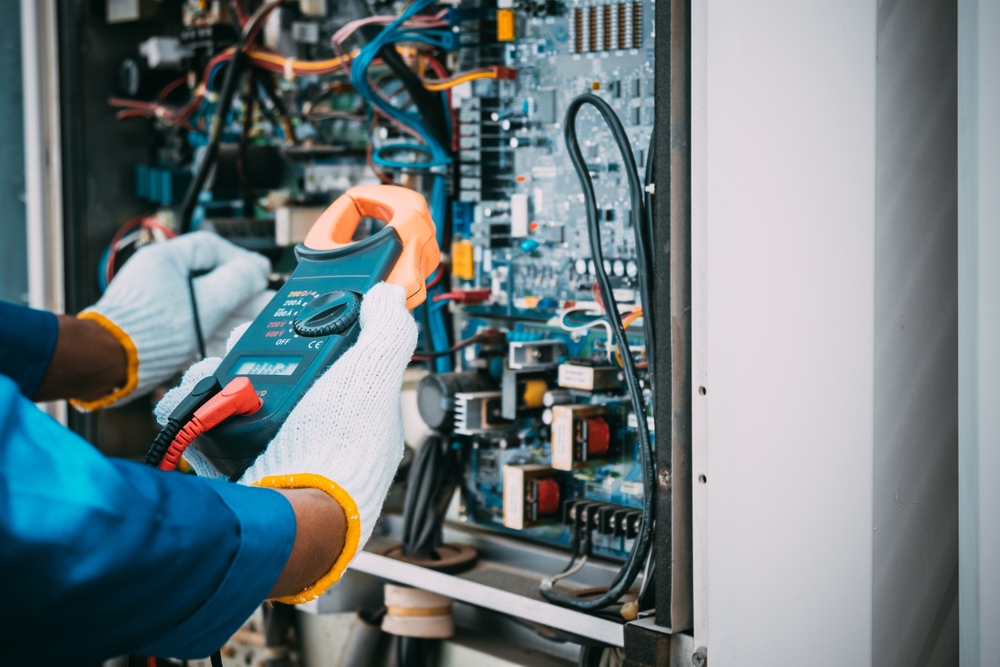
Commercial refrigeration systems rely heavily on electrical components. Loose, frayed, or damaged electrical connections can lead to malfunctions or, in severe cases, cause electrical fires. During routine maintenance, technicians inspect these connections to ensure they are secure and functioning correctly. Addressing electrical issues before they escalate not only prevents costly repairs but also enhances the overall safety of the refrigeration system.
Calibrating Temperature Controls
Temperature consistency is a critical factor in commercial refrigeration. During maintenance, technicians will calibrate and test the system’s temperature controls to ensure they are functioning correctly. Inaccurate temperature settings can lead to spoiled goods, increased energy consumption, and possible health risks. By maintaining correct temperature levels, businesses can avoid product loss and keep their goods within safe temperature ranges.
Checking Refrigerant Levels and Leaks
Refrigerant is a vital component that enables the cooling process in refrigeration systems. Low refrigerant levels or leaks can impair the system’s ability to cool properly and increase energy costs. During maintenance, technicians will check refrigerant levels and inspect for leaks, which is especially important given the environmental impact of refrigerant gases. Ensuring the correct refrigerant levels can improve efficiency, reduce energy bills, and lessen the environmental footprint.
Benefits of Regular Refrigeration System Maintenance for Businesses
Routine maintenance of commercial refrigeration systems provides a multitude of benefits that can improve a business’s bottom line and enhance overall operational efficiency.
Enhanced Energy Efficiency
Regular maintenance for commercial refrigeration systems can significantly improve energy efficiency. When components are clean and well-maintained, the system doesn’t have to work as hard to maintain the desired temperatures. A well-maintained system consumes less power, resulting in reduced energy bills. Considering that refrigeration systems often account for a large portion of energy use in commercial settings, the cost savings from improved energy efficiency are substantial.
Reduced Downtime
Downtime is a costly issue for businesses reliant on refrigeration. Equipment breakdowns disrupt operations, potentially leading to losses in both productivity and product quality. Regular maintenance helps to minimize downtime by ensuring the system is always in good working order. Early detection and resolution of issues keep the refrigeration system running smoothly, allowing businesses to focus on operations without interruption.
Lower Repair Costs
Addressing minor issues before they turn into major problems is a fundamental aspect of preventive maintenance. While the cost of regular maintenance may seem like an added expense, it is far lower than the costs associated with major repairs or complete system replacements. A well-maintained refrigeration system is less likely to experience significant breakdowns, helping businesses to save on costly repairs in the long run.
Improved Product Quality
For industries that rely on refrigeration for product preservation, the quality of products is directly tied to the refrigeration system’s performance. Properly maintained systems can hold consistent temperatures, keeping products fresh and safe for consumption. Whether it’s food, beverages, or medications, quality assurance depends on an optimally functioning refrigeration system. Businesses can maintain their reputation for quality by ensuring their refrigeration systems are up to standard.
Increased Environmental Responsibility
With the rising awareness of environmental responsibility, regular refrigeration system maintenance can be part of a business’s sustainability initiatives. Efficient refrigeration systems consume less energy, reducing the environmental impact. Additionally, maintenance checks help in identifying and repairing refrigerant leaks, which can prevent harmful greenhouse gases from escaping into the atmosphere. Businesses that prioritize environmental responsibility benefit from cost savings and positive recognition for their commitment to sustainability.
How Often Should Commercial Refrigeration Maintenance Be Conducted?
The frequency of maintenance for commercial refrigeration systems can depend on several factors, including the type of system, the environment in which it operates, and the usage level. However, most experts recommend scheduling maintenance at least twice a year. High-demand businesses or those in warmer climates may benefit from quarterly maintenance checks. Consulting with a professional refrigeration maintenance provider can help determine the optimal schedule based on the system’s specifications and business needs.
Tips for Selecting a Reliable Refrigeration Maintenance Service
Finding the right service provider for refrigeration system maintenance is crucial for ensuring quality and reliability. Here are some tips for choosing a trusted provider:
Experience and Expertise: Look for providers with extensive experience in commercial refrigeration systems and knowledgeable technicians who understand the complexities of different system types.
Customized Maintenance Plans: A good maintenance provider will offer tailored plans based on your system’s requirements and usage patterns, ensuring that you receive the most appropriate services for your needs.
Transparent Pricing: Ensure the provider is transparent with pricing, detailing what is included in the maintenance package and any additional costs that may arise.
Availability of Emergency Services: Choose a provider that offers emergency repair services as part of their maintenance plans, so you have support when unexpected issues occur.
Conclusion
Regular maintenance for commercial refrigeration systems is more than just a preventive measure—it’s a necessity for businesses that rely on these systems to protect their products, maintain operational efficiency, and reduce costs. From preventing breakdowns to ensuring food safety, routine refrigeration system maintenance offers countless benefits that directly impact a company’s bottom line. With a comprehensive maintenance plan in place, businesses can enhance energy efficiency, extend the lifespan of their equipment, and meet regulatory requirements, all while supporting a sustainable and responsible approach to their operations. Investing in regular maintenance is not just about protecting equipment; it’s about safeguarding the future of your business.
Need Commercial Refrigeration, Heating and Cooling in Eugene, OR?
Call American Refrigeration for all your commercial heating, ventilation & cooling needs! Founded in 1995, American Refrigeration has been proudly serving the Eugene & Portland areas with honesty & integrity for over 19 years. We specialize in commercial HVAC, air conditioning & heating repair, including medical laboratories and winery chillers. Emergency Repair is available 24/7 and we honor manufacturer rebates & warranties. Contact us today!
Managing a cold storage facility is a crucial responsibility that goes beyond simply keeping items at a low temperature. A well-organized and properly maintained cold storage facility ensures that goods remain fresh, safe, and accessible. It also optimizes the use of space, energy, and resources, which can significantly improve operational efficiency. Whether you’re dealing with perishable foods, pharmaceuticals, or other temperature-sensitive items, effective organization and maintenance are essential.
In this article, we will explore how to properly organize and maintain a cold storage facility. We’ll cover essential tips for organizing your storage space, best practices for maintaining optimal conditions, and the importance of regular inspections and cleaning.
Why Proper Organization Matters in a Cold Storage Facility
The organization of a cold storage facility plays a vital role in ensuring the longevity and safety of the items stored. A disorganized space can lead to several issues, including:
Spoilage and Waste: Improper organization can result in inefficient airflow, uneven temperature distribution, and goods being forgotten or left in inaccessible areas.
Increased Costs: Poor organization can lead to longer search times, making labor inefficient. It may also cause unnecessary damage to goods, resulting in financial losses.
Compromised Safety: Food and pharmaceutical items, in particular, must be stored according to specific guidelines. Disorganized storage can lead to cross-contamination, temperature abuse, and safety hazards.
Thus, maintaining a well-structured and organized cold storage facility is crucial for operational efficiency and regulatory compliance.
Key Considerations for Organizing a Cold Storage Facility
When planning the organization of a cold storage facility, several factors should be taken into account. Here are some essential considerations to optimize the layout and accessibility:
1. Temperature Zones
Different items have varying temperature requirements, so it’s essential to designate specific temperature zones in your cold storage facility. These zones help maintain the right environment for each type of product. For example:
Frozen storage: Typically kept at -18°C (0°F) or lower for frozen goods.
Chilled storage: Usually between 0°C and 4°C (32°F and 39°F) for perishable foods like dairy, meat, and produce.
Temperature-controlled storage: Ideal for items that need a stable environment but not freezing temperatures, such as certain medications.
Ensure that items with similar temperature needs are stored together to avoid fluctuations in temperature. Label each zone clearly to prevent misplacement of goods.
2. FIFO (First-In, First-Out) System
Implementing the First-In, First-Out (FIFO) method is one of the best cold storage organization tips. This inventory management system ensures that older products are used before newer ones, minimizing spoilage and waste. Items should be labeled with expiration or receiving dates, and shelving should be organized to make it easier to access the older stock first.
3. Proper Shelving and Racking Systems
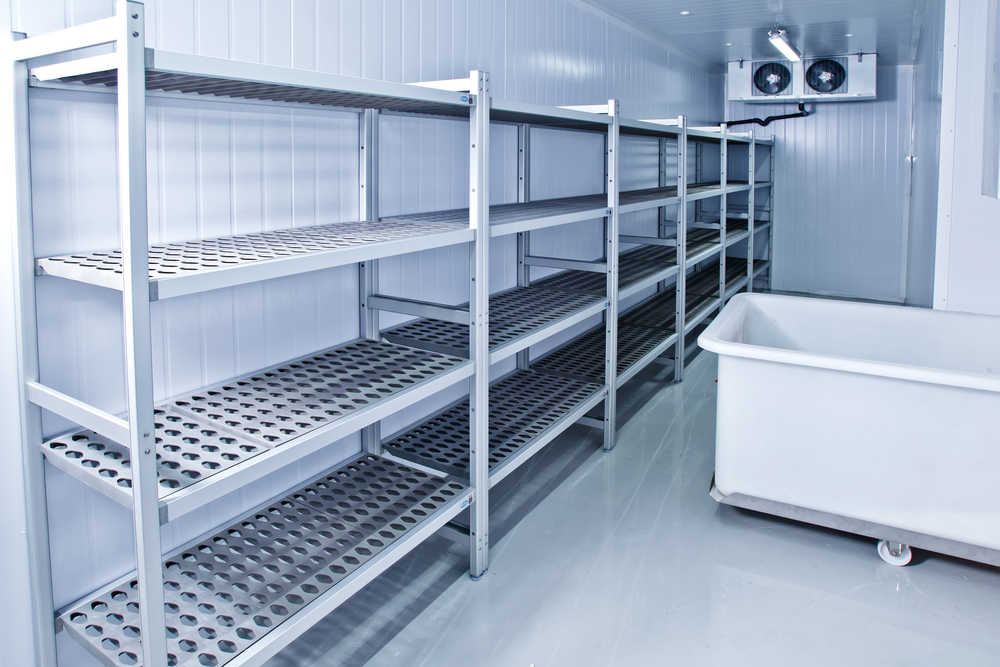
The shelving and racking system in a cold storage facility is vital for proper organization and space optimization. Choose durable and rust-resistant materials that can withstand low temperatures. Key shelving considerations include:
Adjustability: Opt for adjustable shelves to accommodate different-sized products.
Airflow: Shelving units should allow for adequate airflow around the items to ensure consistent temperatures throughout the facility.
Weight distribution: Store heavier items on lower shelves to prevent accidents or damage to lighter, fragile items.
4. Clear Labeling and Categorization
Clear labeling is a critical element of cold storage organization. Every item, section, and shelf should be clearly labeled to make identification quick and easy. This is especially important in cold storage environments, where time spent searching for products can affect overall facility temperature.
To improve organization:
Use color-coded labels to distinguish between different categories or temperature zones.
Implement barcodes or QR codes for easy scanning and tracking of inventory.
Categorize items by type, expiration date, and temperature requirements.
5. Efficient Use of Space
Maximizing the available space in a cold storage facility is crucial to keeping operations cost-effective. Inefficient use of space can lead to higher energy costs and difficulty in finding items. Consider the following strategies:
Vertical storage: Use tall shelving units to utilize the full height of the storage facility. This maximizes storage capacity without increasing the facility’s footprint.
Aisle spacing: Ensure aisles are wide enough to allow forklifts or workers to navigate easily but not so wide that space is wasted.
Stackable containers: Use durable, stackable containers to maximize storage in smaller areas.
Best Practices for Maintaining a Cold Storage Facility
Proper maintenance of a cold storage facility is just as important as its organization. Regular upkeep ensures that equipment runs efficiently, temperatures are consistent, and stored items remain safe. Here are some best practices for maintaining your cold storage facility:
1. Temperature Monitoring
Temperature fluctuations can quickly ruin temperature-sensitive products. Investing in a reliable temperature monitoring system is essential for the maintenance of your cold storage facility. The system should:
Monitor temperature in real-time: Sensors should provide constant data on the temperature in different zones.
Alert for deviations: Alarms should be in place to notify staff immediately if the temperature goes outside the safe range.
Maintain logs: Keeping records of temperature readings is vital for compliance with food safety and pharmaceutical regulations.
2. Regular Equipment Maintenance
The refrigeration systems in a cold storage facility are its backbone. Proper and regular maintenance of this equipment helps prevent costly breakdowns and product spoilage. Key areas to focus on include:
Refrigeration units: Regularly inspect the cooling systems for any signs of wear, leaks, or malfunction. Ensure that fans, compressors, and evaporators are working correctly.
Doors and seals: Inspect door seals regularly to ensure they’re airtight. Leaky seals can cause temperature fluctuations and increase energy consumption.
Insulation: Ensure that the facility’s insulation is in good condition to prevent loss of cold air and excessive energy use.
3. Cleanliness and Sanitation
Cold storage facilities must adhere to strict cleanliness and sanitation standards to prevent contamination and the spread of bacteria. Develop a cleaning schedule to ensure that all areas, including floors, shelves, and containers, are regularly cleaned. Special attention should be given to:
Drains: Keep drains free of blockages to prevent standing water and mold growth.
Surfaces: Regularly clean and disinfect all surfaces to reduce the risk of contamination.
Spill management: Quickly address spills to prevent slipping hazards and contamination.
4. Pest Control
Although cold environments tend to deter pests, they are not completely pest-proof. It’s essential to implement a pest control plan that includes regular inspections, sealing off potential entry points, and using non-toxic pest control measures that are safe for food and pharmaceutical storage environments.
5. Energy Efficiency
Cold storage facilities require significant energy to maintain low temperatures, but there are ways to reduce energy consumption without compromising performance:
LED lighting: Use LED lights, which emit less heat and consume less energy.
Automated doors: Install doors that open and close automatically to prevent unnecessary temperature loss.
Energy-efficient refrigeration units: Invest in energy-efficient refrigeration systems that use less power and produce less waste heat.
Conduct Regular Inspections
Routine inspections are essential for ensuring that your cold storage facility remains in optimal condition. Inspections should cover:
Temperature consistency: Check that temperature readings match your set points in all zones.
Equipment functionality: Inspect all mechanical and electrical systems to ensure they’re operating correctly.
Safety standards: Ensure that safety protocols, such as proper stacking, clear aisles, and the correct use of PPE, are being followed.
Conclusion
A well-organized and properly maintained cold storage facility is key to preserving the quality of temperature-sensitive products and ensuring smooth operations. By implementing strategies such as creating temperature zones, using the FIFO system, and maintaining efficient shelving, you can optimize the organization of your facility. Additionally, regular maintenance, temperature monitoring, and energy-saving practices will help keep your facility running efficiently and safely. Following these cold storage organization tips will not only improve operational efficiency but also reduce waste, minimize costs, and enhance product safety.
Need Commercial Refrigeration, Heating and Cooling in Eugene, OR?
Call American Refrigeration for all your commercial heating, ventilation & cooling needs! Founded in 1995, American Refrigeration has been proudly serving the Eugene & Portland areas with honesty & integrity for over 19 years. We specialize in commercial HVAC, air conditioning & heating repair, including medical laboratories and winery chillers. Emergency Repair is available 24/7 and we honor manufacturer rebates & warranties. Contact us today!
In an era where environmental consciousness is at an all-time high, businesses are increasingly seeking ways to reduce their carbon footprint and adopt sustainable practices. Among these, sustainable commercial refrigeration stands out as a critical area for improvement. In this article, we’ll explore the latest trends in eco-friendly cooling, the benefits of adopting sustainable commercial refrigeration practices, and how businesses in Eugene, OR, are leading the charge in eco-friendly refrigeration practices.
Sustainable Commercial Refrigeration
Sustainable commercial refrigeration refers to the use of refrigeration systems and practices that minimize environmental impact. This includes energy-efficient technologies, the use of eco-friendly refrigerants, and practices that reduce overall energy consumption. The goal is to not only lower operational costs but also contribute to a healthier planet.
Key Trends in Eco-Friendly Cooling
1. Energy-Efficient Refrigeration Systems
One of the most significant trends in sustainable commercial refrigeration is the adoption of energy-efficient systems. Modern refrigeration technologies, such as variable speed compressors and advanced insulation materials, are designed to use less energy while maintaining optimal performance. This trend is not just about meeting current energy standards but exceeding them, setting new benchmarks for efficiency in the industry.
2. Eco-Friendly Refrigerants
The phase-out of harmful refrigerants like chlorofluorocarbons (CFCs) and hydrofluorocarbons (HFCs) has led to the development of eco-friendly refrigerants. These new refrigerants, such as hydrofluoroolefins (HFOs) and natural refrigerants like CO2, have a lower global warming potential (GWP) and are less damaging to the ozone layer. Businesses are increasingly investing in systems that use these greener alternatives, aligning with global environmental goals.
3. Advanced Controls and Automation
Smart technology is revolutionizing commercial refrigeration with advanced controls and automation. These systems use sensors and data analytics to optimize refrigeration performance, reduce energy consumption, and predict maintenance needs. Automated systems can adjust cooling levels based on real-time data, ensuring that energy is used efficiently and effectively.
4. Sustainable Design and Construction
The design and construction of refrigeration systems are also becoming more sustainable. Innovations include modular and scalable designs that allow for flexibility and expansion without significant additional energy use. Additionally, eco-friendly materials are being used in the construction of refrigeration units, further reducing their environmental impact.
5. Renewable Energy Integration
Integrating renewable energy sources, such as solar or wind power, with commercial refrigeration systems is an emerging trend. By harnessing clean energy, businesses can reduce their reliance on fossil fuels and lower their overall carbon footprint. This integration not only supports sustainability goals but can also lead to cost savings in the long run.
Benefits of Sustainable Commercial Refrigeration
1. Reduced Environmental Impact
The primary benefit of adopting sustainable commercial refrigeration practices is the reduction in environmental impact. By using energy-efficient systems and eco-friendly refrigerants, businesses can significantly lower their greenhouse gas emissions and contribute to the fight against climate change.
2. Cost Savings
While the initial investment in sustainable refrigeration systems may be higher, the long-term cost savings are substantial. Energy-efficient systems reduce energy bills, and advanced controls help minimize maintenance costs. Over time, these savings can offset the upfront costs and provide a favorable return on investment.
3. Enhanced Brand Reputation
Businesses that prioritize sustainability often enjoy enhanced brand reputation and customer loyalty. Consumers are increasingly favoring companies that demonstrate a commitment to environmental responsibility. By adopting eco-friendly refrigeration practices, businesses can position themselves as leaders in sustainability, attracting eco-conscious customers and clients.
4. Compliance with Regulations
With increasing environmental regulations and standards, adopting sustainable refrigeration practices can help businesses stay compliant with current and future regulations. This not only avoids potential fines but also ensures that businesses are ahead of the curve in meeting environmental standards.
5. Improved Efficiency and Performance
Sustainable refrigeration systems are designed to operate more efficiently, which can lead to improved overall performance. Features like advanced controls and energy-efficient components ensure that refrigeration systems run optimally, reducing energy waste and extending the lifespan of the equipment.
Eco-Friendly Refrigeration Practices in Eugene, OR
Businesses in Eugene, OR, are at the forefront of adopting eco-friendly refrigeration practices. This city’s commitment to sustainability is evident in various local initiatives and businesses that are setting examples for others to follow. From energy-efficient refrigeration systems in local grocery stores to the use of renewable energy sources in commercial establishments, Eugene is making strides in reducing its environmental footprint.
Local businesses are also leveraging incentives and support programs provided by the city to transition to sustainable refrigeration systems. These programs often include financial incentives, technical support, and resources to help businesses make the switch to eco-friendly practices.
Conclusion
The shift towards sustainable commercial refrigeration is not just a trend but a necessary step towards a more environmentally responsible future. By embracing energy-efficient technologies, eco-friendly refrigerants, and advanced controls, businesses can reduce their environmental impact, achieve cost savings, and enhance their brand reputation. In Eugene, OR, businesses are leading the way in adopting these practices, showcasing a commitment to sustainability that other cities can look to as a model. As the industry continues to evolve, the focus on eco-friendly cooling will play a crucial role in shaping a more sustainable world.
Need Commercial Refrigeration, Heating and Cooling in Eugene, OR?
Call American Refrigeration for all your commercial heating, ventilation & cooling needs! Founded in 1995, American Refrigeration has been proudly serving the Eugene & Portland areas with honesty & integrity for over 19 years. We specialize in commercial HVAC, air conditioning & heating repair, including medical laboratories and winery chillers. Emergency Repair is available 24/7 and we honor manufacturer rebates & warranties. Contact us today!
Commercial refrigerators are essential in various industries, from restaurants to grocery stores. Their ability to keep products fresh and at the right temperature can make or break a business. However, maintaining these systems is crucial for their longevity and efficiency. Here, we discuss effective maintenance strategies to maximize the lifespan of commercial refrigeration systems.
Importance of Regular Maintenance
Regular maintenance is vital for commercial refrigerators to function optimally. Neglecting maintenance can lead to decreased efficiency, higher energy bills, and premature equipment failure. Implementing a consistent maintenance schedule can prevent these issues and extend the lifespan of your commercial refrigeration system.
Daily Maintenance Tasks
1. Inspect Temperature Settings
Ensure that the temperature settings are consistent with the manufacturer’s recommendations. Check daily to make sure the temperatures are within the acceptable range to prevent spoilage and ensure food safety.
2. Check for Leaks
Inspect the unit for any signs of refrigerant or water leaks. Leaks can lead to decreased efficiency and potential damage to other components. Address any leaks immediately to avoid further complications.
3. Clean the Condenser Coils
Dust and debris can accumulate on condenser coils, reducing their efficiency. Clean the coils daily or as needed to ensure optimal performance. This simple task can prevent overheating and improve the unit’s overall efficiency.
Weekly Maintenance Tasks
1. Clean the Interior
Regularly clean the interior of the refrigerator to prevent mold growth and unpleasant odors. Use non-abrasive cleaners and ensure all surfaces are dry before restocking to maintain a sanitary environment.
2. Check Door Seals
Examine the door seals for any cracks or tears. Faulty seals can lead to temperature fluctuations and increased energy consumption. Replace damaged seals promptly to ensure the unit remains airtight.
3. Inspect the Evaporator Fan
The evaporator fan helps circulate air throughout the refrigerator. Ensure that the fan is working correctly and that there are no obstructions. A malfunctioning fan can lead to uneven cooling and higher energy costs.
Monthly Maintenance Tasks
1. Clean the Condenser Fan
The condenser fan helps cool the refrigerant as it passes through the coils. Over time, dust and debris can accumulate on the fan blades. Clean the condenser fan monthly to maintain efficient operation.
2. Check Refrigerant Levels
Inspect the refrigerant levels to ensure they are within the recommended range. Low refrigerant levels can lead to poor cooling performance and potential system failure. Contact a professional if you suspect refrigerant issues.
3. Examine Electrical Components
Inspect the electrical components, including wiring and connections, for any signs of wear or damage. Ensure all connections are secure and functioning correctly to prevent electrical issues.
Seasonal Maintenance Tasks
1. Deep Clean the Refrigeration System
Perform a thorough cleaning of the refrigeration system at least once per season. This includes cleaning the condenser and evaporator coils, checking for mold, and ensuring that all components are free of debris.
2. Service the Unit
Schedule a professional service visit at least twice a year. A technician can perform in-depth diagnostics, clean components that are difficult to reach, and address any potential issues before they become major problems.
3. Inspect Insulation
Check the insulation for any signs of damage or wear. Proper insulation is essential for maintaining temperature and energy efficiency. Replace any damaged insulation to ensure the unit operates efficiently.
Troubleshooting Common Issues
1. Uneven Cooling
If you notice uneven cooling, it may be due to a faulty fan, blocked vents, or incorrect temperature settings. Check these components and make necessary adjustments to restore even cooling.
2. Increased Energy Bills
Rising energy costs can indicate that the refrigerator is not operating efficiently. Possible causes include dirty condenser coils, worn door seals, or a malfunctioning thermostat. Address these issues to reduce energy consumption.
3. Excessive Noise
Unusual noises can signal problems with the compressor, fan, or other components. Investigate the source of the noise and consult a professional if the issue persists.
Conclusion
Effective commercial refrigerator maintenance is crucial for extending the lifespan of your equipment and ensuring its optimal performance. By adhering to daily, weekly, monthly, and seasonal maintenance tasks, you can prevent common issues, reduce energy costs, and keep your refrigeration system running smoothly.
Need Commercial Refrigeration, Heating and Cooling in Eugene, OR?
Call American Refrigeration for all your commercial heating, ventilation & cooling needs! Founded in 1995, American Refrigeration has been proudly serving the Eugene & Portland areas with honesty & integrity for over 19 years. We specialize in commercial HVAC, air conditioning & heating repair, including medical laboratories and winery chillers. Emergency Repair is available 24/7 and we honor manufacturer rebates & warranties. Contact us today!