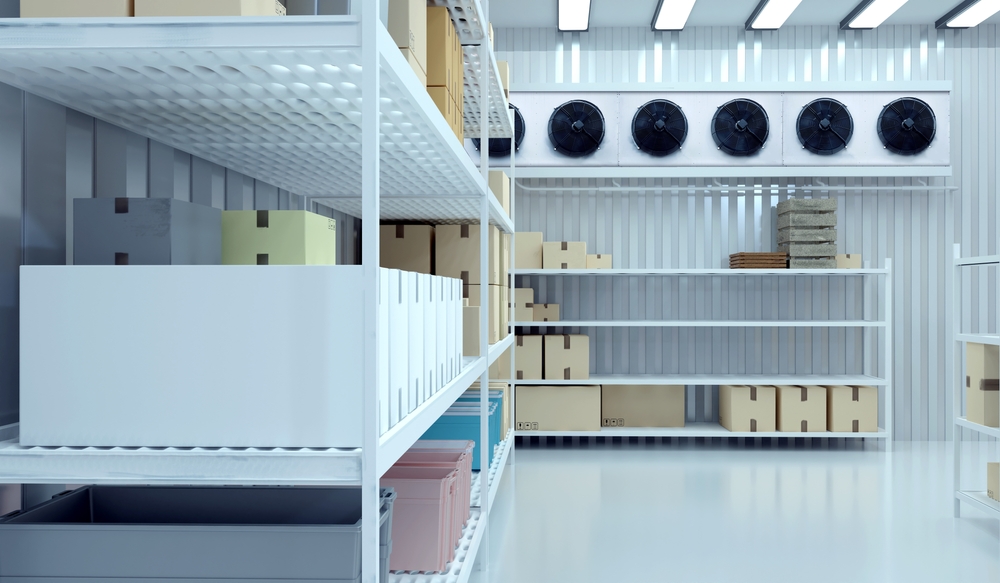
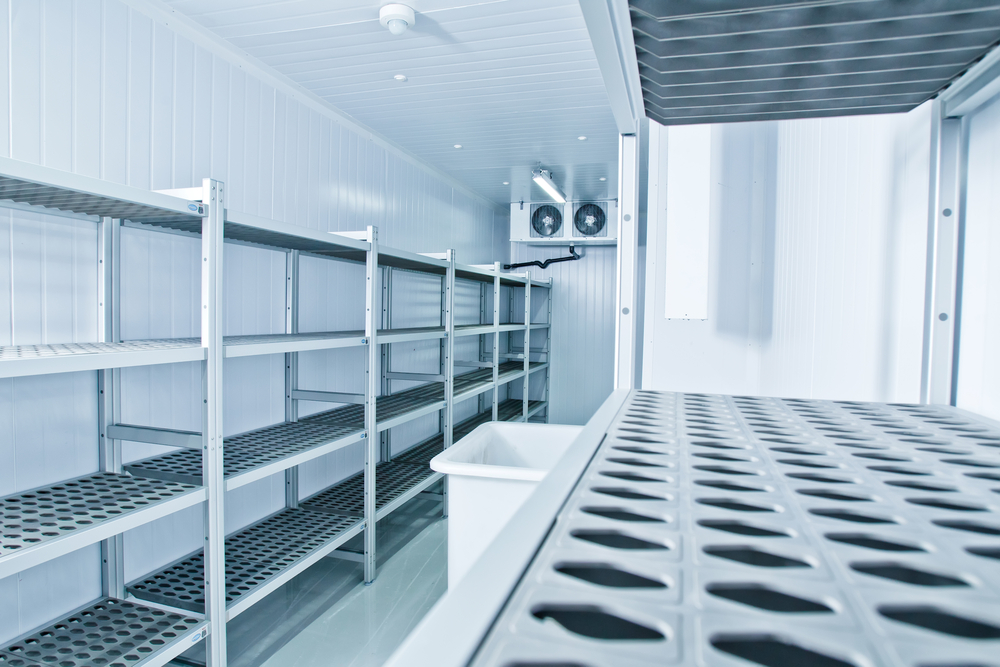
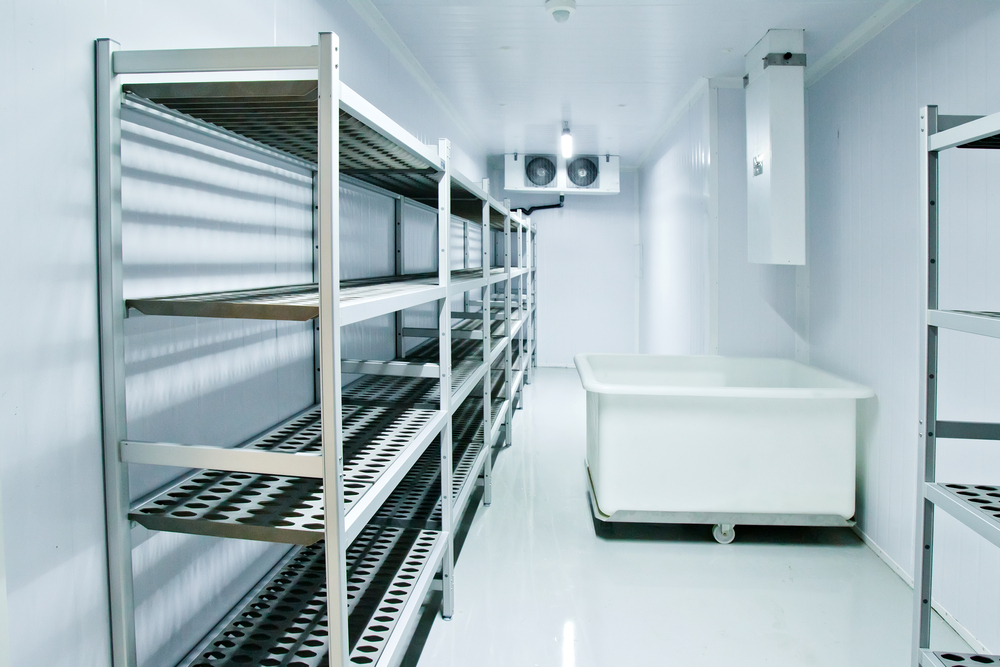
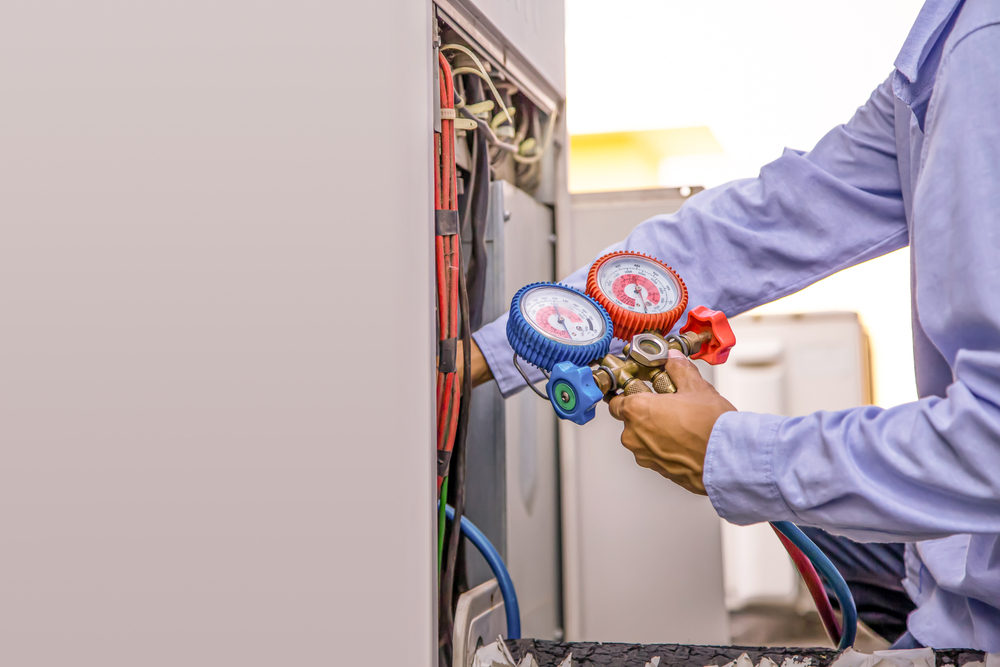
Commercial refrigeration systems are essential for businesses that rely on cold storage, such as restaurants, grocery stores, hotels, and medical facilities. These systems run continuously, often under heavy loads, making them vulnerable to wear and tear if not properly maintained. A smart and consistent commercial refrigeration maintenance schedule is not just a good practice, it is a necessity. Without it, the risk of unexpected breakdowns increases, leading to expensive emergency refrigeration repair and potential loss of inventory. This blog explores the ideal frequency and approach for maintaining commercial refrigeration systems to ensure optimal performance and longevity.
The Importance of Routine Maintenance for Refrigeration Systems
Preventative HVACR service plays a critical role in keeping commercial refrigeration systems operating efficiently. Unlike residential refrigerators, commercial units often deal with larger volumes, higher traffic, and more diverse operational demands. Because of these factors, minor issues can quickly evolve into major failures without early intervention.
Routine maintenance helps identify early warning signs such as unusual noises, temperature fluctuations, or frost buildup, all of which may indicate failing components. More importantly, regular service ensures that your equipment is running at peak efficiency, reducing energy consumption and extending the system’s lifespan.
For example, refrigeration coil cleaning is a vital task during routine maintenance. Dirty coils can restrict airflow and cause the system to overheat or run longer cycles, which increases wear on components and spikes your utility bill. Additionally, scheduled walk-in cooler inspection can help detect poor door seals, refrigerant leaks, or compressor problems before they escalate.
Recommended Frequency of Commercial Refrigeration Maintenance
While each system is different depending on the brand, size, and usage, there are general guidelines that apply to most commercial refrigeration units. Industry experts recommend quarterly maintenance for most systems. This interval balances thorough oversight with practical scheduling, allowing technicians to identify and resolve issues early enough to prevent costly breakdowns.
In high-traffic businesses like supermarkets or large restaurants, monthly checkups might be advisable, especially during hotter months when the system is under greater strain. On the other hand, smaller operations may find that biannual inspections suffice, provided the equipment is newer and used less intensively.
What matters most is consistency. Setting a dependable commercial refrigeration maintenance schedule, tailored to your system and business needs, ensures that critical components such as thermostats, fans, coils, and compressors are checked regularly. Skipping maintenance sessions, even occasionally, can result in gradual system degradation and increase the risk of emergency refrigeration repair.
Key Elements of Preventative Maintenance
A comprehensive preventative HVACR service plan should cover several critical areas to be effective. One of the most important is refrigeration coil cleaning. Evaporator and condenser coils collect dust, grime, and grease over time, especially in environments like kitchens. If neglected, these contaminants restrict heat exchange, overwork the compressor, and may lead to complete system failure.
Another essential task is inspecting the door gaskets and seals of walk-in coolers and freezers. Damaged or worn seals can cause cold air to leak out, forcing the unit to work harder to maintain its temperature. This not only raises your energy bills but also increases wear on the compressor and evaporator.
Technicians should also monitor refrigerant levels during each walk-in cooler inspection. Low refrigerant can signal leaks that, if unaddressed, will reduce cooling capacity and cause food spoilage. Additionally, they should test temperature accuracy, examine electrical connections, check fan operation, and clean drain lines to prevent clogs and mold growth.
By performing these tasks regularly, a professional technician can significantly reduce the likelihood of expensive emergency refrigeration repair, minimize downtime, and prolong the lifespan of your investment.
Signs Your Refrigeration System Needs Immediate Attention
Even with a solid commercial refrigeration maintenance schedule in place, certain signs may indicate the need for an immediate inspection outside your routine. These red flags should never be ignored, as they often point to problems that can escalate quickly if left unchecked.
Unusual noises such as buzzing, rattling, or grinding may suggest loose components, motor issues, or debris in the fan blades. If you notice temperature inconsistencies, such as items not staying cold enough or ice building up inside the unit, it may indicate thermostat malfunctions or airflow obstructions. Water pooling near or inside the system could mean clogged drain lines or condensate problems.
Another warning sign is the unit running continuously without cycling off. This may result from dirty coils, refrigerant issues, or faulty sensors. Ignoring these symptoms may result in emergency refrigeration repair or the complete loss of perishable goods.
Therefore, businesses should train their staff to identify and report these issues early. Prompt response to abnormal behavior can prevent further damage and reduce service costs in the long run.
Choosing a Reliable Maintenance Partner
Finding a qualified HVACR technician or service provider is crucial to protecting your refrigeration equipment. Look for companies that offer customizable service plans based on your business type and equipment size. Ideally, the provider should be familiar with your brand of equipment and offer 24/7 support in case emergency refrigeration repair becomes necessary.
A good service partner will not only conduct thorough inspections and repairs but also provide documentation of each service visit. This record can help identify patterns, track the age of components, and inform decisions about upgrades or replacements in the future.
Furthermore, ask whether your provider includes refrigeration coil cleaning and walk-in cooler inspection as standard in their preventative HVACR service. These tasks are too important to be optional. A reputable provider will ensure all key maintenance areas are covered without cutting corners.
Regular communication and transparent pricing also contribute to a successful maintenance partnership. When you have confidence in your technician, you can rest assured your equipment is in good hands, and your business remains uninterrupted.
Conclusion
A well-maintained refrigeration system is one of the most important assets in any business that depends on cold storage. Creating and following a regular commercial refrigeration maintenance schedule can prevent unexpected breakdowns, reduce operating costs, and extend equipment life. From consistent refrigeration coil cleaning to routine walk-in cooler inspection, every task plays a role in keeping your system running efficiently and reliably.
Preventative HVACR service is not merely about avoiding problems. It is about optimizing performance, saving money, and maintaining trust with your customers. Businesses that stay ahead of repairs and prioritize routine care are far less likely to face the stress and expense of emergency refrigeration repair.
Scheduling maintenance quarterly, or more frequently in demanding environments, is a smart investment. Partnering with a reliable service provider ensures your refrigeration units stay in peak condition, your products stay fresh, and your operations remain smooth. The bottom line is clear: regular maintenance is far more affordable than emergency repair. Stay proactive and protect your investment.
Need Commercial Refrigeration, Heating and Cooling in Eugene, OR?
Call American Refrigeration for all your commercial heating, ventilation & cooling needs! Founded in 1995, American Refrigeration has been proudly serving the Eugene & Portland areas with honesty & integrity for over 19 years. We specialize in commercial HVAC, air conditioning & heating repair, including medical laboratories and winery chillers. Emergency Repair is available 24/7 and we honor manufacturer rebates & warranties. Contact us today!
Eugene, Oregon, with its distinct seasonal changes and growing commercial landscape, presents unique challenges for businesses relying on HVAC and refrigeration systems. Whether it’s a local grocery store, restaurant, brewery, or office space, climate control and food safety are at the heart of daily operations. The unpredictable weather shifts of the Pacific Northwest only increase the demand for reliable heating, ventilation, air conditioning, and refrigeration. For business owners, keeping these systems functioning efficiently is not just about comfort or compliance; it’s a smart financial decision.
While some companies adopt a reactive approach and deal with breakdowns as they occur, savvy business owners understand the value of preventive maintenance. Regular check-ups, minor adjustments, and seasonal inspections go a long way in preventing major failures. Investing in a preventive maintenance program pays off year-round by improving efficiency, reducing emergency repair costs, extending equipment lifespan, and minimizing operational disruptions.
Reducing Energy Consumption Through Optimized Performance
Energy efficiency is one of the most direct ways preventive maintenance helps businesses in Eugene save money. HVAC and refrigeration systems that are poorly maintained tend to work harder than necessary to achieve desired temperatures. Dirty coils, clogged filters, low refrigerant levels, and worn belts all cause systems to draw more electricity. Over time, even minor inefficiencies can add up to significant increases in energy bills.
In a city like Eugene where businesses may run heating systems throughout the damp, chilly winters and then switch to cooling and refrigeration during the hotter summer months, consistent performance is critical. Preventive maintenance ensures systems are calibrated to operate at peak performance. Technicians clean and inspect components, check for air or refrigerant leaks, test thermostat accuracy, and optimize airflow. These actions lead to measurable reductions in utility bills over the course of a year.
Energy audits often reveal that buildings with consistent HVAC upkeep outperform those without it. For Eugene’s sustainability-conscious business community, preventive maintenance is also a way to align with green business practices while cutting unnecessary costs.
Avoiding Costly Emergency Repairs
Unexpected breakdowns are not just expensive; they are disruptive and stressful. When an HVAC unit fails during a cold snap or a refrigeration system malfunctions during a busy weekend, the cost goes far beyond the price of the repair. Business operations may halt, perishable goods may spoil, customers may be turned away, and revenue may be lost. Emergency repair services also typically come at a premium, especially outside of regular business hours.
Preventive maintenance programs help avoid these high-stakes situations by catching potential issues early. During routine visits, trained technicians can identify failing components, worn parts, or impending malfunctions before they escalate. Replacing a fan motor during a scheduled inspection is significantly cheaper than responding to a total system failure during a high-demand period.
Eugene businesses that experience seasonal spikes, such as retail stores during the holidays or restaurants during the summer tourist influx, cannot afford unexpected downtime. Preventive maintenance acts as an insurance policy, offering peace of mind and financial stability.
Extending Equipment Lifespan
HVAC and refrigeration systems represent major capital investments. Replacing a commercial rooftop unit, walk-in cooler, or split-system air conditioner can run into the tens of thousands of dollars. The longer these systems last, the more value a business extracts from its initial investment.
Regular maintenance plays a key role in extending the usable life of this equipment. Systems that are properly maintained experience less wear and tear because they operate under normal load conditions. Conversely, systems left to deteriorate without attention often degrade more quickly due to strain, corrosion, and component failure.
In Eugene’s damp environment, moisture can exacerbate mechanical issues if not addressed in time. Electrical connections may corrode, drainage systems can clog, and mold may develop in ductwork. Preventive maintenance helps businesses stay ahead of these climate-specific challenges, preserving the integrity of their equipment for as long as possible.
Manufacturers often require proof of routine maintenance to uphold warranties. Skipping scheduled service visits could not only shorten equipment life but also void valuable coverage. Businesses that prioritize upkeep avoid early replacements and gain more predictable control over long-term budgeting.
Improving Indoor Air Quality and Employee Productivity
The air quality inside a business directly impacts the comfort, health, and productivity of both employees and customers. A poorly maintained HVAC system may circulate dust, allergens, or mold spores, especially in older buildings common throughout Eugene. For businesses such as healthcare clinics, educational institutions, and fitness centers, indoor air quality is especially crucial.
Regular maintenance ensures that air filters are replaced, ventilation is properly balanced, and humidity levels are controlled. This leads to cleaner, healthier indoor environments. Employees working in well-ventilated spaces with consistent temperatures report fewer health issues, reduced absenteeism, and higher levels of job satisfaction.
Customer-facing businesses also benefit from creating a more pleasant atmosphere. Patrons are more likely to return to an establishment that is consistently comfortable, well-ventilated, and odor-free. In hospitality, retail, and food service, this contributes directly to increased customer retention and positive reviews.
By addressing indoor air quality as part of a preventive HVAC maintenance strategy, Eugene businesses create environments that support long-term operational success and employee well-being.
Supporting Regulatory Compliance and Business Reputation
Depending on the industry, HVAC and refrigeration systems may be subject to regulatory oversight. Food service establishments, in particular, must maintain refrigeration equipment to meet health department standards. Failure to keep food at safe temperatures due to equipment malfunction can result in health code violations, fines, or even temporary closures.
Preventive maintenance helps ensure compliance by keeping systems within acceptable operating parameters. Technicians document service visits and provide detailed reports, which can be invaluable during inspections or audits. This documentation demonstrates due diligence and can protect businesses from liability in the event of a dispute.
For eco-conscious companies in Eugene, staying ahead of environmental regulations is also important. Well-maintained systems reduce refrigerant leakage and lower greenhouse gas emissions. Proactively maintaining HVAC systems positions businesses as responsible members of the community, which can enhance public image and customer trust.
In competitive industries, reputation matters. Reliable climate control is one of those behind-the-scenes factors that customers may not notice when everything is working, but they will certainly notice when it fails. Preventive maintenance helps businesses avoid the embarrassment of system failures and the reputational damage that can follow.
Conclusion
Preventive HVAC and refrigeration maintenance is not an optional expense for Eugene businesses; it is a necessary strategy for long-term financial health. From reducing energy consumption to avoiding expensive repairs, extending equipment lifespan, improving indoor air quality, and ensuring regulatory compliance, the benefits touch every corner of business operations.
As Eugene continues to grow and evolve, local businesses that invest in preventive maintenance will stand out for their resilience, efficiency, and customer satisfaction. The cost of inaction is simply too high. By committing to regular maintenance, business owners not only save money but also build a more stable and sustainable future.
Need Commercial Refrigeration, Heating and Cooling in Eugene, OR?
Call American Refrigeration for all your commercial heating, ventilation & cooling needs! Founded in 1995, American Refrigeration has been proudly serving the Eugene & Portland areas with honesty & integrity for over 19 years. We specialize in commercial HVAC, air conditioning & heating repair, including medical laboratories and winery chillers. Emergency Repair is available 24/7 and we honor manufacturer rebates & warranties. Contact us today!
In Oregon, where the food service industry is both competitive and environmentally conscious, maintaining efficient refrigeration systems is crucial for restaurants and markets. A walk-in cooler or commercial freezer that runs inefficiently not only drives up energy costs but can also compromise food safety and increase repair expenses. Whether you’re in bustling Portland or the culinary scenes of Eugene, prioritizing walk-in cooler tips and commercial freezer efficiency can directly impact your bottom line and operational sustainability.
Optimize Location and Insulation
The first step in enhancing walk-in cooler efficiency is considering its physical location. Restaurants and markets in Oregon often place these units in basements or storage rooms, but if the space lacks adequate ventilation or is exposed to fluctuating ambient temperatures, the refrigeration system will have to work harder. This is especially true in cities like Eugene, where seasonal weather shifts can affect indoor temperature regulation. Install walk-in units in areas that remain cool and dry, away from direct sunlight and equipment that generates heat.
Equally important is the insulation. High-quality insulation slows down heat transfer, reducing the energy load on compressors. Inspect the condition of wall panels, ceiling tiles, and gaskets. Deteriorated or damp insulation can introduce moisture and mold, leading to energy inefficiency and health violations. Regular checks ensure that the cooler’s envelope is intact, minimizing thermal gain and helping maintain consistent temperatures. Investing in upgraded insulation can yield long-term savings by keeping your cooler or freezer running efficiently.
Maintain Seals and Door Closures
One of the most overlooked aspects of restaurant refrigeration maintenance is the integrity of the cooler’s doors. Door seals, or gaskets, must form a tight seal every time the door is closed. A worn or torn gasket lets in warm, moist air, forcing the refrigeration system to compensate by running more frequently. This leads to higher electricity consumption and accelerates wear and tear on the system.
In Oregon’s humid coastal regions, moisture intrusion is a serious concern. Doors should be self-closing, and hinges must be adjusted to ensure a snug fit. Check gaskets monthly for signs of cracking, mold, or compression fatigue. Clean them with mild detergent to remove food particles and debris that may compromise the seal. Additionally, train staff to avoid propping open cooler doors during deliveries or peak kitchen activity. Even a few minutes of warm air intrusion can destabilize internal temperatures and impact both energy use and food safety.
Regularly Service and Monitor Components
Preventive maintenance is essential for reliable performance and longevity. Commercial coolers and freezers should be serviced at least twice a year by certified technicians who understand the unique requirements of restaurant refrigeration maintenance. These professionals can inspect refrigerant levels, test thermostat calibration, clean evaporator and condenser coils, and check for mechanical issues.
In regions like Eugene, where environmental regulations are stringent, proper refrigerant handling during servicing is not only efficient but also mandatory. Monitoring components like fans, compressors, and electrical controls ensures that any minor issue is detected before it evolves into a major failure. For example, a misaligned fan blade or a loose wiring connection can reduce airflow or cause erratic temperature control, leading to spoiled inventory and emergency repair costs.
Advanced monitoring systems can provide real-time data on cooler performance, energy usage, and temperature trends. These systems can send alerts when temperatures exceed safe thresholds or if a door is left open for too long. Such smart systems are becoming more popular in Oregon’s tech-forward food industry, offering owners peace of mind and compliance with local health codes.
Address Common Walk-In Cooler Troubleshooting Issues
Despite best efforts, problems with walk-in units can still occur. Knowing how to troubleshoot common issues can save valuable time and reduce downtime. One frequent problem is the accumulation of ice inside the cooler or around evaporator coils. This can result from poor airflow, door seal issues, or blocked drainage. In most cases, identifying the cause early can prevent compressor overloads or water damage to stored products.
Another common issue is temperature fluctuation. This may stem from a faulty thermostat, a refrigerant leak, or even excessive door openings. If the cooler is struggling to maintain the desired temperature, check the door gaskets, airflow obstructions, and verify the accuracy of the temperature controller. In more complex situations, such as inconsistent compressor cycling or high humidity inside the cooler, a professional technician should be called to assess the system.
Noise is another indicator that should not be ignored. Grinding, hissing, or rattling sounds can signal motor or fan failure. Addressing these early prevents more extensive damage and extends the life of your equipment. Oregon restaurants are increasingly prioritizing proactive walk-in cooler troubleshooting to avoid interruptions during service hours and maintain food quality.
Implement Energy-Saving Practices in Daily Operations
Beyond technical maintenance, daily habits and operational protocols play a big role in walk-in cooler and freezer efficiency. Staff should be trained on the importance of minimizing door openings and organizing stored items to reduce the time spent searching for products. Simple adjustments in workflow, like prepping items outside the cooler or grouping commonly used items together, can significantly reduce door-open time.
Defrosting the unit regularly, even if automatic defrost is enabled, helps eliminate any ice buildup that can strain the system. Night covers, motion-sensor lighting, and energy-efficient fan motors can also contribute to lower power usage. In Oregon, where many businesses are eligible for energy efficiency rebates and sustainability incentives, investing in these upgrades can pay off quickly.
Furthermore, reviewing utility bills and tracking power consumption allows businesses to identify trends and anomalies. A sudden spike in energy use could point to an underlying issue with the refrigeration system, prompting further investigation before the problem worsens. Energy audits, offered by many local utilities in Oregon, are an excellent way to gain professional insight into how your walk-in units can operate more efficiently.
Conclusion
Restaurants and markets in Oregon, from Portland’s trendy eateries to Eugene’s community-focused grocers, rely heavily on efficient walk-in coolers and freezers to support their daily operations. Keeping these systems in top condition involves a mix of proper installation, routine maintenance, proactive troubleshooting, and mindful daily practices. By following proven walk-in cooler tips and focusing on commercial freezer efficiency, food service operators can reduce energy costs, improve food safety, and extend the lifespan of their valuable refrigeration assets.
With a strong commitment to restaurant refrigeration maintenance and a keen eye on operational efficiency, Oregon’s food businesses can stay ahead of both regulatory expectations and customer demands. The right practices don’t just preserve perishable goods; they preserve your business’s reputation and bottom line.
Need Commercial Refrigeration, Heating and Cooling in Eugene, OR?
Call American Refrigeration for all your commercial heating, ventilation & cooling needs! Founded in 1995, American Refrigeration has been proudly serving the Eugene & Portland areas with honesty & integrity for over 19 years. We specialize in commercial HVAC, air conditioning & heating repair, including medical laboratories and winery chillers. Emergency Repair is available 24/7 and we honor manufacturer rebates & warranties. Contact us today!
Energy efficiency is no longer just a buzzword. For homeowners, it’s a necessity that directly impacts monthly utility bills and overall comfort. Among the many strategies to reduce energy consumption, one of the most effective is ensuring your home’s environmental control systems are functioning at peak performance. These systems include heating, ventilation, and air conditioning (HVAC), as well as any mechanisms tied to indoor climate control, such as thermostats and ductwork. When environmental control systems are neglected or not operating correctly, it can lead to significant energy waste, higher costs, and reduced indoor air quality.
In this blog, we will explore how repairing and maintaining environmental control systems can significantly enhance the energy efficiency of your home. From understanding the role of the thermostat to identifying the signs of faulty equipment, we will provide comprehensive guidance to help you take control of your home’s climate and energy use.
Understanding the Role of Your Thermostat
The thermostat is the command center of your home’s environmental control system. It regulates when and how your heating and cooling units operate based on the temperature settings you choose. However, not all thermostats are created equal. Older, manual models lack the precision and programmability of modern digital or smart thermostats. As a result, they often lead to inefficiencies in temperature regulation.
Upgrading to a programmable or smart thermostat can provide immediate benefits. These devices allow you to schedule temperature changes throughout the day based on occupancy patterns and preferences. For instance, you can program the thermostat to lower the heat during the night or when no one is home and to restore comfortable temperatures shortly before your return. Smart thermostats go a step further by learning your habits and adjusting settings automatically, sometimes even based on external weather data.
Even if you already have a smart thermostat installed, it needs to be properly calibrated and maintained. Incorrect calibration can result in inaccurate temperature readings, causing your HVAC system to work harder than necessary. This not only wastes energy but also reduces the system’s lifespan. Ensuring your thermostat is in optimal working condition is one of the simplest yet most impactful steps toward better energy efficiency.
The Impact of Air Leaks and Poor Insulation
Even the most advanced environmental control systems will struggle to maintain energy efficiency if your home has air leaks or inadequate insulation. When heated or cooled air escapes through cracks, gaps, or poorly insulated walls and ceilings, your system must work harder to maintain the desired indoor temperature. This results in increased energy consumption and higher utility bills.
Proper environmental control repair includes evaluating your home’s insulation and identifying any air leaks, particularly around windows, doors, vents, and ductwork. Sealing these leaks with weatherstripping or caulking and adding insulation where necessary can drastically reduce the workload on your HVAC system.
Moreover, ductwork plays a critical role in distributing conditioned air throughout your home. Over time, ducts can develop leaks, become disconnected, or accumulate dust and debris that obstruct airflow. Repairing and sealing ductwork is a vital aspect of environmental control maintenance that enhances system performance and reduces energy loss. A well-maintained system doesn’t just work better; it works smarter, using less energy to produce the same or even better results.
Routine Maintenance and System Repair
Regular maintenance is a cornerstone of energy-efficient environmental control. Homeowners often overlook this, assuming their systems will continue to operate effectively until something goes noticeably wrong. However, just like a car, your HVAC system requires periodic checkups to ensure all components are functioning correctly.
Routine inspections can identify worn parts, clogged filters, refrigerant leaks, and electrical issues before they escalate into serious problems. Dirty filters, for example, can severely restrict airflow, forcing the system to run longer and harder. Replacing filters every few months or as recommended by the manufacturer can significantly improve efficiency and indoor air quality.
Another often-overlooked aspect of maintenance is cleaning the system’s coils and fans. Dust and grime accumulation on these parts can reduce heat exchange efficiency and increase energy use. An HVAC professional can clean these components safely during a scheduled service call.
Beyond cleaning and filter replacement, system repair may involve addressing more complex issues like faulty compressors, damaged sensors, or failing motors. These problems can severely compromise your system’s ability to regulate temperature effectively. Investing in prompt repairs not only restores efficiency but also prevents more costly breakdowns down the road.
Benefits of Zoned Environmental Control Systems
Zoned environmental control systems offer an advanced solution for improving home energy efficiency. Traditional systems treat the entire home as a single zone, heating or cooling every room simultaneously. In contrast, a zoned system allows for different areas of the home to be controlled independently, often through multiple thermostats and motorized dampers in the ductwork.
This approach provides more precise control over your indoor environment and can significantly reduce energy use. For example, if certain rooms are rarely used, you can set their temperature lower in winter or higher in summer, reducing the load on your HVAC system. Likewise, bedrooms can be kept cooler at night while common areas maintain a comfortable temperature during the day.
Zoned systems are particularly beneficial in larger homes or residences with multiple floors, where temperature imbalances are common. By directing conditioned air only where it’s needed, these systems minimize waste and enhance comfort. Repairing or upgrading to a zoned system may involve initial investment, but the long-term energy savings and personalized comfort often justify the cost.
Professional Evaluation and Long-Term Planning
While homeowners can take many steps to improve energy efficiency on their own, professional evaluation is often the key to identifying hidden inefficiencies and achieving optimal performance. HVAC technicians have the tools and expertise to conduct comprehensive energy audits, assess system performance, and recommend targeted repairs or upgrades.
A professional can measure airflow, test for refrigerant leaks, inspect insulation, and ensure your system is properly sized for your home. In many cases, energy inefficiencies stem from systems that are too large or too small for the space they are meant to serve. Oversized systems may cycle on and off frequently, reducing efficiency and increasing wear, while undersized systems struggle to maintain temperature, running longer than necessary.
Long-term planning also involves considering the age and condition of your current HVAC equipment. If your system is more than 10-15 years old, it may be worth evaluating the benefits of replacement. Modern systems offer significantly improved efficiency ratings and features designed to maximize energy savings. When paired with smart thermostats and proper environmental control repair, the results can be transformative for your energy use and overall comfort.
Conclusion
Improving your home’s energy efficiency is not just about buying the latest technology or making drastic changes overnight. It begins with a clear understanding of how your environmental control systems function and a commitment to regular maintenance and timely repairs. From upgrading your thermostat to sealing air leaks and scheduling professional inspections, each step plays a vital role in reducing energy consumption and creating a more comfortable living environment.
Environmental control repair is an investment in your home’s long-term performance, comfort, and sustainability. By taking these proactive measures, homeowners can not only lower their utility bills but also reduce their carbon footprint and enhance the overall value of their property. Now is the time to take control—literally and figuratively—of your home’s energy future.
Need Commercial Refrigeration, Heating and Cooling in Eugene, OR?
Call American Refrigeration for all your commercial heating, ventilation & cooling needs! Founded in 1995, American Refrigeration has been proudly serving the Eugene & Portland areas with honesty & integrity for over 19 years. We specialize in commercial HVAC, air conditioning & heating repair, including medical laboratories and winery chillers. Emergency Repair is available 24/7 and we honor manufacturer rebates & warranties. Contact us today!
As summer temperatures climb, businesses face increasing challenges in maintaining a comfortable and energy-efficient environment. The performance of your commercial HVAC system is critical—not only for the comfort of employees and customers but also for the longevity of your equipment and the control of operational costs. In regions like Eugene, OR, where fluctuating weather patterns can add complexity to managing heating and cooling needs, staying ahead of maintenance and performance strategies is essential. For businesses that rely on commercial refrigeration and climate-controlled environments, the summer heat can place significant stress on HVAC components, leading to breakdowns and lost revenue. Fortunately, there are proactive steps you can take to ensure your commercial HVAC system remains efficient and dependable all summer long.
Prioritize Preventative Maintenance Before Summer Peaks
Before the full force of summer settles in, schedule a comprehensive inspection of your commercial HVAC system. Preventative HVAC maintenance is one of the most cost-effective and reliable strategies for ensuring your system functions at peak efficiency throughout the hottest months. A qualified technician can check refrigerant levels, inspect electrical components, lubricate moving parts, and assess airflow to detect early signs of wear or malfunction.
In cities like Eugene, OR, where businesses often rely heavily on both heating and cooling throughout the year, seasonal maintenance is especially important. The transition from spring to summer can be deceptively gradual, giving the impression that HVAC systems are under less strain than they actually are. However, even moderate increases in temperature can put added pressure on compressors and cooling coils. Addressing these components early minimizes the risk of unexpected breakdowns during heatwaves and can significantly reduce energy consumption.
Moreover, proactive maintenance extends beyond mechanical performance. It can improve indoor air quality by replacing filters and cleaning ductwork—critical factors in employee health and productivity. For businesses involved in commercial refrigeration, where consistent temperature control is non-negotiable, scheduled maintenance can also protect inventory from spoilage and ensure regulatory compliance.
Optimize Thermostat Settings and Automation
One of the simplest yet most impactful ways to enhance the performance of your commercial HVAC system in the summer is through intelligent thermostat management. Upgrading to programmable or smart thermostats allows you to customize temperature settings based on occupancy, time of day, and even weather forecasts. This kind of automation can lead to considerable energy savings while maintaining optimal comfort levels inside your facility.
In many commercial buildings, a one-size-fits-all approach to temperature control can result in wasted energy. For instance, keeping the temperature excessively low during non-operating hours or in unoccupied zones leads to unnecessary strain on the system. Automated thermostats enable zoning—allowing you to fine-tune cooling in areas where it’s most needed, such as high-traffic zones or rooms housing heat-sensitive equipment.
Businesses providing heating and cooling in Eugene, OR, often encounter a wide range of summer weather conditions, from mild days to intense heat spikes. Smart thermostats with remote access features make it easy for facility managers to make adjustments on the fly, regardless of their location. This capability is particularly valuable for multi-site operations, where HVAC management can become complex and inconsistent without a centralized control system.
Thermostat optimization is also essential for facilities that incorporate commercial refrigeration systems. By integrating HVAC and refrigeration control technologies, businesses can synchronize climate management strategies and reduce the overall energy load. This integration not only maximizes efficiency but also helps extend the lifespan of both HVAC and refrigeration systems.
Keep Airflow Pathways Clear and Unobstructed
Efficient airflow is foundational to any high-performing HVAC system. During the summer months, ensuring that air can circulate freely throughout your commercial space becomes even more important, as systems work harder to cool indoor environments. Any obstruction—whether it’s furniture, dust buildup, or blocked vents—can significantly reduce your system’s ability to distribute cooled air effectively.
When airflow is compromised, HVAC systems are forced to work overtime, consuming more energy and wearing out faster. In businesses that rely on commercial refrigeration, poor airflow can exacerbate temperature inconsistencies, leading to overcompensation by cooling units and potential equipment failure.
Regularly inspect air ducts, vents, and registers throughout your facility to ensure they are clean and unobstructed. It’s also a good idea to evaluate the layout of your space, particularly after any renovations or changes in interior design. Seemingly minor details—like a filing cabinet placed in front of a return vent—can create hidden inefficiencies that compound over time.
For facilities in Eugene, OR, where the mix of urban and rural environments can contribute to increased dust, pollen, and other particulates, maintaining clean air pathways also supports healthier indoor air quality. This is especially crucial in commercial settings where customers and staff spend extended periods indoors, such as offices, retail stores, or restaurants.
Moreover, fans and blowers should be inspected and balanced to prevent hotspots and cold zones within your building. When airflow is evenly distributed, the system doesn’t need to overcompensate for certain areas, which promotes balanced performance and reduces the chance of overuse and wear.
Upgrade and Insulate Where It Counts
Sometimes, keeping your HVAC system running efficiently during summer heat requires more than just maintenance—it demands strategic upgrades. Over time, components such as motors, compressors, and even entire units become outdated and less efficient compared to newer models that comply with current energy standards.
If your HVAC system is more than ten years old, it might be time to consider upgrading to energy-efficient models that can handle the high cooling demands of summer more effectively. This is particularly relevant for businesses using commercial refrigeration, as older systems often lack the efficiency and technological integration needed to maintain consistent cooling without driving up utility costs.
In addition to upgrading equipment, proper insulation can have a transformative effect on HVAC efficiency. Poorly insulated buildings are prone to energy loss, making it harder for systems to maintain desired temperatures. Insulating walls, ceilings, and ductwork can reduce thermal leakage and improve overall performance.
For businesses in Eugene, OR, where older commercial buildings are common, conducting an insulation audit can uncover hidden vulnerabilities that are undermining HVAC efficiency. Simple upgrades—like sealing duct leaks or installing reflective roofing materials—can yield significant savings over time.
Another often overlooked upgrade is the integration of energy recovery ventilators (ERVs) or economizers, which help manage ventilation without adding excessive cooling loads. These systems are particularly beneficial during cooler summer mornings and evenings when outdoor air can be used to cool interior spaces naturally.
Partner with Local HVAC Experts for Ongoing Support
No matter how much attention you give to DIY maintenance or system upgrades, having a reliable HVAC partner can make a significant difference in long-term performance and cost efficiency. Partnering with a local service provider ensures that your commercial HVAC system is tailored to meet the specific climate challenges of your area.
In Eugene, OR, for example, businesses face unique temperature variations and environmental considerations. A local HVAC service provider with experience in commercial refrigeration and complex heating and cooling systems can offer customized solutions that account for regional weather patterns and regulatory requirements.
Local providers are also better equipped to offer rapid response times in the event of an emergency. When a cooling system fails during a heatwave, every minute counts—especially in industries like food service or retail where inventory and customer experience are directly impacted. Working with a trusted local provider gives you access to priority service, seasonal tune-ups, and insights into the latest energy-saving technologies.
Moreover, long-term partnerships often come with added benefits such as warranty protection, bundled service packages, and performance monitoring. These value-added services ensure your system operates efficiently year-round, not just during the summer.
Many providers of heating and cooling in Eugene, OR, also offer integrated service plans that include commercial refrigeration support. This is particularly advantageous for businesses with multiple climate control needs, as it streamlines service calls and ensures consistent care across systems. Regular check-ins, performance audits, and software updates all contribute to an HVAC system that performs at its best, even under extreme summer conditions.
Conclusion
Maintaining the efficiency of your commercial HVAC system during the summer isn’t just about keeping cool—it’s about protecting your investment, optimizing energy usage, and ensuring uninterrupted business operations. Through preventative maintenance, smart technology, airflow optimization, strategic upgrades, and local expertise, businesses can stay ahead of the curve and keep both staff and customers comfortable no matter how high the temperature climbs. Whether you’re managing a warehouse filled with commercial refrigeration units or a bustling office space in downtown Eugene, OR, the right HVAC strategy can make all the difference.
Need Commercial Refrigeration, Heating and Cooling in Eugene, OR?
Call American Refrigeration for all your commercial heating, ventilation & cooling needs! Founded in 1995, American Refrigeration has been proudly serving the Eugene & Portland areas with honesty & integrity for over 19 years. We specialize in commercial HVAC, air conditioning & heating repair, including medical laboratories and winery chillers. Emergency Repair is available 24/7 and we honor manufacturer rebates & warranties. Contact us today!