
Walk-In Cooler & Freezer Efficiency Tips for Oregon Restaurants and Markets
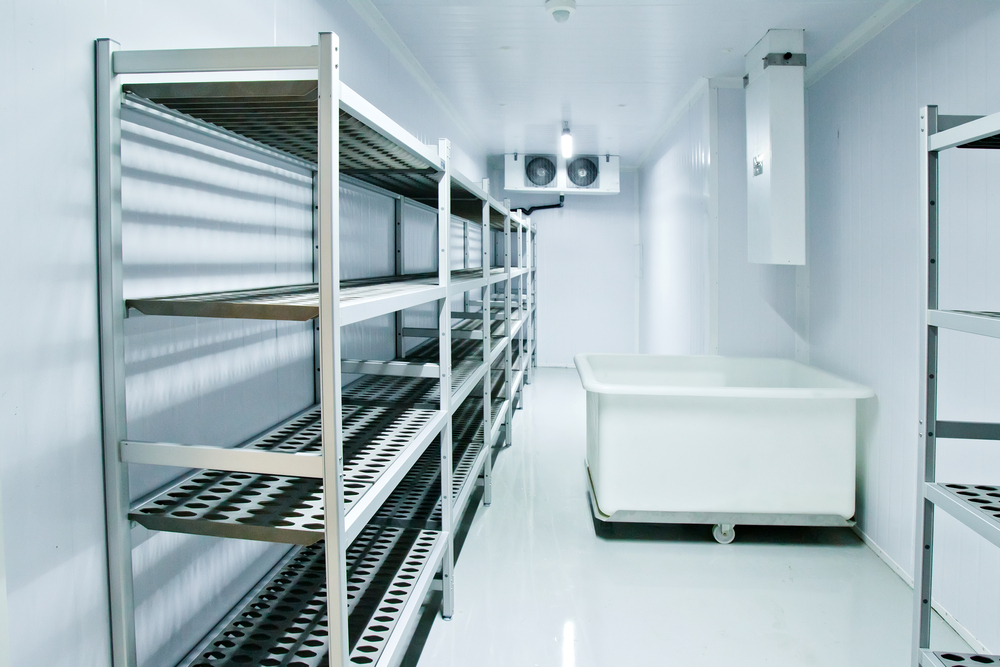
In Oregon, where the food service industry is both competitive and environmentally conscious, maintaining efficient refrigeration systems is crucial for restaurants and markets. A walk-in cooler or commercial freezer that runs inefficiently not only drives up energy costs but can also compromise food safety and increase repair expenses. Whether you’re in bustling Portland or the culinary scenes of Eugene, prioritizing walk-in cooler tips and commercial freezer efficiency can directly impact your bottom line and operational sustainability.
Optimize Location and Insulation
The first step in enhancing walk-in cooler efficiency is considering its physical location. Restaurants and markets in Oregon often place these units in basements or storage rooms, but if the space lacks adequate ventilation or is exposed to fluctuating ambient temperatures, the refrigeration system will have to work harder. This is especially true in cities like Eugene, where seasonal weather shifts can affect indoor temperature regulation. Install walk-in units in areas that remain cool and dry, away from direct sunlight and equipment that generates heat.
Equally important is the insulation. High-quality insulation slows down heat transfer, reducing the energy load on compressors. Inspect the condition of wall panels, ceiling tiles, and gaskets. Deteriorated or damp insulation can introduce moisture and mold, leading to energy inefficiency and health violations. Regular checks ensure that the cooler’s envelope is intact, minimizing thermal gain and helping maintain consistent temperatures. Investing in upgraded insulation can yield long-term savings by keeping your cooler or freezer running efficiently.
Maintain Seals and Door Closures
One of the most overlooked aspects of restaurant refrigeration maintenance is the integrity of the cooler’s doors. Door seals, or gaskets, must form a tight seal every time the door is closed. A worn or torn gasket lets in warm, moist air, forcing the refrigeration system to compensate by running more frequently. This leads to higher electricity consumption and accelerates wear and tear on the system.
In Oregon’s humid coastal regions, moisture intrusion is a serious concern. Doors should be self-closing, and hinges must be adjusted to ensure a snug fit. Check gaskets monthly for signs of cracking, mold, or compression fatigue. Clean them with mild detergent to remove food particles and debris that may compromise the seal. Additionally, train staff to avoid propping open cooler doors during deliveries or peak kitchen activity. Even a few minutes of warm air intrusion can destabilize internal temperatures and impact both energy use and food safety.
Regularly Service and Monitor Components
Preventive maintenance is essential for reliable performance and longevity. Commercial coolers and freezers should be serviced at least twice a year by certified technicians who understand the unique requirements of restaurant refrigeration maintenance. These professionals can inspect refrigerant levels, test thermostat calibration, clean evaporator and condenser coils, and check for mechanical issues.
In regions like Eugene, where environmental regulations are stringent, proper refrigerant handling during servicing is not only efficient but also mandatory. Monitoring components like fans, compressors, and electrical controls ensures that any minor issue is detected before it evolves into a major failure. For example, a misaligned fan blade or a loose wiring connection can reduce airflow or cause erratic temperature control, leading to spoiled inventory and emergency repair costs.
Advanced monitoring systems can provide real-time data on cooler performance, energy usage, and temperature trends. These systems can send alerts when temperatures exceed safe thresholds or if a door is left open for too long. Such smart systems are becoming more popular in Oregon’s tech-forward food industry, offering owners peace of mind and compliance with local health codes.
Address Common Walk-In Cooler Troubleshooting Issues
Despite best efforts, problems with walk-in units can still occur. Knowing how to troubleshoot common issues can save valuable time and reduce downtime. One frequent problem is the accumulation of ice inside the cooler or around evaporator coils. This can result from poor airflow, door seal issues, or blocked drainage. In most cases, identifying the cause early can prevent compressor overloads or water damage to stored products.
Another common issue is temperature fluctuation. This may stem from a faulty thermostat, a refrigerant leak, or even excessive door openings. If the cooler is struggling to maintain the desired temperature, check the door gaskets, airflow obstructions, and verify the accuracy of the temperature controller. In more complex situations, such as inconsistent compressor cycling or high humidity inside the cooler, a professional technician should be called to assess the system.
Noise is another indicator that should not be ignored. Grinding, hissing, or rattling sounds can signal motor or fan failure. Addressing these early prevents more extensive damage and extends the life of your equipment. Oregon restaurants are increasingly prioritizing proactive walk-in cooler troubleshooting to avoid interruptions during service hours and maintain food quality.
Implement Energy-Saving Practices in Daily Operations
Beyond technical maintenance, daily habits and operational protocols play a big role in walk-in cooler and freezer efficiency. Staff should be trained on the importance of minimizing door openings and organizing stored items to reduce the time spent searching for products. Simple adjustments in workflow, like prepping items outside the cooler or grouping commonly used items together, can significantly reduce door-open time.
Defrosting the unit regularly, even if automatic defrost is enabled, helps eliminate any ice buildup that can strain the system. Night covers, motion-sensor lighting, and energy-efficient fan motors can also contribute to lower power usage. In Oregon, where many businesses are eligible for energy efficiency rebates and sustainability incentives, investing in these upgrades can pay off quickly.
Furthermore, reviewing utility bills and tracking power consumption allows businesses to identify trends and anomalies. A sudden spike in energy use could point to an underlying issue with the refrigeration system, prompting further investigation before the problem worsens. Energy audits, offered by many local utilities in Oregon, are an excellent way to gain professional insight into how your walk-in units can operate more efficiently.
Conclusion
Restaurants and markets in Oregon, from Portland’s trendy eateries to Eugene’s community-focused grocers, rely heavily on efficient walk-in coolers and freezers to support their daily operations. Keeping these systems in top condition involves a mix of proper installation, routine maintenance, proactive troubleshooting, and mindful daily practices. By following proven walk-in cooler tips and focusing on commercial freezer efficiency, food service operators can reduce energy costs, improve food safety, and extend the lifespan of their valuable refrigeration assets.
With a strong commitment to restaurant refrigeration maintenance and a keen eye on operational efficiency, Oregon’s food businesses can stay ahead of both regulatory expectations and customer demands. The right practices don’t just preserve perishable goods; they preserve your business’s reputation and bottom line.
Need Commercial Refrigeration, Heating and Cooling in Eugene, OR?
Call American Refrigeration for all your commercial heating, ventilation & cooling needs! Founded in 1995, American Refrigeration has been proudly serving the Eugene & Portland areas with honesty & integrity for over 19 years. We specialize in commercial HVAC, air conditioning & heating repair, including medical laboratories and winery chillers. Emergency Repair is available 24/7 and we honor manufacturer rebates & warranties. Contact us today!