Commercial Refrigeration Maintenance Plans in Eugene — What a Monthly or Quarterly PM Visit Actually Prevents (Gaskets, Coils, Temps, Ice Machines)
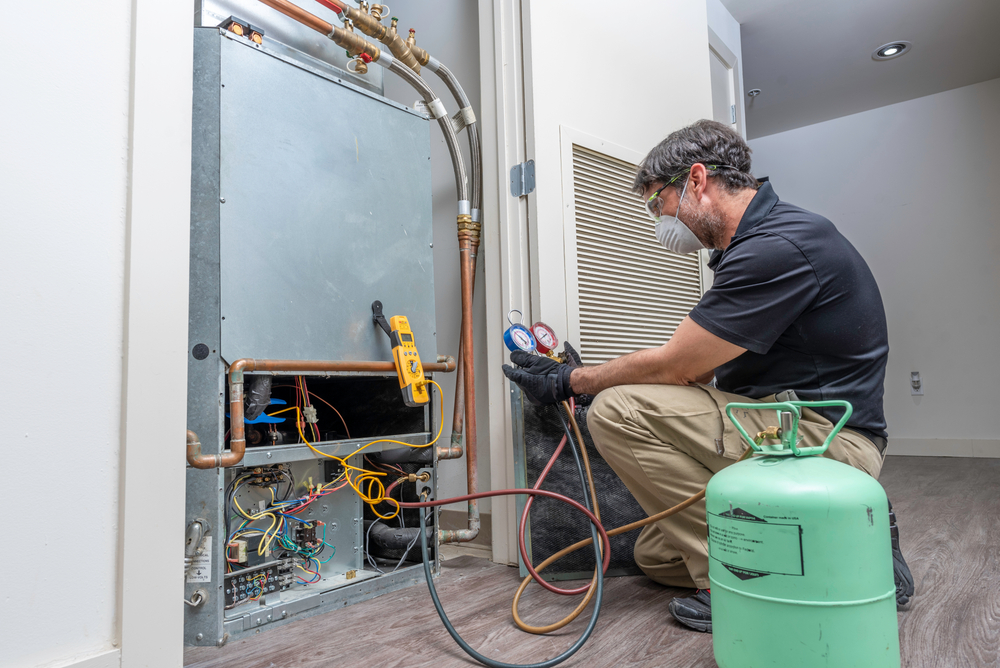
A walk-in cooler that runs a little warmer, an ice machine producing less ice, or a reach-in door that no longer seals tightly can seem like minor problems during a busy shift. For Eugene restaurants, markets, breweries, commercial kitchens, and other businesses, those small changes can be early signs of refrigeration problems that eventually lead to downtime, product loss, or emergency repairs.
Preventive maintenance gives operators a chance to catch those problems before equipment performance noticeably deteriorates.
Quick answer: A monthly or quarterly commercial refrigeration maintenance visit typically focuses on the conditions that cause equipment to work harder or become unreliable. That can include dirty condenser and evaporator coils, deteriorating door gaskets, incorrect temperatures, drainage problems, electrical issues, and ice machine buildup. The right frequency depends on equipment type, operating hours, environment, and how critical the equipment is to daily operations.
What local businesses should know
-
Door gaskets should seal completely because leaking doors allow warm, moist air into refrigerated spaces and increase the workload on the system.
-
Restaurants and food-service operations with heavily used equipment may need more frequent attention than lower-use commercial refrigeration systems.
-
Eugene’s seasonal moisture and warmer summer periods can change refrigeration loads, making consistent temperature monitoring especially useful.
-
Ice machines need their own maintenance attention because water-contact surfaces, airflow, drains, and refrigeration components can develop problems independently.
-
Preventive maintenance is designed to identify developing issues, not guarantee that equipment will never experience a breakdown.
Why Does Preventive Refrigeration Maintenance Matter in Eugene?
Preventive refrigeration maintenance matters in Eugene because commercial equipment often runs continuously while operating conditions change with seasons, customer traffic, kitchen heat, moisture, and equipment use. A system that is already struggling may have far less room for additional load when temperatures rise or a restaurant enters a busy service period.
Lane County businesses also operate through wet winters, warmer summer stretches, and periods when outdoor debris or airborne contaminants can affect exposed equipment. Restaurants around Downtown Eugene, the University of Oregon area, Whiteaker, and commercial corridors such as West 11th Avenue may also have equipment operating long hours.
American Refrigeration Inc works with commercial systems in the area. When we perform preventive maintenance, the objective is straightforward: find conditions that can reduce refrigeration performance before they become more disruptive.
What Does a Monthly or Quarterly PM Visit Actually Prevent?
A monthly or quarterly PM visit helps prevent avoidable refrigeration problems caused by neglected coils, poor door seals, temperature drift, drainage issues, worn components, and other developing equipment conditions. The exact inspection and service tasks should match the equipment and operating environment rather than follow a one-size-fits-all checklist.
Common attention points include:
-
Condenser and evaporator coil condition
-
Door gaskets and closures
-
Refrigerated space temperatures
-
Controls and thermostats
-
Fans and airflow
-
Electrical components and connections
-
Drain and condensate conditions
-
Ice machine operation and cleanliness
-
Unusual noise, vibration, frost, or ice buildup
A quarterly schedule may make sense for some systems. High-use equipment, particularly in busy food-service environments, may justify monthly attention.
What Do Local Energy Programs Tell Us About Refrigeration Efficiency?
Local energy programs reinforce that controlling heat infiltration and improving refrigeration components can reduce the load placed on commercial refrigeration equipment. Eugene Water & Electric Board currently offers commercial refrigeration incentives for qualifying measures including strip curtains, efficient evaporator fan motors, anti-sweat heater controls, and refrigerated display case door retrofits.
EWEB specifically notes that strip curtains on qualifying walk-ins help keep cold air inside while limiting warm-air infiltration. Its commercial refrigeration program also addresses efficient fan motors and display-case doors.
Those programs are focused on qualifying efficiency upgrades rather than routine maintenance, but they illustrate an important principle for local operators: reducing unnecessary refrigeration load matters.
What Warning Signs Suggest Refrigeration Maintenance Is Overdue?
Refrigeration maintenance may be overdue when equipment starts showing temperature changes, longer run times, frost, damaged seals, reduced ice production, unusual noises, or repeated minor operating problems. These symptoms should not automatically be treated as proof of one specific failure because several refrigeration issues can produce similar warning signs.
Watch for:
-
Walk-in or reach-in temperatures becoming inconsistent
-
Cracked, loose, or visibly damaged door gaskets
-
Doors that no longer close or seal properly
-
Excessive frost or unexpected ice accumulation
-
Condenser areas coated with dirt or debris
-
Ice machines producing less ice than normal
-
Water appearing where it normally does not
-
Fans, compressors, or other components sounding different than usual
For an area business that depends on refrigeration throughout the day, documenting changes early can make professional diagnosis easier.
How Do Dirty Coils and Bad Gaskets Cause Problems?
Dirty coils and deteriorated gaskets can force refrigeration equipment to work under less favorable conditions by interfering with heat transfer or allowing unwanted heat and moisture into refrigerated spaces. Both problems can develop gradually, which is why they are easy to overlook during normal business operations.
Condenser coils need airflow to reject heat. Accumulated grease, dust, lint, or debris can interfere with that process. Kitchens may be particularly demanding because airborne grease and cooking residue can contribute to buildup.
A damaged gasket creates a different problem. Instead of keeping the refrigerated space isolated, the door can allow warmer air and moisture inside. That can contribute to longer run times, condensation, frost, and temperature-control problems.
Why Should Ice Machines Be Included in a Maintenance Plan?
Ice machines should be included because they combine refrigeration, water, drainage, and food-contact considerations in one piece of equipment. An ice machine can continue operating while gradually losing production or developing buildup, so routine inspection can reveal changes that staff may not notice until ice supply becomes inadequate.
During a busy weekend at a restaurant near Downtown, campus, or the Fifth Street area, reduced ice production can quickly become an operational problem.
Staff can monitor production, visible cleanliness, leaks, unusual noises, and obvious changes in ice quality. Cleaning, sanitation, adjustment, diagnosis, and refrigeration-system work should follow manufacturer requirements and appropriate professional procedures.
When Should a Eugene Business Call a Refrigeration Professional?
A Eugene business should call a refrigeration professional when temperatures cannot be maintained, equipment repeatedly cycles or alarms, ice or frost becomes excessive, components make abnormal noises, leaks appear, or routine observations suggest the system is no longer operating normally. Temperature problems involving stored products should be addressed promptly rather than waiting for the next scheduled PM visit.
Employees can safely perform basic visual monitoring, keep equipment areas unobstructed, record temperatures as appropriate for the operation, and report changes.
Electrical troubleshooting, refrigerant-system diagnosis, component replacement, and other technical work belong with qualified service personnel.
What Common Conditions Put Extra Stress on Commercial Refrigeration?
The most common conditions that increase refrigeration stress are restricted airflow, dirty heat-transfer surfaces, frequent door openings, poor door seals, heavy operating loads, and neglected maintenance. In Eugene, the importance of each factor varies considerably between a restaurant kitchen, grocery operation, brewery, convenience store, and other commercial facility.
A busy University District food operation may open a walk-in repeatedly during service. A grocery business may depend on display cases for long operating hours. A commercial kitchen may expose condenser surfaces to more grease than equipment in a cleaner environment.
Maintenance frequency should reflect those differences.
How Can Eugene Businesses Prevent Refrigeration Problems Between Visits?
Businesses can prevent some refrigeration problems between professional visits by monitoring temperatures, protecting airflow, inspecting door seals, keeping equipment areas clean, and reporting unusual operation quickly. These simple checks do not replace professional PM service, but they can help staff identify changes before the next scheduled visit.
Managers can periodically look for torn gaskets, doors that do not close correctly, blocked air paths, unexpected frost, water around equipment, unusual sounds, and unexplained temperature changes.
Seasonal planning also helps. Scheduling service before a high-volume summer period may reveal problems before equipment faces heavier loads.
What Results Should You Expect From Preventive Maintenance?
Preventive maintenance should provide better visibility into equipment condition, identify developing problems, and help commercial operators plan service instead of relying entirely on emergency response. It cannot eliminate every unexpected failure, particularly with aging equipment, but it creates regular opportunities to catch maintenance-related problems and document system condition.
For businesses from Eugene to Springfield and surrounding Lane County communities, that planning can be especially valuable when refrigeration is central to daily operations.
A useful PM visit should leave the operator with a clearer understanding of what was checked, what needs attention now, and what may need attention later.
What Refrigeration Maintenance Mistakes Should Businesses Avoid?
The biggest refrigeration maintenance mistakes are waiting for complete failure, assuming temperature alone tells the whole story, ignoring damaged gaskets, and treating every piece of equipment as if it needs the same schedule.
Mistake: Waiting until a cooler stops cooling.
Consequence: A developing issue may become an urgent operational problem.
Better approach: Use routine inspections to identify abnormal conditions earlier.
Mistake: Ignoring a torn door gasket because the unit still reaches temperature.
Consequence: Warm-air infiltration can add unnecessary load.
Better approach: Inspect seals and correct damaged components appropriately.
Mistake: Putting every unit on the same PM interval.
Consequence: High-use equipment may receive too little attention while lower-use equipment may not need the same frequency.
Better approach: Base frequency on equipment, environment, operating hours, and business criticality.
What Is a Common Local Refrigeration Scenario?
A common local scenario is a busy food-service operation noticing that a walk-in runs longer or struggles more during periods of heavy use. This is not a case study, but it illustrates why preventive inspection can matter.
The cause could involve a dirty condenser, deteriorated gasket, airflow restriction, control issue, or another mechanical condition. Instead of waiting for the cooler to stop maintaining temperature, a PM visit gives a technician an opportunity to inspect the system and determine whether corrective work is appropriate.
What Commercial Refrigeration Services Support Preventive Maintenance?
Commercial refrigeration services support preventive maintenance through scheduled inspections, cleaning where appropriate, performance checks, diagnosis, adjustments, and recommendations for developing repair needs. Walk-ins, reach-ins, freezers, display equipment, prep refrigeration, and commercial ice machines can have different maintenance requirements.
For businesses that depend heavily on cold storage, the most useful maintenance plan is one built around actual equipment and operating conditions rather than a generic calendar.
Is Monthly or Quarterly Refrigeration Maintenance Better?
Monthly maintenance is generally better suited to equipment with demanding operating conditions, while quarterly maintenance can be appropriate for systems with lower service needs and stable operating environments. The correct choice depends on equipment type, manufacturer guidance, cleanliness, usage, age, criticality, and previous service history.
A restaurant with multiple coolers, freezers, prep tables, and ice machines may have different needs from a smaller facility with only a few refrigeration assets.
Professional evaluation can help determine a practical interval.
What Areas Can a Local Refrigeration Plan Cover?
A local refrigeration plan can support businesses throughout Eugene and nearby Lane County communities when service availability and equipment needs align. Businesses in areas such as Downtown, Whiteaker, the University District, Bethel, and surrounding commercial corridors may benefit from maintenance schedules built around operating demands.
Nearby Springfield businesses face many of the same refrigeration planning concerns.
What Can It Cost to Ignore Preventive Refrigeration Maintenance?
Ignoring preventive maintenance can turn manageable conditions into larger operational problems, including temperature instability, increased equipment stress, emergency service needs, and possible business disruption. The exact financial impact depends on the equipment, inventory, timing, and nature of the failure.
For a local restaurant or food retailer, refrigeration trouble during a busy service period is very different from discovering a maintenance issue during a planned inspection.
FAQ
How often should commercial refrigeration be serviced in Eugene?
Commercial refrigeration service frequency depends on equipment type, operating hours, environment, manufacturer requirements, and how heavily the system is used. Some Eugene businesses may benefit from monthly preventive visits, while quarterly service may suit other equipment. A technician can evaluate the actual refrigeration inventory and recommend an appropriate schedule.
What should a refrigeration PM visit include?
A refrigeration PM visit should evaluate the components and conditions most likely to affect reliable operation. Depending on the equipment, that can include coils, gaskets, temperatures, controls, fans, electrical components, drainage, frost patterns, and general equipment condition. Ice machines should receive maintenance appropriate to their manufacturer requirements and use.
Do Eugene restaurants need monthly refrigeration maintenance?
Some Eugene restaurants may benefit from monthly refrigeration maintenance because kitchen equipment can operate long hours under heavy loads and frequent door openings. Monthly service is not automatically necessary for every business, however. Equipment quantity, age, kitchen conditions, service history, manufacturer guidance, and business criticality should help determine the interval.
Can a bad cooler gasket really cause refrigeration problems?
Yes, a damaged cooler gasket can allow warmer, moisture-containing air to enter the refrigerated space and increase the load on the system. Eugene-area restaurant and market staff can visually check gaskets for tears, gaps, looseness, or doors that fail to close properly and request service when problems appear.
Why does my commercial ice machine make less ice during busy periods?
Reduced ice production can result from several conditions, including increased demand, airflow problems, water-related issues, buildup, refrigeration problems, or component faults. Because multiple causes can produce similar symptoms, Eugene businesses should avoid assuming the machine simply cannot keep up, especially when production has changed from its normal pattern.
Does EWEB offer incentives for commercial refrigeration?
Yes, EWEB currently lists commercial refrigeration incentives for qualifying energy-efficiency measures. Examples include certain efficient evaporator fan motors, anti-sweat heater controls, strip curtains, and refrigerated display case door retrofits. Eligibility and program requirements can change, so businesses should confirm current EWEB requirements before planning an upgrade.
Should Springfield businesses use the same PM schedule as Eugene businesses?
Not necessarily, because maintenance frequency should be based more on equipment and operating conditions than the city boundary. Businesses in Springfield and Eugene experience similar regional conditions, but a high-volume restaurant, grocery store, and low-use commercial facility can have very different refrigeration loads and preventive maintenance needs.
Can employees clean commercial refrigeration equipment themselves?
Employees can handle appropriate routine housekeeping and visual checks, but technical refrigeration maintenance should be left to qualified professionals. Staff can keep accessible equipment areas clear and monitor temperatures, gaskets, visible debris, leaks, and unusual sounds. Electrical, refrigerant, mechanical, and manufacturer-specified technical procedures require appropriate expertise.
Build a Refrigeration Maintenance Plan Around Your Eugene Business
Preventive refrigeration maintenance works best when the schedule reflects the equipment, operating environment, and consequences of downtime. Whether a facility needs monthly attention, quarterly visits, or another interval, regular inspection can help identify developing problems with coils, gaskets, temperatures, ice machines, and other critical components.
Keep Refrigeration Problems From Becoming Business Interruptions
We can help evaluate your commercial refrigeration equipment and discuss a preventive maintenance approach suited to your Eugene-area operation.