
Winery Chiller and Distillery Refrigeration Repair in The Eugene Area — Harvest Temps, Glycol vs Standard Walk-Ins, Wine Vaults
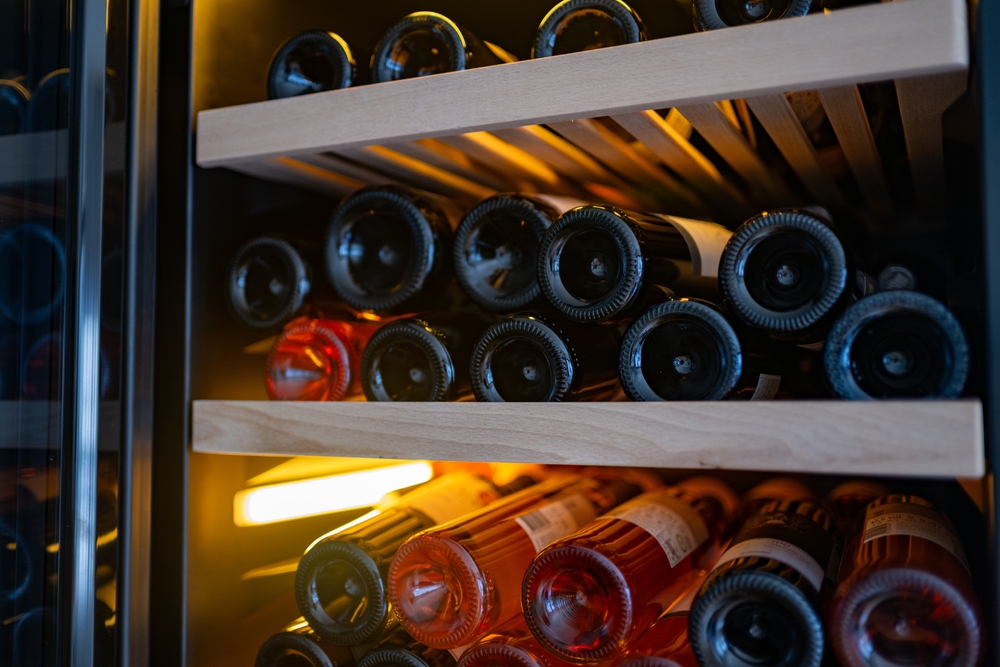
Harvest and production season can put refrigeration equipment under a different kind of pressure than the rest of the year. Around Eugene and the southern Willamette Valley, wineries and distilleries may depend on chillers, glycol loops, walk-in coolers, and temperature-controlled storage at the same time production demands are at their highest.
A system that seemed adequate during a lighter month can become a production problem when tanks need cooling, product needs stable storage, and equipment is running for longer cycles.
Quick answer: Winery and distillery refrigeration problems should be addressed quickly when they affect fermentation temperature, cold storage, production equipment, or finished-product conditions. Glycol systems are generally suited to process cooling and multiple temperature-controlled loads, while conventional walk-ins are designed primarily for refrigerated rooms. Wine vaults have different requirements because stable, controlled storage matters more than rapid process cooling.
What local producers should know
-
Oregon wine harvest generally falls from September into October, so refrigeration reliability becomes especially important when fruit and fermentation activity arrive in a compressed production window.
-
Southern Willamette Valley producers can experience substantial swings between warm late-summer afternoons and cooler fall conditions, which change refrigeration loads throughout harvest.
-
A glycol chiller and a standard walk-in refrigeration system perform different jobs and should not be treated as interchangeable equipment.
-
Eugene-area wineries, tasting rooms, distilleries, and beverage facilities may have several refrigeration loads operating under one roof, making accurate diagnosis more important than simply lowering a thermostat.
-
Temperature instability, unusually long run times, icing, fluid leaks, or declining cooling capacity can signal a problem before a complete shutdown occurs.
Why Refrigeration Reliability Matters During Eugene-Area Harvest
Refrigeration reliability matters during Eugene-area harvest because September and October can bring concentrated production activity at the same time cooling systems are handling fermentation, storage, and processing loads. A small refrigeration problem that is manageable during a quiet month can become disruptive once tanks are active and cooler space is fully occupied.
The Oregon Wine Board identifies September through October as the typical Oregon harvest period, with timing varying by vineyard, grape variety, weather, and vintage. In the southern Willamette Valley, production may involve fruit arriving from areas around Eugene, Junction City, Veneta, Lorane, and the surrounding Lane County wine country.
That timing makes preventive inspection particularly valuable before crush begins.
American Refrigeration Inc works with commercial refrigeration systems in the Eugene area. After that first inspection or service call, we can help determine whether a problem originates in the refrigeration circuit, controls, pumps, airflow, heat rejection, or another part of the cooling system.
What Local Data and Harvest Patterns Tell Us
Local harvest patterns show that winery cooling demand can rise quickly rather than gradually, making refrigeration readiness before fruit arrives especially valuable. Oregon Wine Board information places the main statewide harvest season in September and October, while individual vintages may begin earlier or stretch later.
The Willamette Valley extends south toward Eugene and contains a major concentration of Oregon vineyards and wineries. Recent Oregon harvest reports also demonstrate how weather can shift timing. Some vintages bring a compressed picking window, while others continue well into October.
For refrigeration planning, the lesson is practical: do not assume last year’s operating schedule will perfectly match this year’s cooling demand.
Facilities near the Lower Long Tom AVA, Lorane, Cottage Grove, Springfield, and other parts of Lane County may all see different fruit arrival schedules while sharing the same regional harvest pressures.
How Refrigeration Problems Affect Wineries and Distilleries
Refrigeration problems affect wineries and distilleries by reducing temperature control, limiting usable production capacity, and creating avoidable downtime during time-sensitive operations. The impact can extend beyond one warm room if the same chiller or condensing system serves several tanks or spaces.
For wineries, declining cooling capacity may make it harder to maintain desired fermentation or storage conditions. For distilleries and other beverage producers, refrigeration can support process equipment, product storage, cold rooms, or other temperature-sensitive operations.
A service problem can also create operational bottlenecks. If one walk-in is unavailable, staff may have to rearrange inventory. If a glycol system loses capacity, several cooling points can be affected simultaneously.
Warning Signs Your Winery Chiller or Refrigeration System Needs Service
Common warning signs include unstable temperatures, extended run times, icing, unusual noises, fluid leaks, and equipment that no longer reaches its normal setpoint. These symptoms deserve attention before production demand increases around Eugene and the southern Willamette Valley.
Watch for:
-
Tank or room temperatures drifting above the intended range.
-
A chiller running much longer than usual to satisfy the same load.
-
Ice developing on evaporators, piping, or refrigeration components.
-
Glycol or other fluid appearing around pumps, fittings, or piping.
-
Pumps cycling irregularly or producing unfamiliar sounds.
-
Condensing equipment repeatedly shutting down or restarting.
-
Walk-in doors sweating excessively or failing to seal properly.
-
Temperature differences between spaces or tanks that previously performed consistently.
A single symptom does not automatically identify the failed component. Refrigeration systems need to be evaluated as a system rather than diagnosed from temperature alone.
When Should an Eugene Winery or Distillery Call a Refrigeration Professional?
Call a refrigeration professional when cooling capacity is declining, temperatures cannot be maintained, equipment is repeatedly cycling off, or a leak or electrical problem is visible. These conditions can become more disruptive during harvest because refrigeration loads may remain elevated for extended periods.
Staff can safely monitor temperature logs, check that doors close properly, keep air paths unobstructed, and note when symptoms occur.
Troubleshooting involving refrigerant circuits, electrical components, control systems, pumps, or internal equipment should be handled by qualified service personnel.
The earlier a developing problem is documented, the more information a technician has when diagnosing it.
Glycol Chillers vs. Standard Walk-In Refrigeration
Glycol chillers are generally designed for process cooling through a circulated fluid loop, while standard walk-in systems directly refrigerate an enclosed storage space. Eugene-area wineries may use both because fermentation tanks and refrigerated inventory have different cooling requirements.
A glycol system can serve multiple tanks or process loads from a central chiller. The cooled fluid circulates through piping to equipment where heat must be removed.
A walk-in cooler typically uses an evaporator inside the room and a refrigeration system that removes heat from the enclosed air.
Choosing between them is therefore less about which system is “better” and more about the job being performed.
For process cooling, tank temperature control, or multiple distributed loads, glycol may make sense. For cases, kegs, ingredients, packaged product, or general refrigerated storage, a conventional walk-in may be the more appropriate solution.
Common Local Causes of Refrigeration Trouble
The most common causes of refrigeration trouble are airflow restrictions, dirty heat-transfer surfaces, control problems, refrigerant issues, pump or fluid problems, and equipment wear under sustained loads. Harvest-season operation around Eugene can expose weaknesses that were less noticeable earlier in the year.
Outdoor condensers can lose performance when coils accumulate debris or airflow becomes restricted. Walk-in evaporators may struggle if ice blocks airflow. Door gaskets and closers can increase cooling load when warm air repeatedly enters a refrigerated room.
Glycol systems introduce additional areas to inspect, including circulation pumps, fluid condition, piping, valves, and controls.
The correct repair depends on determining where cooling performance is actually being lost.
How to Prepare Refrigeration Equipment Before Harvest
The best harvest preparation is to test refrigeration equipment under realistic operating conditions before the busiest production period begins. For Lane County wineries, late summer is a useful time to look for declining capacity instead of discovering it after tanks and cold rooms are already full.
Safe preparation steps include checking temperature records, examining door seals, keeping condenser areas clear, verifying that drains remain open, and watching equipment through a complete operating cycle.
For glycol equipment, operators can also look for visible leaks and unusual pump behavior without opening electrical panels or refrigeration components.
Professional maintenance can go further by evaluating system operation and identifying conditions that may become problems under heavier loads.
What to Expect After Refrigeration Repair
After a successful refrigeration repair, operators should expect temperatures to stabilize and equipment behavior to return closer to its normal operating pattern, provided the system is correctly sized and no additional problems remain. Repair results depend on the condition, design, load, and age of the equipment.
A repair may address a failed component, control issue, airflow problem, leak, or other specific fault. In some cases, the service visit may reveal that several factors are contributing to poor performance.
Monitoring temperature and equipment operation after service is useful, especially during active fermentation or heavy walk-in use.
Common Refrigeration Mistakes During Harvest
The most costly harvest-season refrigeration mistakes usually involve postponing known problems, blocking airflow, changing controls without understanding the system, or expecting one type of refrigeration equipment to perform another system’s job.
Mistake: Ignoring slow temperature drift.
Consequence: Available cooling capacity may continue declining as production load increases.
Better approach: Document the temperature trend and arrange diagnosis before the system stops maintaining setpoint.
Mistake: Packing a walk-in so tightly that airflow is restricted.
Consequence: Product temperature can become uneven and the evaporator may operate less effectively.
Better approach: Preserve adequate airflow around the evaporator and stored product.
Mistake: Repeatedly changing controls to compensate for poor performance.
Consequence: The adjustment may hide the original problem without restoring cooling capacity.
Better approach: Find out why the system is no longer operating normally.
A Common Eugene-Area Harvest Scenario
A common local scenario is a winery entering active harvest with a refrigeration system that worked acceptably during summer but begins struggling once several cooling loads come online together. This is not a specific customer case, but it illustrates why refrigeration capacity can appear adequate until production intensifies.
A winery outside Eugene might begin filling tanks while also increasing traffic through refrigerated storage. Longer equipment run times appear first. A tank then cools more slowly than expected or a walk-in starts drifting above its normal range.
At that point, diagnosis should focus on the actual refrigeration load and system operation rather than assuming the thermostat itself is the problem.
Wine Vault Refrigeration Requires Stable Control
Wine vault refrigeration should prioritize steady storage conditions rather than the rapid pull-down or heavy process loads expected from winery production equipment. A dedicated wine room or vault therefore should not automatically be treated like a restaurant walk-in cooler.
Wine storage spaces may require equipment selected for their intended temperature range, room construction, insulation, vapor control, and expected usage.
Around Eugene, wine vaults may be located in tasting facilities, restaurants, private collections, wineries, or hospitality properties. Diagnosing poor performance means looking at the refrigeration equipment and the room itself, including doors, insulation, heat gain, and how often the space is accessed.
Related Refrigeration Service Solutions
The right refrigeration service depends on whether the problem involves process chilling, refrigerated storage, wine-vault conditioning, or supporting components such as controls and pumps. Identifying the equipment’s actual role is the first step toward an appropriate repair.
Our service evaluation can help determine what is preventing a chiller, walk-in, or related refrigeration system from maintaining the conditions the facility requires.
Repair, Maintenance, or System Evaluation: Which Do You Need?
Repair is appropriate for a known malfunction, maintenance helps identify developing problems, and a broader system evaluation is useful when cooling performance no longer matches production requirements. The right option depends on what the equipment is doing now and how it is expected to operate during peak demand.
Emergency repair addresses immediate loss of cooling. Preventive maintenance is better suited to catching wear, airflow problems, control concerns, or other developing conditions before production is at full load.
If equipment operates normally but cannot handle current demand, the question may involve system capacity or application rather than a simple failed part.
Refrigeration Service Areas Around Eugene
Eugene is the primary local focus, with commercial refrigeration needs extending throughout nearby Lane County communities and the southern Willamette Valley. Facilities in Springfield, Junction City, Veneta, Cottage Grove, Lorane, and surrounding wine-country areas can face similar harvest and production refrigeration challenges.
Service availability for a specific location or system should be confirmed directly when scheduling.
What Does Delaying Refrigeration Repair Cost?
Delaying refrigeration repair can turn a manageable performance problem into production downtime, lost usable cooler space, or a more disruptive service call during harvest. The risk is especially significant when several process loads depend on one refrigeration system.
A system that still cools somewhat can be easy to postpone. However, gradual temperature drift, repeated alarms, icing, or longer cycles are signs worth investigating rather than accepting as normal seasonal behavior.
FAQ
When is winery refrigeration most critical around Eugene?
Winery refrigeration is especially important during harvest and active fermentation, typically beginning in late summer and continuing through fall depending on the vintage. Oregon Wine Board information generally places harvest in September and October, although actual picking dates vary. Cooling demand can rise quickly once fruit arrives and tanks become active.
Do Eugene-area wineries need glycol chillers?
Glycol chillers are useful when a winery needs centralized process cooling for tanks or multiple distributed loads, but not every winery requires the same configuration. The correct system depends on production volume, tank setup, desired temperatures, piping design, and other loads. A conventional walk-in serves a different purpose.
Is a glycol system the same as a walk-in cooler?
No. A glycol system circulates cooled fluid to process equipment or other loads, while a conventional walk-in typically cools the air inside an insulated room using an evaporator. Many Lane County beverage facilities may use both systems because production cooling and refrigerated storage require different approaches.
What temperature should winery glycol be set to?
The proper glycol temperature depends on the equipment, product, process, fluid concentration, heat load, and system design. There is no single setting that is correct for every Eugene-area winery. Operators should follow the specifications for their equipment and production process rather than lowering the setpoint simply to compensate for declining performance.
Why is my winery chiller running constantly during harvest?
Continuous operation may indicate a heavy legitimate cooling load, but it can also point to reduced heat transfer, airflow problems, control issues, refrigerant problems, pump concerns, or insufficient capacity. If an Eugene-area system suddenly runs much longer than it did under comparable conditions, professional diagnosis is appropriate.
Can a standard walk-in cooler be used as a wine vault?
A standard walk-in should not automatically be treated as a wine vault because the operating requirements may differ. Wine-storage performance depends on the intended temperature, room construction, controls, equipment selection, and usage. The refrigeration system should be matched to the specific storage conditions the Eugene-area property needs.
Should a winery schedule refrigeration maintenance before harvest?
Yes. Pre-harvest maintenance provides an opportunity to find developing refrigeration problems before tanks, coolers, and process equipment are operating under peak demand. For wineries around Eugene, Lorane, Junction City, and the southern Willamette Valley, checking refrigeration in late summer can reduce the chance of discovering problems during crush.
What can winery staff safely check before calling for repair?
Staff can review temperature records, look for visible leaks or ice, make sure airflow is not blocked, inspect walk-in door seals, and record unusual sounds or cycling patterns. Refrigerant, electrical, compressor, and internal control work should be left to qualified refrigeration professionals.
Keep Harvest Cooling Reliable in the Eugene Area
Reliable refrigeration gives winery and distillery teams one less variable to manage during a demanding production season. Knowing whether a problem involves process chilling, walk-in storage, wine-vault conditions, or another refrigeration component helps move the facility toward the right solution.
Protect Your Cooling Capacity Before Production Is on the Line
We help local commercial facilities identify refrigeration problems and determine the appropriate next step for their equipment and application.