Commercial Ice Machine Repair in Eugene — Why Restaurants and Bars Lose Ice Overnight, What Usually Failed, When To Call
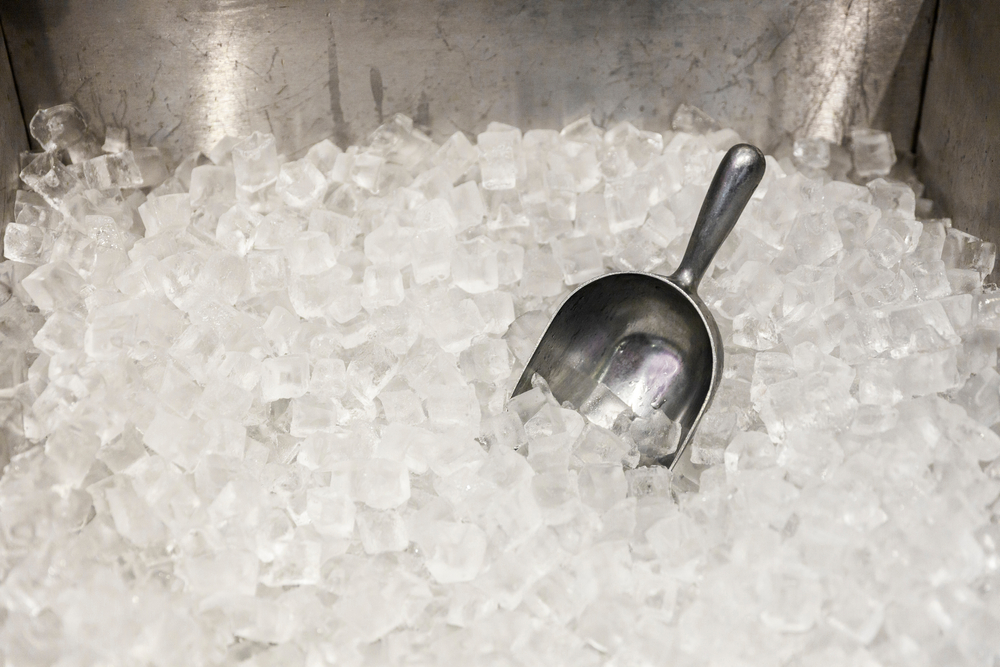
A restaurant can close with a healthy ice bin and open the next morning to find far less ice than expected. For bars, restaurants, cafés, breweries, hotels, and other food-service businesses in Eugene, an overnight ice shortage can quickly become an opening-shift problem that affects drinks, food prep, and customer service.
The frustrating part is that the machine may still appear to be running. Slow production, incomplete harvest cycles, restricted water flow, poor condenser airflow, or a refrigeration problem can reduce output for hours before anyone notices.
Quick answer: When a commercial ice machine loses ice overnight, the problem is usually either that the machine stopped producing ice normally or that production fell below the rate at which stored ice was melting or being used. Dirty condensers, water-flow restrictions, clogged filters, freeze or harvest-cycle problems, controls, and refrigeration-system faults are common possibilities. If basic cleaning and operating checks do not reveal the cause, commercial refrigeration service is the safer next step.
What local restaurant and bar operators should know
-
An ice machine that still makes some ice can have a significant problem because reduced production may not become obvious until the bin fails to refill overnight.
-
Eugene’s warmer summer periods can increase both beverage demand and the workload on air-cooled commercial equipment.
-
Downtown Eugene, the University District, Whiteaker, and other busy dining areas can experience sharp demand changes tied to events, weekends, and seasonal traffic.
-
A dirty condenser or blocked airflow can reduce performance without causing the machine to stop immediately.
-
Repeatedly resetting a machine without diagnosing why it stopped can turn an intermittent problem into recurring downtime.
American Refrigeration Inc helps area businesses troubleshoot commercial refrigeration problems. When we evaluate an ice-production complaint, the goal is to determine why the machine cannot complete its normal production cycle, rather than simply getting it to restart temporarily.
Why Do Eugene Restaurants and Bars Lose Ice Overnight?
Restaurants and bars lose ice overnight when the machine cannot replenish the bin at its normal rate, stops during a freeze or harvest cycle, or experiences a water, airflow, control, or refrigeration problem. Because nobody may be watching the equipment after closing, hours of lost production can pass before staff discover the shortage the next morning.
This matters particularly for businesses that expect overnight hours to rebuild their ice supply after dinner service. A bar near Downtown or the University of Oregon may finish a busy evening with a partially depleted bin. If production slows after closing, the opening crew inherits the shortage.
The Willamette Valley’s summer weather also deserves attention. National Weather Service data for Eugene show a normal July maximum temperature of about 84°F, and July 2026 reached 97°F. Hotter kitchen, utility, or equipment-room conditions can make heat rejection more challenging for air-cooled equipment.
What Local Water and Climate Conditions Mean for Ice Machines
Eugene’s municipal water is considered soft, so operators should not automatically assume severe hard-water scale is responsible for every ice-machine problem. Eugene Water & Electric Board identifies the McKenzie River as the community’s primary drinking-water source and describes its water as soft, meaning it contains relatively small amounts of minerals.
That does not eliminate the need for water-system maintenance. Filters can still become restricted, inlet valves can fail, distribution components can become dirty, and internal surfaces still require cleaning and sanitation according to the equipment manufacturer’s requirements.
EWEB also reports extensive monitoring of Eugene’s drinking water and says its 2025 water supply met or exceeded applicable state and federal drinking-water health standards. For a commercial ice machine, that means a sudden production failure should not automatically be blamed on the municipal water supply. The machine’s filter, inlet components, water circuit, controls, condenser, and refrigeration system all deserve consideration.
How Does Lost Ice Affect a Local Restaurant or Bar?
Lost ice can affect beverage service, food handling workflows, opening readiness, labor, and revenue-producing operations long before the ice machine completely stops. A business may have to divert employees to buy or move bagged ice, limit menu items, or spend valuable prep time managing a problem that should normally happen automatically.
For a busy restaurant in Whiteaker, a pub near the University District, or a Springfield-area food-service operation, timing matters. Discovering low ice shortly before lunch or happy hour leaves fewer options than identifying reduced production during routine closing or opening checks.
The operational impact can also spread beyond one appliance. Employees may overload other ice storage, repeatedly open equipment, or move ice between areas to compensate. Those workarounds do not address the mechanical cause.
What Are the Warning Signs of a Failing Commercial Ice Machine?
The warning signs of a failing commercial ice machine include slow production, unusually small or irregular ice, incomplete harvests, unexpected shutdowns, water problems, excessive heat, and a bin that no longer refills on schedule. Catching these changes early gives Eugene businesses more time to schedule service before they face a full shortage.
Watch for:
-
The bin is consistently lower each morning even though overnight demand has not changed.
-
Ice takes noticeably longer to form or release.
-
Cubes or sheets look different from their normal size or shape.
-
The machine starts and stops unexpectedly.
-
Water does not appear to flow normally during the production cycle.
-
The condenser area feels unusually hot or airflow appears restricted.
-
The unit displays a fault or repeatedly requires a reset.
-
Ice production drops significantly during warmer afternoons or busy service periods.
One unusual morning does not always establish a mechanical failure. A repeated pattern does.
When Should You Call for Commercial Ice Machine Repair?
Call for commercial ice machine repair when production remains below normal after safe basic checks, the machine repeatedly shuts down, ice will not harvest correctly, water flow is abnormal, or a refrigeration-system problem is suspected. Restaurant employees can inspect obvious conditions, but refrigerant, electrical, and internal mechanical diagnosis belongs with qualified service personnel.
Staff can safely confirm that the machine has power, the water supply has not been intentionally shut off, vents are not blocked by stored items, and the bin is not being emptied faster than expected. Operators can also review manufacturer-approved cleaning schedules and visible filter condition.
Stop troubleshooting when electrical panels, refrigerant circuits, internal controls, or component testing are involved. For a Eugene restaurant approaching a lunch rush or a bar preparing for a busy evening, early diagnosis is generally more useful than repeated resets.
What Usually Fails When an Ice Machine Stops Making Enough Ice?
The most common problem areas are condenser airflow, water delivery, filters and internal water components, freeze or harvest controls, sensors, and the refrigeration system. The exact failure cannot be determined from low ice alone, which is why systematic diagnosis matters.
1. Dirty condenser or restricted airflow: Air-cooled equipment must reject heat. Grease, dust, debris, storage placed around vents, or dirty condenser surfaces can interfere with that process. Restaurant environments can be especially demanding because airborne grease and kitchen debris accumulate around equipment.
2. Water-flow restriction: A restricted filter, inlet valve problem, low flow, or water-distribution issue can prevent the machine from receiving or circulating the water it needs.
3. Freeze-cycle or harvest problem: Ice may form but fail to release correctly. A machine that spends too long in one part of its cycle can produce much less ice over an entire night.
4. Sensor or control issue: Bin controls and other sensors help determine when the machine should produce, stop, freeze, and harvest. Incorrect signals can disrupt normal operation.
5. Refrigeration-system fault: Compressor, refrigerant-circuit, fan, pressure, or other refrigeration problems can prevent the evaporator from reaching or maintaining the conditions needed for normal ice production.
How Can Eugene Businesses Prevent Overnight Ice Loss?
Eugene businesses can reduce overnight ice problems by keeping condensers and airflow paths clean, following manufacturer cleaning schedules, replacing water filters as required, and tracking whether the bin consistently recovers after busy shifts. The best maintenance schedule is based on the specific machine, its environment, water conditions, and usage.
Keep boxes, cleaning supplies, and other stored materials away from ventilation openings. Kitchen equipment already operates in a challenging environment, and restricting airflow adds unnecessary heat stress.
During summer, pay closer attention to equipment located in hot back rooms or tight kitchen spaces. During high-volume periods around Downtown, the University of Oregon, or event-heavy weekends, compare actual overnight recovery with the machine’s normal performance.
Staff should handle routine cleaning only as directed by the manufacturer. Internal refrigeration or electrical work is not a DIY maintenance task.
What Should You Expect After Ice Machine Repair?
After a successful repair, the machine should return toward its normal operating cycle and production pattern, provided the equipment is properly sized and other operating conditions are acceptable. Recovery is not always instantaneous because the unit still needs time to produce enough batches to rebuild the stored supply.
A technician may need to observe water fill, freeze, harvest, condenser operation, controls, temperatures, or refrigeration-system performance depending on the symptoms.
Repair also cannot compensate for an undersized machine. If a restaurant has expanded seating, added a patio, increased bar volume, or changed its menu, current ice demand may exceed the capacity the original equipment was selected to handle.
What Mistakes Make Commercial Ice Problems Worse?
The biggest mistakes are repeatedly resetting the unit, blocking ventilation, postponing cleaning, assuming any ice production means the machine is healthy, and waiting until the bin is completely empty to request service. These approaches can hide a developing problem until it interferes with a busy service period.
Mistake: Resetting the machine every morning.
Consequence: The immediate symptom may disappear without identifying the underlying fault.
Better approach: Record what happened and arrange diagnosis if the shutdown returns.
Mistake: Storing supplies around an air-cooled unit.
Consequence: Restricted airflow can make heat rejection more difficult.
Better approach: Maintain the clearances required by the equipment manufacturer.
Mistake: Waiting for zero ice.
Consequence: The business loses the scheduling advantage provided by early warning signs.
Better approach: Treat a repeated decline in overnight bin recovery as a service warning.
What Does a Common Eugene Ice Machine Failure Look Like?
A common local scenario starts with a machine that appears functional at closing but fails to rebuild the expected ice supply overnight. This is a representative scenario, not a specific American Refrigeration Inc customer case.
Imagine a restaurant near Downtown Eugene finishing a busy Friday with the bin below its usual level. Staff expects the machine to recover overnight. On Saturday morning, there is some ice in the bin, but far less than normal.
Because the machine is not completely dead, the first assumption may be unusually heavy usage. If the same thing happens again, however, the pattern points toward reduced production or abnormal cycling. Checking the machine before the next peak period can help distinguish a demand problem from an equipment problem.
Which Commercial Refrigeration Services Can Solve the Problem?
Commercial ice machine repair can address production faults, while preventive refrigeration maintenance can help identify airflow, cleanliness, component, and operating issues before they cause a complete loss of ice. The right service depends on whether the problem is a sudden failure, recurring production decline, or broader equipment-maintenance concern.
At American Refrigeration Inc, we can approach an ice complaint as a refrigeration-system problem that requires diagnosis rather than guesswork. For local restaurants, bars, and other commercial facilities, that means identifying what is interrupting normal production and determining an appropriate repair path.
Should You Repair the Machine or Replace It?
Repair is often worth considering when the problem is isolated and the machine otherwise fits the business’s needs, while replacement becomes more relevant when failures are recurring, equipment condition is poor, or capacity no longer matches demand. A professional assessment can help Eugene operators compare those options using the actual condition of their equipment.
A repair may make sense when a serviceable component has failed and the rest of the machine remains suitable. Replacement deserves more consideration when downtime is becoming frequent or a restaurant’s current ice requirements have outgrown the machine.
Emergency service addresses today’s interruption. Preventive maintenance addresses conditions that can contribute to tomorrow’s interruption. They solve different problems.
Where Do We Help Commercial Ice Machine Customers?
We support commercial refrigeration needs in Eugene and the surrounding area, where restaurants and other businesses depend on reliable cold-side equipment throughout the year. Businesses in nearby Springfield and across the broader Lane County area can face the same production and equipment-room challenges as operations in Downtown, Whiteaker, River Road, Bethel, and South Eugene.
What Does Waiting on an Ice Machine Problem Cost?
Waiting can turn reduced production into a full ice shortage, creating emergency purchasing, employee workarounds, service disruption, and more difficult repair timing. The practical risk for a Eugene restaurant is often not that a machine stops instantly, but that declining output goes unnoticed until the business needs maximum capacity.
A machine producing only part of its normal output may seem usable during a slow period. During a warm weekend, large reservation, University of Oregon event, or busy bar shift, that missing capacity becomes much easier to notice.
FAQ
Why is my commercial ice machine not making ice overnight in Eugene?
An ice machine that fails to refill overnight may have restricted airflow, a water-delivery problem, abnormal freeze or harvest cycles, a control issue, or a refrigeration fault. First confirm basic power, water supply, ventilation, and usage conditions. If the pattern repeats, professional diagnosis can identify why production is falling behind.
Does Eugene’s water cause scale in commercial ice machines?
EWEB describes Eugene’s municipal water as soft, so severe hard-water scale should not automatically be assumed to be the cause of an ice-machine failure. Commercial machines still require manufacturer-specified cleaning and water-system maintenance, and individual plumbing, filtration, and equipment conditions can affect performance.
Can hot weather reduce ice production in Eugene?
Hot conditions can make heat rejection more challenging for air-cooled ice equipment, particularly when a condenser is dirty or ventilation is poor. Eugene’s normal July maximum is around 84°F according to National Weather Service climate data, while hotter periods can push temperatures substantially higher and coincide with increased beverage demand.
Why does my ice machine make some ice but never fill the bin?
A machine that makes ice without filling the bin may be producing too slowly, experiencing long cycles, failing to harvest consistently, or simply facing demand beyond its capacity. For Lane County food-service operators, tracking overnight recovery for several shifts can help separate an abnormal production problem from unusually high usage.
Should restaurant staff reset a commercial ice machine?
A reset may be appropriate only when permitted by the manufacturer’s operating instructions, but repeated resets should not replace diagnosis. If a Eugene restaurant has to restart the machine repeatedly, record any displayed fault information and operating symptoms and arrange service rather than relying on the reset as a continuing solution.
How quickly should I call when ice production drops?
Call when reduced production repeats, the machine stops unexpectedly, harvest becomes abnormal, or the available ice threatens upcoming operations. A Downtown Eugene restaurant that notices the problem before a busy weekend generally has more options than one that waits until the bin is empty immediately before service.
Can a dirty condenser cause low ice production?
Yes, restricted condenser airflow can interfere with an air-cooled machine’s ability to reject heat and can contribute to poor performance. Commercial kitchens around Eugene and Springfield can expose equipment to grease, dust, and debris, making visual inspection and manufacturer-recommended cleaning an important part of routine maintenance.
Is low ice always an emergency repair?
No, low ice is not always an emergency, but the urgency depends on the production loss and the business’s upcoming demand. A slowly recovering bin discovered early may allow scheduled service. A restaurant or bar facing an imminent high-volume shift with rapidly declining production may need a faster response.
Keep Your Eugene Ice Supply Ready for the Next Rush
A commercial ice machine does not have to stop completely to create a serious operational problem. Watching overnight bin recovery, maintaining airflow and cleaning schedules, and responding to repeated production changes can give local restaurants and bars a better chance to address problems before the next rush.
Get Commercial Ice Production Back on Track
We can help identify why your commercial ice equipment is no longer producing as expected and determine the appropriate next step for your Eugene-area operation.