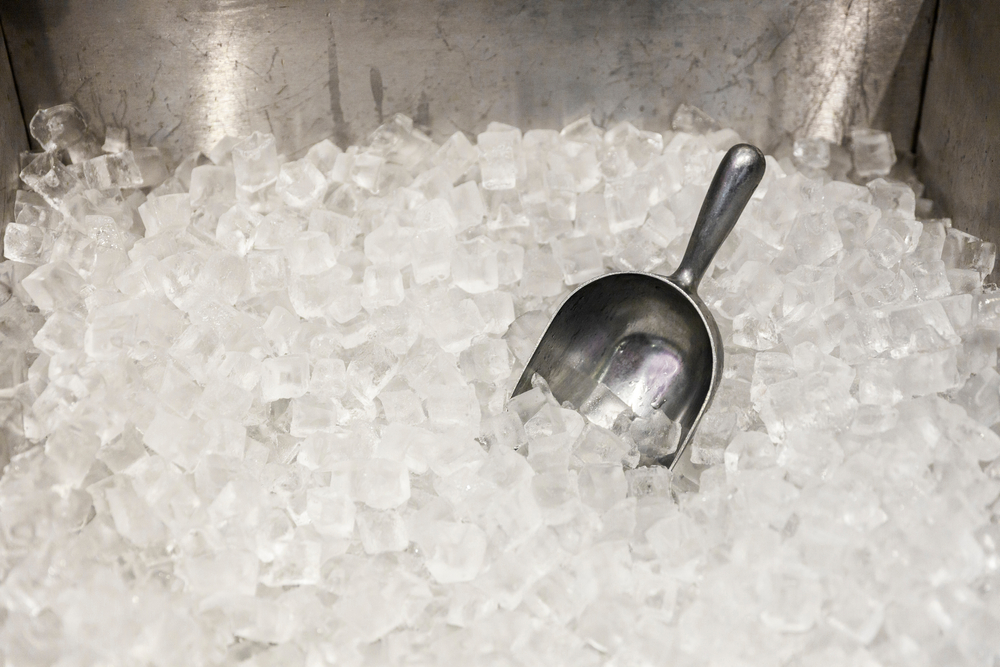
Your commercial ice machine is one of the hardest-working pieces of equipment in the building. It runs around the clock, processes hundreds of gallons of water every week, and is expected to produce clean, clear ice without interruption. But there is one silent threat that can quietly destroy your machine from the inside out: mineral scale buildup.
Scale accumulates when dissolved minerals in your water supply, primarily calcium and magnesium, are left behind as water freezes and evaporates. Over time, these deposits coat the internal components of your machine, reducing efficiency, contaminating ice, and leading to expensive repairs. The good news is that with a proper commercial ice machine maintenance routine, you can prevent most of these problems before they start.
Why Scale Buildup Is Such a Serious Problem
Most business owners do not realize how quickly mineral deposits can take hold inside a commercial ice machine. Lane County water, like much of the water in Oregon, contains varying levels of hardness depending on the source. Even moderately hard water will leave behind enough mineral residue to cause problems within just a few months of use.
When scale coats the evaporator plate, your machine has to work significantly harder to produce the same amount of ice. The compressor runs longer, energy costs go up, and ice production slows down. If the buildup is severe enough, your machine may start producing thin, hollow, or malformed ice cubes. Customers notice this even if you do not.
Beyond efficiency, scale can harbor bacteria and mold. A dirty evaporator plate or water distribution system creates the kind of warm, moist environment where contaminants thrive. That is a serious food safety concern, especially for businesses in Lane County that are subject to health inspections. Failing an inspection because of a neglected ice machine is an entirely avoidable situation.
The Role of Ice Machine Water Filter Replacement
One of the most cost-effective preventive measures you can take is staying current with ice machine water filter replacement. A quality inline water filter removes minerals, chlorine, sediment, and other impurities before they ever enter your machine. This reduces the rate at which scale accumulates on internal components and extends the life of your equipment considerably.
Most manufacturers recommend replacing your water filter every six months, though this timeline can vary depending on your water quality and the volume of ice your machine produces. If you are in a high-volume environment or if your local water supply is particularly hard, you may need to swap filters more frequently. Ignoring filter replacement is one of the most common mistakes that leads to premature machine failure and the need for costly commercial ice machine cleaning or full component replacement.
When choosing a replacement filter, always match it to your specific machine model and the recommendations of the manufacturer. Generic filters may not provide adequate protection for high-output machines like those made by Scotsman or Manitowoc, two of the most popular brands used in commercial kitchens across Eugene, OR.
Descaling Scotsman Ice Machines: What You Need to Know
Scotsman is a trusted name in commercial ice production, but even these reliable machines require regular descaling to perform at their best. Descaling Scotsman ice machines involves running a food-safe descaling solution through the water system to dissolve and flush out mineral deposits that have accumulated on the evaporator, water distribution tubes, and other internal surfaces.
Scotsman recommends descaling on a schedule based on water hardness and usage. In many cases, this means a full descaling procedure every three to six months. The process typically involves shutting the machine down, adding a manufacturer-approved descaler to the water system, running a cleaning cycle, and then thoroughly rinsing the system before returning it to service.
It is important to use only descaling products that are approved for use with Scotsman equipment. Using the wrong chemicals can damage seals, gaskets, and stainless steel components, potentially voiding your warranty and creating more problems than you solve. If you are not confident performing this procedure yourself, a qualified ice machine service technician in Lane County can handle it quickly and correctly.
Manitowoc Repair and Preventive Maintenance in Eugene, OR
Manitowoc ice machines are another popular choice for commercial operations in the Eugene, OR area. These machines are known for their durability and high output, but they are not immune to the effects of scale and neglect. Manitowoc repair calls are often the direct result of skipped maintenance, particularly when it comes to cleaning and descaling.
Manitowoc provides detailed maintenance guidelines for each of their machine models, and following those guidelines closely is the best way to avoid expensive service calls. A typical preventive maintenance visit for a Manitowoc machine will include inspecting the water inlet valve, checking the float switch, cleaning the condenser coils, inspecting the evaporator for scale deposits, and verifying that all safety controls are functioning properly.
One area that is frequently overlooked in Manitowoc units is the condenser coil. In air-cooled machines, the condenser pulls in ambient air to cool refrigerant, and over time it collects dust, grease, and debris. A dirty condenser forces the compressor to work harder and can cause the machine to overheat and shut down during peak service hours. Combining condenser cleaning with your regular descaling routine is a smart way to cover all your bases and keep your machine running through the busy season.
Building a Commercial Ice Machine Cleaning Schedule That Works
The most reliable way to prevent scale buildup and avoid costly repairs is to commit to a written maintenance schedule and stick to it. Commercial ice machine cleaning is not a once-a-year task. Depending on your machine type, usage level, and local water quality, certain cleaning tasks need to happen monthly, while others are quarterly or biannual.
At a minimum, your schedule should include monthly visual inspections of the ice bin, water filters, and any accessible components. Every three to six months, you should perform or schedule a full descaling and sanitation procedure. Filter replacement should happen on a consistent cycle based on your water conditions. And at least once a year, you should have a certified ice machine service technician perform a comprehensive inspection of all mechanical and refrigeration components.
For businesses in Eugene, OR and throughout Lane County, working with a local service provider who is familiar with Scotsman and Manitowoc equipment is a significant advantage. A technician who knows your machine, your water conditions, and your usage patterns can often spot developing problems before they turn into emergency repairs. That kind of proactive relationship saves money over the long run and keeps your ice supply consistent and safe.
Documentation also matters. Keep a log of every cleaning, filter replacement, and service visit. This record is useful during health inspections and can also help a technician diagnose recurring issues more quickly.
Conclusion
Scale buildup is one of the most preventable causes of commercial ice machine failure, yet it remains one of the most common reasons businesses in Eugene, OR and Lane County face unexpected repair bills. By prioritizing ice machine water filter replacement, staying consistent with descaling Scotsman ice machines and Manitowoc units, and building a reliable commercial ice machine cleaning schedule, you can protect your investment, maintain food safety standards, and keep your operation running smoothly. Do not wait for a breakdown to take action. A little preventive care goes a long way.
Need Commercial Refrigeration, Heating and Cooling in Eugene, OR?
Call American Refrigeration for all your commercial heating, ventilation & cooling needs! Founded in 1995, American Refrigeration has been proudly serving the Eugene & Portland areas with honesty & integrity for over 19 years. We specialize in commercial HVAC, air conditioning & heating repair, including medical laboratories and winery chillers. Emergency Repair is available 24/7 and we honor manufacturer rebates & warranties. Contact us today!
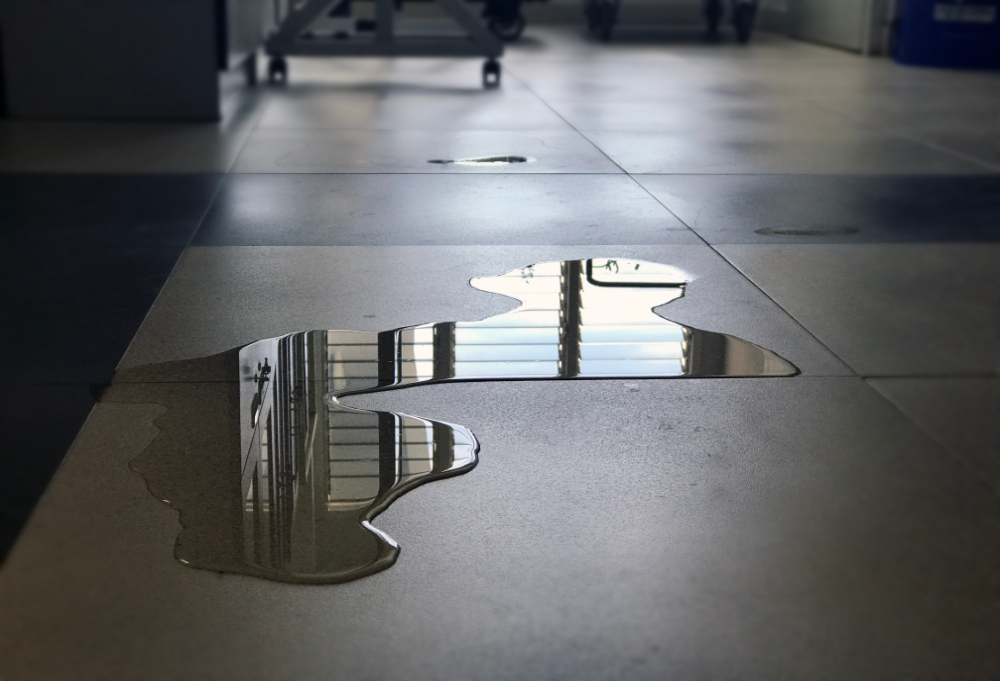
If you run a restaurant, grocery store, or any food service operation in Eugene, you have probably dealt with the unpleasant surprise of finding a puddle on your walk-in cooler floor. It looks minor at first. Maybe someone tosses a rag over it and moves on. But that water is rarely just an inconvenience. It is a symptom of something going wrong inside your commercial refrigeration system, and ignoring it can lead to costly repairs, health code violations, and genuine safety risks for your staff.
Understanding why walk-in coolers leak water on the floor is the first step toward protecting your business. Let us walk through the most common causes, the hazards involved, and what you should do about it.
1. A Clogged Evaporator Drain Pan Is the Most Common Culprit
The evaporator coil inside your walk-in cooler is responsible for absorbing heat from the air. As warm air passes over the cold coil, moisture condenses and drips into a drain pan located beneath the evaporator unit. From there, the water is supposed to flow out through a drain line that exits the cooler.
The problem is that this drain pan and the connected drain line are prone to clogging. Dust, mold, algae, food particles, and debris can accumulate over time, blocking the flow of water. When the drain line gets blocked, the pan fills up and eventually overflows onto your cooler floor.
A clogged evaporator drain pan is one of the most frequent calls commercial HVAC/R technicians respond to in food service environments. It is a fixable problem, but it does not fix itself. Walk-in cooler drain line repair typically involves flushing or clearing the line, cleaning the pan, and in some cases applying a biocide treatment to prevent regrowth of mold or algae that caused the blockage in the first place.
If your cooler uses a heated drain line (common in freezers), a failed drain line heater can also cause ice to block the line and produce the same overflow effect.
2. Walk-In Freezer Floor Icing Points to a Defrost System Problem
If you are dealing with a walk-in freezer rather than a cooler, and you are seeing ice buildup on the floor rather than pooling water, the issue may be tied to your defrost system. Walk-in freezers go through regular defrost cycles to melt frost that accumulates on the evaporator coils. When this cycle works correctly, the melted water drains away cleanly. When it does not, things go wrong fast.
A malfunctioning defrost timer, a failed defrost heater, or a faulty defrost termination thermostat can all cause ice to build up on or around the coils. That ice eventually melts in an uncontrolled way, and the water ends up somewhere it is not supposed to be, often the floor. Walk-in freezer floor icing is also a sign that your system is working harder than it should, which drives up your energy costs and shortens the life of your equipment.
In Eugene, where commercial kitchens and food storage facilities depend on reliable refrigeration year-round, a defrost system failure is not something to delay addressing. A qualified commercial HVAC/R technician can test each component of the defrost circuit, identify what has failed, and restore proper operation before the problem escalates.
3. Commercial Refrigeration Leak Troubleshooting: Other Sources You Might Miss
Not every puddle in a walk-in cooler comes from the evaporator drain. Commercial refrigeration leak troubleshooting sometimes uncovers other sources that are easy to overlook without a trained eye.
Condensation on door gaskets is one example. If the door seal on your walk-in cooler is worn, cracked, or not seating properly, warm humid air from the kitchen infiltrates the cooler space continuously. That moisture condenses on cold surfaces inside and eventually collects on the floor. A failing door gasket also forces your refrigeration system to work overtime to maintain temperature, which raises your utility costs and accelerates wear on the compressor and other components.
Refrigerant leaks are another possibility worth considering, though they present differently. A low refrigerant charge causes the evaporator coil to run colder than it should, which can result in excessive frost buildup and abnormal condensation patterns. If you notice your cooler is not holding temperature well and there is unusual moisture accumulation, commercial refrigeration leak troubleshooting should include checking refrigerant levels and inspecting the system for leaks.
Overhead condensate, pipe sweating, and rooftop unit drainage issues can also contribute to water on the floor, depending on how your system is configured and where components are located.
4. Is the Water on Your Walk-In Cooler Floor Actually a Safety Hazard?
The short answer is yes. Water on the floor of a walk-in cooler or freezer is a legitimate safety hazard for several reasons.
The most immediate concern is slip and fall risk. Walk-in coolers are high-traffic areas in most commercial kitchens. Staff carry heavy loads in and out regularly, often in a hurry. A wet floor in a cooler, particularly one that has partially refrozen into a thin ice layer, dramatically increases the risk of a serious fall. Workers’ compensation claims and liability exposure from slip-and-fall incidents are very real consequences for business owners who let these conditions persist.
Beyond physical injury, standing water in a food storage environment creates sanitation problems. Water pooling near food storage areas can harbor bacteria and mold, which can contaminate food products and put you in violation of health department standards. An inspector who finds water on your cooler floor during a routine visit will not look the other way, especially if the source appears to be a maintenance issue that was not addressed.
There is also equipment risk to consider. Persistent moisture near electrical components, wiring, and motor housings inside your cooler increases the risk of electrical faults and accelerated corrosion. Over time, what starts as a simple drain clog can contribute to much more expensive equipment failures if the moisture is allowed to continue unchecked.
5. What You Should Do When You Find Water in Your Walk-In Cooler
The first step is not to ignore it, even if the puddle is small. Dry the floor immediately to reduce slip risk, and document what you are seeing, including where the water is coming from, how much there is, and how frequently it appears.
Next, do a quick visual inspection. Check the drain pan beneath the evaporator unit if you can safely access it. Look at the door gaskets for visible gaps or cracks. Note whether the water appears to be coming from above, from around the evaporator, or from the floor drain area backing up.
Then call a qualified commercial HVAC/R technician. Walk-in cooler drain line repair, defrost system diagnostics, and refrigeration leak troubleshooting are not DIY projects, particularly in a commercial setting where food safety and code compliance are at stake. A trained technician can trace the source of the leak accurately, perform the necessary repairs, and verify that your system is draining and operating correctly before leaving the job.
For businesses in Eugene and the surrounding area, working with a local commercial refrigeration service provider means faster response times and technicians who are familiar with the kinds of systems common in the Pacific Northwest’s food service industry.
Conclusion
Water on the floor of your walk-in cooler is not a minor nuisance. It is a warning sign that something in your commercial refrigeration system needs attention. Whether the cause is a clogged evaporator drain pan, a defrost system failure, a worn door gasket, or something else entirely, the solution starts with proper diagnosis and professional repair. Do not wait until a small leak becomes a health code violation, a worker injury, or a full system failure. Address it now and keep your operation running safely and efficiently.
Need Commercial Refrigeration, Heating and Cooling in Eugene, OR?
Call American Refrigeration for all your commercial heating, ventilation & cooling needs! Founded in 1995, American Refrigeration has been proudly serving the Eugene & Portland areas with honesty & integrity for over 19 years. We specialize in commercial HVAC, air conditioning & heating repair, including medical laboratories and winery chillers. Emergency Repair is available 24/7 and we honor manufacturer rebates & warranties. Contact us today!
Your refrigeration equipment is the backbone of your operation. When that equipment starts running nonstop, it is not just an annoyance. It is a warning sign that something is wrong, and it is costing you real money every single day. Understanding the root causes behind a constantly running commercial refrigerator can help you take action before a small problem turns into a full-blown breakdown. Here is what you need to know.
Dirty Condenser Coils Are Silently Wasting Energy
One of the most common and most overlooked causes of a refrigerator that never shuts off is a buildup of dirt and debris on the condenser coils. These coils are responsible for releasing heat from the refrigeration system into the surrounding air. When they become coated with grease, dust, and grime, that heat transfer process becomes inefficient. The compressor has to work harder and longer to achieve the same cooling effect, which means your unit runs continuously and your electric bill climbs.
Dirty condenser coils symptoms are easy to miss if you are not looking for them. You might notice the exterior of your unit feels unusually warm, or that the compressor seems to never cycle off. In some cases, food temperatures begin to drift higher than they should. In a commercial kitchen environment in Lane County, where grease and airborne particles are everywhere, condenser coils can get dirty surprisingly fast. Scheduling routine walk-in cooler maintenance that includes coil cleaning is one of the simplest and most cost-effective ways to protect your investment.
A Failing Door Gasket Is Letting Cold Air Escape
Your refrigerator door gasket does one job: it creates an airtight seal that keeps cold air in and warm air out. Over time, gaskets crack, harden, warp, or simply wear out from repeated use. When that seal fails, your refrigeration system is constantly fighting a losing battle against the ambient temperature of your kitchen.
Refrigerator gasket replacement is one of the most affordable repairs you can make, yet many business owners put it off because the damage is not always obvious at first glance. A quick test is to close the door on a piece of paper and try to pull it out. If the paper slides out with little resistance, your gasket is no longer sealing properly. In a busy commercial setting, even a small gap in the seal can force the compressor to run almost continuously, wasting energy and shortening the life of the entire unit. For businesses in Eugene, OR that rely on their refrigeration around the clock, a worn gasket is simply not something you can afford to ignore.
Refrigerant Leaks Undermine the Entire Cooling Cycle
Refrigerant is the lifeblood of your commercial refrigeration system. It absorbs heat from inside the unit and carries it away through the condenser. When the refrigerant level drops due to a leak, the system loses its ability to cool effectively. The compressor compensates by running longer, and in severe cases, it may run nonstop without ever reaching the target temperature.
Refrigerant leaks require professional diagnosis and repair. Attempting to simply top off the refrigerant without finding and fixing the source of the leak is a temporary patch at best. A licensed HVAC/R services provider in Lane County can use specialized equipment to locate leaks, repair them properly, and recharge the system to the correct level. Ignoring a refrigerant issue not only drives up your energy costs but also risks a total compressor failure, which is a far more expensive problem to solve.
Thermostat and Controls Problems Can Confuse the System
Sometimes the issue is not mechanical at all. A faulty thermostat or a miscalibrated temperature controller can send incorrect signals to the compressor, causing it to run when it should be cycling off. In older commercial refrigeration units, these control components wear out over time and may not be immediately obvious as the source of the problem.
If your unit is maintaining the correct internal temperature but still running constantly, or if temperatures are fluctuating unpredictably, a controls issue may be the culprit. Commercial refrigeration repair in Eugene, OR often involves a thorough diagnostic check of all electrical and control components, not just the obvious mechanical parts. Addressing a thermostat issue early can prevent the unnecessary wear and tear that comes from an overworked compressor.
Inadequate Airflow Around the Unit Creates a Heat Trap
Placement and ventilation matter more than most people realize. Commercial refrigerators need adequate clearance on all sides to allow warm air to dissipate away from the condenser. When units are pushed too close to walls, wedged into tight corners, or surrounded by other heat-producing equipment, the condenser cannot do its job effectively. The system then struggles to shed heat, and the compressor runs longer to compensate.
This is a particularly common issue in smaller Eugene, OR kitchens where space is at a premium. Reviewing the placement of your equipment and ensuring proper ventilation clearances is a simple step that can have a meaningful impact on energy consumption and equipment longevity. If the layout of your kitchen makes adequate clearance difficult, your HVAC/R services provider can recommend solutions that work within your space constraints.
Conclusion
A commercial refrigerator that runs constantly is not operating normally, and the extra energy costs are just one part of the problem. Persistent runtime puts stress on the compressor and other components, shortening the overall lifespan of equipment that represents a significant investment. Whether the cause is dirty condenser coils, a failing gasket, a refrigerant leak, a faulty thermostat, or poor ventilation, the right response is always the same: get a professional involved before the problem escalates.
For businesses across Lane County, proactive walk-in cooler maintenance and timely commercial refrigeration repair in Eugene, OR are the most reliable ways to control costs and avoid unexpected downtime. Partnering with a qualified HVAC/R services team means you have expert support ready when something goes wrong, and more importantly, a maintenance plan designed to prevent problems before they start. Do not wait for a complete breakdown to take action. The efficiency and reliability of your refrigeration system directly affect your bottom line, and protecting it starts with knowing the warning signs.
Need Commercial Refrigeration, Heating and Cooling in Eugene, OR?
Call American Refrigeration for all your commercial heating, ventilation & cooling needs! Founded in 1995, American Refrigeration has been proudly serving the Eugene & Portland areas with honesty & integrity for over 19 years. We specialize in commercial HVAC, air conditioning & heating repair, including medical laboratories and winery chillers. Emergency Repair is available 24/7 and we honor manufacturer rebates & warranties. Contact us today!
Your walk-in cooler is the backbone of your food service or cold storage operation. When the compressor starts to struggle, the consequences can be severe: spoiled inventory, failed health inspections, and costly emergency refrigeration repair calls that could have been avoided with earlier attention. The compressor is the heart of your refrigeration system, and like any mechanical heart, it sends warning signals before it gives out completely. Knowing how to read those signals can save you thousands of dollars and a serious operational headache.
The Compressor Is Running Constantly Without Cycling Off
One of the earliest and most telling signs that something is wrong with your refrigeration system is a compressor that never seems to stop running. Under normal operating conditions, a compressor will cycle on and off throughout the day as it maintains the set temperature inside the unit. When it runs continuously without shutting off, that is a clear indicator the system is struggling to reach or maintain the desired temperature.
This behavior often points to a refrigerant leak, a failing compressor motor, or a dirty condenser coil that is forcing the system to work overtime. If you are based in Eugene and notice this pattern, do not wait it out. A compressor that runs nonstop is burning itself out, and what starts as an efficiency problem quickly becomes a full breakdown. Walk-in cooler troubleshooting at this stage is far less expensive than replacing a burned-out compressor entirely. Industrial cooling maintenance checks should include verifying cycle times as part of any routine inspection.
You Hear a Refrigeration Compressor Clicking Sound
Sound is one of the most reliable diagnostic tools you have as a business owner or facility manager. A healthy compressor hums at a consistent pitch during operation. When you start hearing a refrigeration compressor clicking sound, particularly at startup, that is a strong signal that the compressor motor is having trouble engaging properly.
This clicking often indicates a hard-starting compressor, which means the motor is trying to start but failing to get up to speed before cutting out. The clicking you hear is typically the overload protector tripping to prevent damage. Sometimes the fix is straightforward, such as installing a hard start kit or replacing a faulty capacitor. Other times, the internal windings of the motor have already been damaged from repeated failed starts. Either way, a clicking compressor is not something to ignore. Get a commercial compressor repair technician to evaluate it before the unit fails during peak hours.
Beyond clicking, listen for banging, rattling, or a loud knocking sound during operation. These noises can indicate loose internal components or a mechanical issue inside the compressor itself. At that point, the unit is not just struggling; it may be on the verge of seizing entirely.
The Temperature Inside the Cooler Is Inconsistent
If your staff is noticing that products near the back of the cooler are staying cold while items closer to the door are warming up, or if your temperature logs are showing unexplained fluctuations, the compressor may not be producing adequate refrigerant flow. Temperature inconsistency is a symptom that often gets blamed on the door gaskets or the thermostat before anyone thinks to look at the compressor.
A compressor that is losing compression capacity cannot push enough refrigerant through the system to maintain even cooling. This is particularly dangerous in food service environments in Eugene, where health regulations require strict temperature controls. Walk-in cooler troubleshooting should always include a pressure check of the refrigerant system when unexplained temperature swings appear. A refrigeration technician will measure suction and discharge pressures to determine whether the compressor is maintaining the levels required for proper operation.
Do not wait for a temperature alarm to take action. By the time the unit has warmed to the point of triggering an alert, your product may already be compromised.
The System Is Tripping Breakers or Showing Electrical Symptoms
Electrical problems and refrigeration problems often go hand in hand. If your walk-in cooler is frequently tripping its dedicated circuit breaker, that is a sign the compressor motor is drawing more amperage than it should. This condition, known as overcurrent, usually means the motor windings are degraded or the compressor is working against excessive pressure.
You might also notice the compressor struggling to start after a power interruption, or the unit may hum loudly without the motor actually turning over. These electrical symptoms are serious. Running a compressor that is drawing excessive current will eventually burn out the motor entirely, and it also poses a fire risk to your facility. A commercial compressor repair visit at this stage is urgent, not optional.
Industrial cooling maintenance programs typically include amp draw testing as part of a seasonal checkup. If yours does not, ask your service provider to add it. Catching elevated amp draw early is one of the most cost-effective preventive measures available for commercial refrigeration equipment.
There Is Ice Buildup in Unusual Places or Oil Near the Compressor
Ice forming in unexpected locations inside your walk-in cooler, particularly on the suction line or evaporator coil, can point to a low refrigerant charge caused by a leak. A slow refrigerant leak often originates near the compressor fittings or the service valves, and over time it forces the compressor to work harder to compensate for reduced refrigerant flow.
Similarly, if you notice oily residue around the compressor body or along the refrigerant lines, that is a sign that refrigerant oil is escaping, which typically accompanies a refrigerant leak. Oil circulates through the refrigeration system to lubricate the compressor, and when it starts escaping, the compressor is at risk of running dry. A compressor that loses its oil supply can seize within hours. Emergency refrigeration repair calls for compressor seizure are among the most expensive service scenarios in the industry.
Routine visual inspections of your compressor unit should be part of your regular walk-in cooler troubleshooting checklist. Look for staining, oily residue, frost in unusual spots, and listen for any changes in operating sound. These simple checks take only a few minutes and can catch a developing problem before it becomes a catastrophic one.
Conclusion
Your walk-in cooler compressor will rarely fail without warning. The warning signs are there: constant cycling, a refrigeration compressor clicking sound, temperature inconsistencies, electrical anomalies, and physical evidence like oil or unusual ice buildup. The businesses that catch these signals early are the ones that avoid the expense and disruption of emergency refrigeration repair.
Industrial cooling maintenance is not a luxury; it is a protection strategy for your investment and your inventory. If you are in Eugene and your walk-in cooler is showing any of the symptoms described above, contact a qualified commercial compressor repair technician right away. A small service visit today is always more affordable than a full compressor replacement or a lost inventory claim tomorrow. Stay attentive, schedule regular inspections, and trust what your equipment is telling you.
Need Commercial Refrigeration, Heating and Cooling in Eugene, OR?
Call American Refrigeration for all your commercial heating, ventilation & cooling needs! Founded in 1995, American Refrigeration has been proudly serving the Eugene & Portland areas with honesty & integrity for over 19 years. We specialize in commercial HVAC, air conditioning & heating repair, including medical laboratories and winery chillers. Emergency Repair is available 24/7 and we honor manufacturer rebates & warranties. Contact us today!
Commercial refrigeration systems are essential for businesses that rely on cold storage, such as restaurants, grocery stores, hotels, and medical facilities. These systems run continuously, often under heavy loads, making them vulnerable to wear and tear if not properly maintained. A smart and consistent commercial refrigeration maintenance schedule is not just a good practice, it is a necessity. Without it, the risk of unexpected breakdowns increases, leading to expensive emergency refrigeration repair and potential loss of inventory. This blog explores the ideal frequency and approach for maintaining commercial refrigeration systems to ensure optimal performance and longevity.
The Importance of Routine Maintenance for Refrigeration Systems
Preventative HVACR service plays a critical role in keeping commercial refrigeration systems operating efficiently. Unlike residential refrigerators, commercial units often deal with larger volumes, higher traffic, and more diverse operational demands. Because of these factors, minor issues can quickly evolve into major failures without early intervention.
Routine maintenance helps identify early warning signs such as unusual noises, temperature fluctuations, or frost buildup, all of which may indicate failing components. More importantly, regular service ensures that your equipment is running at peak efficiency, reducing energy consumption and extending the system’s lifespan.
For example, refrigeration coil cleaning is a vital task during routine maintenance. Dirty coils can restrict airflow and cause the system to overheat or run longer cycles, which increases wear on components and spikes your utility bill. Additionally, scheduled walk-in cooler inspection can help detect poor door seals, refrigerant leaks, or compressor problems before they escalate.
Recommended Frequency of Commercial Refrigeration Maintenance
While each system is different depending on the brand, size, and usage, there are general guidelines that apply to most commercial refrigeration units. Industry experts recommend quarterly maintenance for most systems. This interval balances thorough oversight with practical scheduling, allowing technicians to identify and resolve issues early enough to prevent costly breakdowns.
In high-traffic businesses like supermarkets or large restaurants, monthly checkups might be advisable, especially during hotter months when the system is under greater strain. On the other hand, smaller operations may find that biannual inspections suffice, provided the equipment is newer and used less intensively.
What matters most is consistency. Setting a dependable commercial refrigeration maintenance schedule, tailored to your system and business needs, ensures that critical components such as thermostats, fans, coils, and compressors are checked regularly. Skipping maintenance sessions, even occasionally, can result in gradual system degradation and increase the risk of emergency refrigeration repair.
Key Elements of Preventative Maintenance
A comprehensive preventative HVACR service plan should cover several critical areas to be effective. One of the most important is refrigeration coil cleaning. Evaporator and condenser coils collect dust, grime, and grease over time, especially in environments like kitchens. If neglected, these contaminants restrict heat exchange, overwork the compressor, and may lead to complete system failure.
Another essential task is inspecting the door gaskets and seals of walk-in coolers and freezers. Damaged or worn seals can cause cold air to leak out, forcing the unit to work harder to maintain its temperature. This not only raises your energy bills but also increases wear on the compressor and evaporator.
Technicians should also monitor refrigerant levels during each walk-in cooler inspection. Low refrigerant can signal leaks that, if unaddressed, will reduce cooling capacity and cause food spoilage. Additionally, they should test temperature accuracy, examine electrical connections, check fan operation, and clean drain lines to prevent clogs and mold growth.
By performing these tasks regularly, a professional technician can significantly reduce the likelihood of expensive emergency refrigeration repair, minimize downtime, and prolong the lifespan of your investment.
Signs Your Refrigeration System Needs Immediate Attention
Even with a solid commercial refrigeration maintenance schedule in place, certain signs may indicate the need for an immediate inspection outside your routine. These red flags should never be ignored, as they often point to problems that can escalate quickly if left unchecked.
Unusual noises such as buzzing, rattling, or grinding may suggest loose components, motor issues, or debris in the fan blades. If you notice temperature inconsistencies, such as items not staying cold enough or ice building up inside the unit, it may indicate thermostat malfunctions or airflow obstructions. Water pooling near or inside the system could mean clogged drain lines or condensate problems.
Another warning sign is the unit running continuously without cycling off. This may result from dirty coils, refrigerant issues, or faulty sensors. Ignoring these symptoms may result in emergency refrigeration repair or the complete loss of perishable goods.
Therefore, businesses should train their staff to identify and report these issues early. Prompt response to abnormal behavior can prevent further damage and reduce service costs in the long run.
Choosing a Reliable Maintenance Partner
Finding a qualified HVACR technician or service provider is crucial to protecting your refrigeration equipment. Look for companies that offer customizable service plans based on your business type and equipment size. Ideally, the provider should be familiar with your brand of equipment and offer 24/7 support in case emergency refrigeration repair becomes necessary.
A good service partner will not only conduct thorough inspections and repairs but also provide documentation of each service visit. This record can help identify patterns, track the age of components, and inform decisions about upgrades or replacements in the future.
Furthermore, ask whether your provider includes refrigeration coil cleaning and walk-in cooler inspection as standard in their preventative HVACR service. These tasks are too important to be optional. A reputable provider will ensure all key maintenance areas are covered without cutting corners.
Regular communication and transparent pricing also contribute to a successful maintenance partnership. When you have confidence in your technician, you can rest assured your equipment is in good hands, and your business remains uninterrupted.
Conclusion
A well-maintained refrigeration system is one of the most important assets in any business that depends on cold storage. Creating and following a regular commercial refrigeration maintenance schedule can prevent unexpected breakdowns, reduce operating costs, and extend equipment life. From consistent refrigeration coil cleaning to routine walk-in cooler inspection, every task plays a role in keeping your system running efficiently and reliably.
Preventative HVACR service is not merely about avoiding problems. It is about optimizing performance, saving money, and maintaining trust with your customers. Businesses that stay ahead of repairs and prioritize routine care are far less likely to face the stress and expense of emergency refrigeration repair.
Scheduling maintenance quarterly, or more frequently in demanding environments, is a smart investment. Partnering with a reliable service provider ensures your refrigeration units stay in peak condition, your products stay fresh, and your operations remain smooth. The bottom line is clear: regular maintenance is far more affordable than emergency repair. Stay proactive and protect your investment.
Need Commercial Refrigeration, Heating and Cooling in Eugene, OR?
Call American Refrigeration for all your commercial heating, ventilation & cooling needs! Founded in 1995, American Refrigeration has been proudly serving the Eugene & Portland areas with honesty & integrity for over 19 years. We specialize in commercial HVAC, air conditioning & heating repair, including medical laboratories and winery chillers. Emergency Repair is available 24/7 and we honor manufacturer rebates & warranties. Contact us today!