Refrigeration and cold storage are the cornerstones of modern food preservation, pharmaceutical storage, and even some industrial processes. Innovations in refrigeration have transformed the way businesses manage perishable goods, ensuring longer shelf life and improved safety. As we look to the future, advancements in technology, energy efficiency, and automation are driving a new era of innovation in refrigeration. From smart cooling systems to eco-friendly solutions, the cold storage industry is on the brink of a revolution.
In this blog, we’ll delve into the most significant innovations in refrigeration, highlighting how they are transforming cold storage solutions, including those in Eugene, OR. Let’s explore the trends shaping the future of cold storage.
The Growing Demand for Cold Storage Solutions
The global cold storage market is experiencing rapid growth, driven by increased consumer demand for fresh produce, frozen foods, and temperature-sensitive pharmaceuticals. The rise of e-commerce, especially in grocery delivery services, has further fueled this demand. As the food and pharmaceutical industries continue to expand, the need for advanced cold storage solutions has never been more critical.
In Eugene, OR, cold storage solutions have become essential for local food producers, distributors, and retailers. The demand for efficient and sustainable refrigeration systems that cater to both large-scale facilities and smaller operations is on the rise. With the ongoing focus on food safety and reducing waste, innovations in refrigeration are essential to meeting these challenges head-on.
Emerging Trends in Cold Storage Technology
Energy Efficiency and Sustainability
One of the most pressing concerns in the refrigeration industry is energy consumption. Traditional refrigeration systems are notorious for being energy-intensive, leading to high operational costs and environmental concerns. To address these issues, the industry is focusing on innovations in energy efficiency and sustainability.
Energy-efficient compressors and cooling technologies are becoming more prevalent, reducing energy consumption by optimizing the cooling process. Additionally, the use of natural refrigerants like ammonia and CO2 is gaining traction as these options offer lower global warming potential (GWP) compared to synthetic refrigerants like hydrofluorocarbons (HFCs). By adopting these eco-friendly technologies, businesses can not only reduce their energy bills but also contribute to global sustainability efforts.
Smart Refrigeration Systems
The integration of smart technologies into refrigeration systems is another key trend shaping the future of cold storage. Smart refrigeration systems utilize sensors, IoT (Internet of Things) devices, and automation to optimize performance, improve energy efficiency, and reduce waste. These systems can monitor temperature, humidity, and other critical factors in real-time, making it easier for operators to ensure that their cold storage solutions are functioning at optimal levels.
In Eugene, OR cold storage solutions, smart refrigeration systems are gaining popularity, especially among businesses that require precise temperature control for perishable goods. These systems allow for remote monitoring and control, reducing the risk of spoilage and ensuring product quality throughout the supply chain.
Innovations in Refrigeration Design and Materials
Advanced Insulation Technologies
One of the most critical aspects of cold storage is maintaining consistent temperatures to prevent spoilage. Innovations in insulation materials and design are helping cold storage facilities improve thermal efficiency, reduce energy loss, and maintain stable temperatures. Vacuum insulated panels (VIPs), for example, offer superior insulation compared to traditional materials, making them ideal for cold storage applications.
These advanced insulation technologies are being used in both large-scale refrigeration systems and portable cold storage units, ensuring that products remain at the desired temperature even during transportation or power outages. In Eugene, OR, where local food producers rely on cold storage solutions to deliver fresh produce to market, these innovations are proving invaluable.
Modular and Portable Cold Storage Solutions
The need for flexible and scalable cold storage solutions is growing, particularly in industries where space and mobility are concerns. Modular and portable cold storage units offer a solution by allowing businesses to customize their refrigeration systems based on their specific needs. These units can be easily expanded, relocated, or reconfigured to accommodate changing requirements.
For businesses in Eugene, OR, cold storage solutions that offer flexibility and adaptability are crucial. Whether it’s a small-scale food producer needing temporary storage or a larger operation looking to expand capacity, modular refrigeration systems provide an efficient and cost-effective solution.
Automation and AI in Cold Storage Management
Automated Warehouses
Automation is revolutionizing the way cold storage facilities operate. Automated warehouses utilize robotics and automated storage and retrieval systems (AS/RS) to handle products with minimal human intervention. These systems can quickly and accurately move goods in and out of storage, reducing labor costs and improving efficiency.
Automated cold storage facilities are particularly beneficial for businesses handling large volumes of perishable goods. With the ability to operate 24/7, these systems can significantly reduce operational costs and improve turnaround times. In Eugene, OR, cold storage solutions that incorporate automation are helping businesses streamline their operations and meet the demands of a growing market.
AI-Powered Predictive Maintenance
Artificial intelligence (AI) is playing an increasingly important role in cold storage management. One of the most promising applications of AI is predictive maintenance, which uses machine learning algorithms to analyze data from refrigeration systems and predict when maintenance is needed. This helps prevent costly breakdowns and extends the lifespan of equipment.
By identifying potential issues before they become critical, AI-powered predictive maintenance can reduce downtime and repair costs. For businesses in Eugene, OR, cold storage solutions that incorporate AI are proving to be a game-changer, ensuring that refrigeration systems operate smoothly and efficiently at all times.
The Role of IoT in Transforming Cold Storage
Real-time Monitoring and Analytics
The Internet of Things (IoT) is transforming the cold storage industry by enabling real-time monitoring and analytics. IoT devices can collect and transmit data on temperature, humidity, and other environmental factors, allowing operators to monitor their refrigeration systems remotely. This data can be analyzed to identify trends, optimize performance, and detect potential issues before they become problems.
Real-time monitoring is particularly valuable for businesses in the food and pharmaceutical industries, where maintaining precise temperature control is critical. In Eugene, OR, cold storage solutions that leverage IoT technology are helping businesses ensure that their products remain safe and compliant with industry regulations.
Integration with Supply Chain Systems
IoT is also enabling greater integration between cold storage and supply chain systems. By connecting refrigeration units with logistics and inventory management platforms, businesses can gain better visibility into their supply chains and make more informed decisions. This level of integration allows for better tracking of products, reduces the risk of spoilage, and improves overall efficiency.
For businesses in Eugene, OR, cold storage solutions that integrate with supply chain systems offer a competitive edge, allowing them to respond more quickly to market demands and ensure that their products are delivered fresh and on time.
Sustainable Practices in Cold Storage and Refrigeration
Renewable Energy Sources
As the world shifts towards more sustainable practices, the cold storage industry is also adopting renewable energy sources to power refrigeration systems. Solar panels, wind turbines, and geothermal energy are increasingly being used to offset the energy demands of cold storage facilities. By harnessing these renewable energy sources, businesses can reduce their reliance on fossil fuels and lower their carbon footprint.
In Eugene, OR, cold storage solutions that incorporate renewable energy are becoming more common as businesses look to reduce their environmental impact. By investing in these technologies, companies can not only save on energy costs but also enhance their sustainability credentials.
Reducing the Carbon Footprint
In addition to adopting renewable energy sources, the cold storage industry is also focused on reducing its overall carbon footprint. Innovations in refrigeration design, energy-efficient technologies, and eco-friendly refrigerants are all contributing to this effort. By optimizing the entire cold storage process, from energy consumption to waste management, businesses can significantly reduce their environmental impact.
For businesses in Eugene, OR, cold storage solutions that prioritize sustainability are becoming a key differentiator in the market. As consumers become more environmentally conscious, companies that embrace green practices will be better positioned to meet the growing demand for sustainable products and services.
Conclusion
The future of cold storage is being shaped by rapid technological advancements and a growing emphasis on sustainability. Innovations in refrigeration, such as energy-efficient technologies, smart systems, and AI-powered automation, are transforming the industry and helping businesses meet the challenges of an increasingly competitive market.
For businesses in Eugene, OR, cold storage solutions that incorporate these innovations are not just a luxury—they are a necessity. As the demand for fresh, perishable goods continues to rise, businesses must invest in advanced refrigeration technologies to ensure the safety, quality, and sustainability of their products.
Need Commercial Refrigeration, Heating and Cooling in Eugene, OR?
Call American Refrigeration for all your commercial heating, ventilation & cooling needs! Founded in 1995, American Refrigeration has been proudly serving the Eugene & Portland areas with honesty & integrity for over 19 years. We specialize in commercial HVAC, air conditioning & heating repair, including medical laboratories and winery chillers. Emergency Repair is available 24/7 and we honor manufacturer rebates & warranties. Contact us today!
In an era where environmental consciousness is at an all-time high, businesses are increasingly seeking ways to reduce their carbon footprint and adopt sustainable practices. Among these, sustainable commercial refrigeration stands out as a critical area for improvement. In this article, we’ll explore the latest trends in eco-friendly cooling, the benefits of adopting sustainable commercial refrigeration practices, and how businesses in Eugene, OR, are leading the charge in eco-friendly refrigeration practices.
Sustainable Commercial Refrigeration
Sustainable commercial refrigeration refers to the use of refrigeration systems and practices that minimize environmental impact. This includes energy-efficient technologies, the use of eco-friendly refrigerants, and practices that reduce overall energy consumption. The goal is to not only lower operational costs but also contribute to a healthier planet.
Key Trends in Eco-Friendly Cooling
1. Energy-Efficient Refrigeration Systems
One of the most significant trends in sustainable commercial refrigeration is the adoption of energy-efficient systems. Modern refrigeration technologies, such as variable speed compressors and advanced insulation materials, are designed to use less energy while maintaining optimal performance. This trend is not just about meeting current energy standards but exceeding them, setting new benchmarks for efficiency in the industry.
2. Eco-Friendly Refrigerants
The phase-out of harmful refrigerants like chlorofluorocarbons (CFCs) and hydrofluorocarbons (HFCs) has led to the development of eco-friendly refrigerants. These new refrigerants, such as hydrofluoroolefins (HFOs) and natural refrigerants like CO2, have a lower global warming potential (GWP) and are less damaging to the ozone layer. Businesses are increasingly investing in systems that use these greener alternatives, aligning with global environmental goals.
3. Advanced Controls and Automation
Smart technology is revolutionizing commercial refrigeration with advanced controls and automation. These systems use sensors and data analytics to optimize refrigeration performance, reduce energy consumption, and predict maintenance needs. Automated systems can adjust cooling levels based on real-time data, ensuring that energy is used efficiently and effectively.
4. Sustainable Design and Construction
The design and construction of refrigeration systems are also becoming more sustainable. Innovations include modular and scalable designs that allow for flexibility and expansion without significant additional energy use. Additionally, eco-friendly materials are being used in the construction of refrigeration units, further reducing their environmental impact.
5. Renewable Energy Integration
Integrating renewable energy sources, such as solar or wind power, with commercial refrigeration systems is an emerging trend. By harnessing clean energy, businesses can reduce their reliance on fossil fuels and lower their overall carbon footprint. This integration not only supports sustainability goals but can also lead to cost savings in the long run.
Benefits of Sustainable Commercial Refrigeration
1. Reduced Environmental Impact
The primary benefit of adopting sustainable commercial refrigeration practices is the reduction in environmental impact. By using energy-efficient systems and eco-friendly refrigerants, businesses can significantly lower their greenhouse gas emissions and contribute to the fight against climate change.
2. Cost Savings
While the initial investment in sustainable refrigeration systems may be higher, the long-term cost savings are substantial. Energy-efficient systems reduce energy bills, and advanced controls help minimize maintenance costs. Over time, these savings can offset the upfront costs and provide a favorable return on investment.
3. Enhanced Brand Reputation
Businesses that prioritize sustainability often enjoy enhanced brand reputation and customer loyalty. Consumers are increasingly favoring companies that demonstrate a commitment to environmental responsibility. By adopting eco-friendly refrigeration practices, businesses can position themselves as leaders in sustainability, attracting eco-conscious customers and clients.
4. Compliance with Regulations
With increasing environmental regulations and standards, adopting sustainable refrigeration practices can help businesses stay compliant with current and future regulations. This not only avoids potential fines but also ensures that businesses are ahead of the curve in meeting environmental standards.
5. Improved Efficiency and Performance
Sustainable refrigeration systems are designed to operate more efficiently, which can lead to improved overall performance. Features like advanced controls and energy-efficient components ensure that refrigeration systems run optimally, reducing energy waste and extending the lifespan of the equipment.
Eco-Friendly Refrigeration Practices in Eugene, OR
Businesses in Eugene, OR, are at the forefront of adopting eco-friendly refrigeration practices. This city’s commitment to sustainability is evident in various local initiatives and businesses that are setting examples for others to follow. From energy-efficient refrigeration systems in local grocery stores to the use of renewable energy sources in commercial establishments, Eugene is making strides in reducing its environmental footprint.
Local businesses are also leveraging incentives and support programs provided by the city to transition to sustainable refrigeration systems. These programs often include financial incentives, technical support, and resources to help businesses make the switch to eco-friendly practices.
Conclusion
The shift towards sustainable commercial refrigeration is not just a trend but a necessary step towards a more environmentally responsible future. By embracing energy-efficient technologies, eco-friendly refrigerants, and advanced controls, businesses can reduce their environmental impact, achieve cost savings, and enhance their brand reputation. In Eugene, OR, businesses are leading the way in adopting these practices, showcasing a commitment to sustainability that other cities can look to as a model. As the industry continues to evolve, the focus on eco-friendly cooling will play a crucial role in shaping a more sustainable world.
Need Commercial Refrigeration, Heating and Cooling in Eugene, OR?
Call American Refrigeration for all your commercial heating, ventilation & cooling needs! Founded in 1995, American Refrigeration has been proudly serving the Eugene & Portland areas with honesty & integrity for over 19 years. We specialize in commercial HVAC, air conditioning & heating repair, including medical laboratories and winery chillers. Emergency Repair is available 24/7 and we honor manufacturer rebates & warranties. Contact us today!
Commercial refrigerators are essential in various industries, from restaurants to grocery stores. Their ability to keep products fresh and at the right temperature can make or break a business. However, maintaining these systems is crucial for their longevity and efficiency. Here, we discuss effective maintenance strategies to maximize the lifespan of commercial refrigeration systems.
Importance of Regular Maintenance
Regular maintenance is vital for commercial refrigerators to function optimally. Neglecting maintenance can lead to decreased efficiency, higher energy bills, and premature equipment failure. Implementing a consistent maintenance schedule can prevent these issues and extend the lifespan of your commercial refrigeration system.
Daily Maintenance Tasks
1. Inspect Temperature Settings
Ensure that the temperature settings are consistent with the manufacturer’s recommendations. Check daily to make sure the temperatures are within the acceptable range to prevent spoilage and ensure food safety.
2. Check for Leaks
Inspect the unit for any signs of refrigerant or water leaks. Leaks can lead to decreased efficiency and potential damage to other components. Address any leaks immediately to avoid further complications.
3. Clean the Condenser Coils
Dust and debris can accumulate on condenser coils, reducing their efficiency. Clean the coils daily or as needed to ensure optimal performance. This simple task can prevent overheating and improve the unit’s overall efficiency.
Weekly Maintenance Tasks
1. Clean the Interior
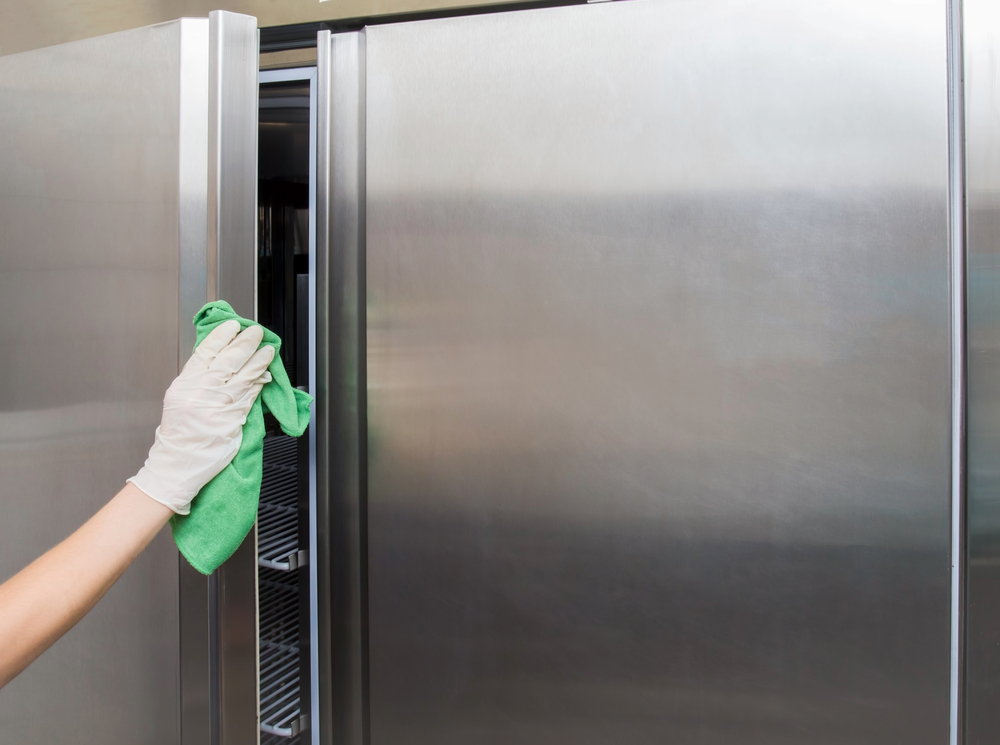
Regularly clean the interior of the refrigerator to prevent mold growth and unpleasant odors. Use non-abrasive cleaners and ensure all surfaces are dry before restocking to maintain a sanitary environment.
2. Check Door Seals
Examine the door seals for any cracks or tears. Faulty seals can lead to temperature fluctuations and increased energy consumption. Replace damaged seals promptly to ensure the unit remains airtight.
3. Inspect the Evaporator Fan
The evaporator fan helps circulate air throughout the refrigerator. Ensure that the fan is working correctly and that there are no obstructions. A malfunctioning fan can lead to uneven cooling and higher energy costs.
Monthly Maintenance Tasks
1. Clean the Condenser Fan
The condenser fan helps cool the refrigerant as it passes through the coils. Over time, dust and debris can accumulate on the fan blades. Clean the condenser fan monthly to maintain efficient operation.
2. Check Refrigerant Levels
Inspect the refrigerant levels to ensure they are within the recommended range. Low refrigerant levels can lead to poor cooling performance and potential system failure. Contact a professional if you suspect refrigerant issues.
3. Examine Electrical Components
Inspect the electrical components, including wiring and connections, for any signs of wear or damage. Ensure all connections are secure and functioning correctly to prevent electrical issues.
Seasonal Maintenance Tasks
1. Deep Clean the Refrigeration System
Perform a thorough cleaning of the refrigeration system at least once per season. This includes cleaning the condenser and evaporator coils, checking for mold, and ensuring that all components are free of debris.
2. Service the Unit
Schedule a professional service visit at least twice a year. A technician can perform in-depth diagnostics, clean components that are difficult to reach, and address any potential issues before they become major problems.
3. Inspect Insulation
Check the insulation for any signs of damage or wear. Proper insulation is essential for maintaining temperature and energy efficiency. Replace any damaged insulation to ensure the unit operates efficiently.
Troubleshooting Common Issues
1. Uneven Cooling
If you notice uneven cooling, it may be due to a faulty fan, blocked vents, or incorrect temperature settings. Check these components and make necessary adjustments to restore even cooling.
2. Increased Energy Bills
Rising energy costs can indicate that the refrigerator is not operating efficiently. Possible causes include dirty condenser coils, worn door seals, or a malfunctioning thermostat. Address these issues to reduce energy consumption.
3. Excessive Noise
Unusual noises can signal problems with the compressor, fan, or other components. Investigate the source of the noise and consult a professional if the issue persists.
Conclusion
Effective commercial refrigerator maintenance is crucial for extending the lifespan of your equipment and ensuring its optimal performance. By adhering to daily, weekly, monthly, and seasonal maintenance tasks, you can prevent common issues, reduce energy costs, and keep your refrigeration system running smoothly.
Need Commercial Refrigeration, Heating and Cooling in Eugene, OR?
Call American Refrigeration for all your commercial heating, ventilation & cooling needs! Founded in 1995, American Refrigeration has been proudly serving the Eugene & Portland areas with honesty & integrity for over 19 years. We specialize in commercial HVAC, air conditioning & heating repair, including medical laboratories and winery chillers. Emergency Repair is available 24/7 and we honor manufacturer rebates & warranties. Contact us today!
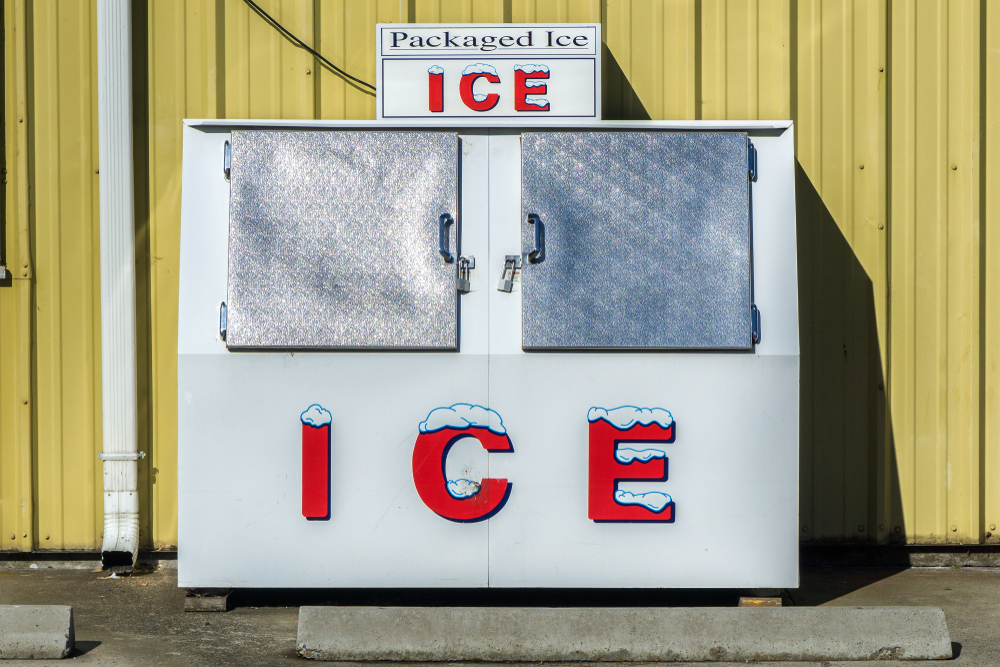
Choosing the right location for installing an ice machine is crucial for its success and profitability. Whether you are setting up an ice vending machine or a commercial ice maker, several factors need consideration to ensure optimal performance and customer convenience. Here’s a comprehensive guide to help you navigate through this decision-making process effectively.
Understanding the Importance of Location
The success of your ice machine largely depends on its location. A well-chosen spot can significantly increase sales and customer satisfaction, while a poor location might lead to underperformance and reduced profitability. Therefore, thorough research and evaluation are essential before finalizing the installation site.
Factors to Consider
Foot Traffic and Visibility
One of the primary considerations is foot traffic. High foot traffic areas such as shopping malls, beachfronts, parks, and busy streets can attract a steady flow of potential customers. Visibility from the road or pedestrian paths also plays a crucial role in attracting impulse buyers and ensuring easy access for regular customers.
Nearby Amenities and Complementary Businesses
Proximity to amenities like gas stations, convenience stores, restaurants, and recreational facilities can increase the demand for ice. These places often require a steady supply of ice for their operations or to serve their customers, making them ideal locations for an ice machine.
Local Climate and Seasonal Demand
The local climate influences the demand for ice throughout the year. Warmer regions or summer months typically see higher demand for ice compared to colder climates or winter seasons. Understanding seasonal variations in demand can help you anticipate the need and adjust your supply accordingly.
Competition Analysis
Assessing the presence of competitors in the area is crucial. While some competition indicates a viable market for ice, an oversaturated market might lead to lower profitability. Analyze the pricing, offerings, and customer base of existing ice vendors in the vicinity to identify gaps or opportunities for differentiation.
Key Questions to Ask
How do I find the perfect ice vending location?
Finding the perfect ice vending location involves evaluating factors like foot traffic, visibility, nearby amenities, and seasonal demand. Conducting thorough research and understanding your target market’s needs can help identify an optimal location that maximizes profitability.
What makes a good location for an ice vending machine?
A good location for an ice vending machine typically includes high foot traffic areas, visibility from main roads or pedestrian paths, proximity to amenities or businesses that require ice, and consideration of local climate and seasonal demand patterns.
Where should I have my ice machine installed?
Your ice machine should ideally be installed in locations with high customer traffic and visibility, such as shopping malls, gas stations, parks, beaches, or near recreational facilities and restaurants. Choosing a location that meets these criteria can enhance sales and customer satisfaction.
Practical Steps to Choose the Right Location
Conduct Market Research
Before finalizing a location, conduct thorough market research. Identify potential sites based on demographic data, consumer behavior, and existing market dynamics. This data-driven approach can provide valuable insights into the demand for ice in specific areas.
Evaluate Accessibility and Parking
Ensure that the chosen location offers easy access for customers and delivery trucks. Ample parking space nearby can attract customers who need to make quick stops for ice. Accessibility is critical to accommodating both individual customers and businesses that require bulk ice purchases.
Consider Operational Requirements
Evaluate the operational requirements of your ice machine. Ensure that the location can support the necessary utilities such as water supply, drainage, and electricity. Additionally, consider the space needed for the machine and any required vending or dispensing infrastructure.
Negotiate Terms and Agreements
Once you identify a suitable location, negotiate terms and agreements with property owners or managers. Clarify responsibilities regarding maintenance, utilities, and any potential fees or revenue sharing arrangements. Having a clear agreement can prevent future conflicts and ensure a mutually beneficial partnership.
Conclusion
Choosing the right location for your ice machine installation requires careful consideration of various factors including foot traffic, visibility, nearby amenities, seasonal demand, and competition. By conducting thorough research and evaluating these factors, you can identify an optimal location that maximizes the profitability and success of your ice vending business. Remember, a well-chosen location not only enhances sales but also improves customer satisfaction and operational efficiency.
Need Commercial Refrigeration, Heating and Cooling in Eugene, OR?
Call American Refrigeration for all your commercial heating, ventilation & cooling needs! Founded in 1995, American Refrigeration has been proudly serving the Eugene & Portland areas with honesty & integrity for over 19 years. We specialize in commercial HVAC, air conditioning & heating repair, including medical laboratories and winery chillers. Emergency Repair is available 24/7 and we honor manufacturer rebates & warranties. Contact us today!
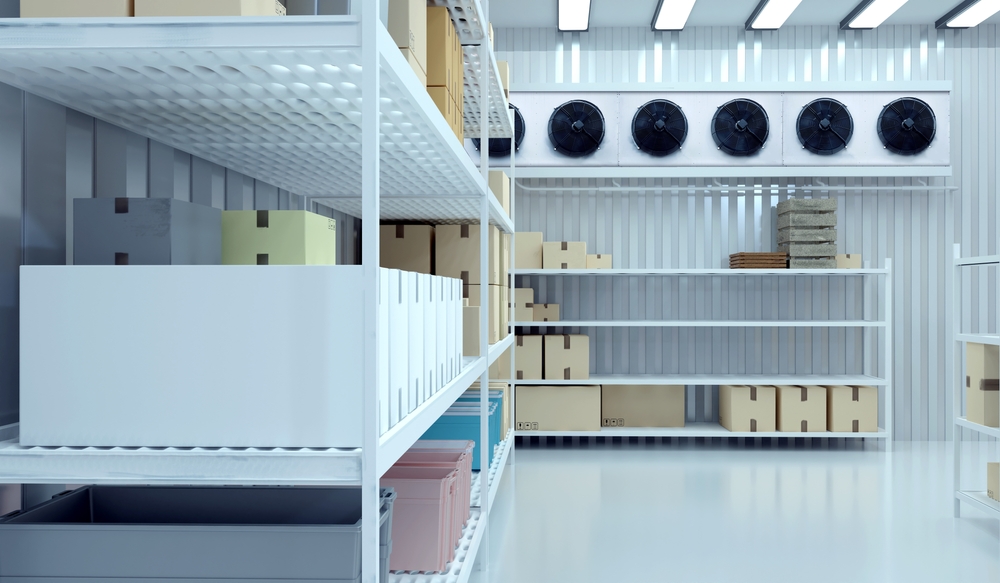
In the realm of commercial refrigeration, maintaining optimal conditions isn’t just about temperature control; it’s also heavily reliant on proper airflow and ventilation. These elements play a crucial role in preserving the quality and safety of stored goods while ensuring the efficiency and longevity of refrigeration units. This article explores why airflow and ventilation are paramount in commercial refrigeration spaces, discussing their impact on operations and the key considerations for maintaining them.
Why Airflow Matters
Efficient Cooling and Temperature Control
Airflow within a refrigeration unit determines how effectively heat is transferred away from stored items. Proper airflow ensures uniform cooling throughout the interior, preventing hot spots that can compromise the integrity of perishable goods. Inadequate airflow can lead to uneven temperatures and increased energy consumption as the refrigeration system works harder to maintain set temperatures.
Prevention of Moisture Buildup
Ventilation complements airflow by managing moisture levels inside the refrigerator. Proper ventilation helps mitigate condensation, which can otherwise lead to mold growth and affect the quality of stored items. It also reduces the workload on the refrigeration system by preventing frost buildup on evaporator coils, thus improving overall efficiency.
Ventilation in Commercial Refrigeration Spaces
Air Quality and Freshness
In commercial refrigeration spaces, maintaining good air quality is crucial for preserving food freshness and safety. Proper ventilation ensures that stale air is continuously exchanged with fresh, filtered air, reducing the risk of odors and contamination. This is particularly important in environments where various food items are stored together, as odors can easily transfer and compromise product quality.
Odor Control and Customer Experience
Effective ventilation systems not only enhance food preservation but also contribute to a pleasant shopping or dining experience. Customers are more likely to perceive freshness and cleanliness in a well-ventilated environment, positively impacting their perception of the establishment’s hygiene standards and quality of service.
Proper Air Circulation in Commercial Refrigeration
Refrigeration System Efficiency
Air circulation is essential for optimizing the efficiency of refrigeration systems. It ensures that cold air is distributed evenly across all shelves and compartments, minimizing temperature variations and reducing energy consumption. This not only lowers operational costs but also extends the lifespan of refrigeration equipment by reducing wear and tear associated with overworking to maintain consistent temperatures.
Maintenance Considerations
Maintaining proper air circulation involves regular inspection and cleaning of vents, fans, and air ducts. Over time, dust and debris can accumulate, obstructing airflow and impeding the efficiency of the refrigeration system. Routine maintenance schedules should include cleaning and inspecting these components to ensure they are functioning optimally.
Conclusion
The importance of airflow and ventilation in commercial refrigeration cannot be overstated. From ensuring efficient cooling and temperature control to preserving food quality and enhancing customer experience, these elements play a vital role in the overall operation and success of refrigeration systems. Business owners and operators should prioritize regular maintenance and proper airflow design to reap the benefits of improved efficiency, reduced energy costs, and prolonged equipment lifespan.
Need Commercial Refrigeration, Heating and Cooling in Eugene, OR?
Call American Refrigeration for all your commercial heating, ventilation & cooling needs! Founded in 1995, American Refrigeration has been proudly serving the Eugene & Portland areas with honesty & integrity for over 19 years. We specialize in commercial HVAC, air conditioning & heating repair, including medical laboratories and winery chillers. Emergency Repair is available 24/7 and we honor manufacturer rebates & warranties. Contact us today!