Keeping Your Business Cool: A Comprehensive Guide to Commercial HVAC Repair and Maintenance
As a business owner, you understand the importance of providing a comfortable environment for your employees and customers. One vital aspect of achieving that comfort is a reliable commercial HVAC system. It not only keeps your space cool in the scorching summer heat but also ensures a healthy and productive workplace all year round. However, like any other equipment, HVAC systems are prone to wear and tear, which can lead to inefficiencies and breakdowns. In this blog post, we will provide a comprehensive guide to commercial HVAC repair and maintenance, helping you keep your business cool and comfortable.
Regular Maintenance Checks
The first step to ensuring the longevity of your HVAC system is to schedule regular maintenance checks. Just like you would take your car for routine servicing, your commercial HVAC system requires routine maintenance to keep it running optimally. Ideally, maintenance checks should be done twice a year, before the summer and winter seasons when the system is under the most strain.
During these maintenance checks, a professional HVAC technician will perform several tasks. They will inspect and clean the system’s components, including filters, coils, and ducts. They will also check for leaks, lubricate the moving parts, and ensure that all electrical connections are working correctly. Finally, they will calibrate the thermostat and overall system to ensure it is working efficiently.
Addressing Repairs Promptly
Regular maintenance checks can help identify potential issues before they become major problems. However, despite careful maintenance, occasional repairs may still be necessary. Ignoring small issues can lead to more significant problems down the line, resulting in costly repairs and unexpected downtime.
Therefore, it is crucial to address any repair needs promptly. Keep an eye out for warning signs such as strange noises, foul odors, or reduced cooling efficiency. If you notice any of these signs, don’t hesitate to call in a professional HVAC technician to diagnose and fix the problem.
Energy Efficiency Upgrades
In addition to regular maintenance and repairs, you can also focus on enhancing the energy efficiency of your HVAC system. An energy-efficient HVAC system not only saves you money on utility bills but also supports sustainability efforts. Here are a few energy-saving upgrades to consider:
1. Programmable Thermostat: Upgrade to a programmable thermostat that allows you to set specific temperature schedules. This helps avoid unnecessary cooling during non-business hours, saving energy and money.
2. Zoning Systems: Consider installing zoning systems that allow different areas of your business space to have their own temperature settings. This way, you can optimize comfort where it’s needed while saving energy in less frequented areas.
3. Proper Insulation: Ensure that your business space is adequately insulated to prevent cool air from escaping. Insulation helps your HVAC system work more efficiently, reducing the strain on the system and ultimately saving you money.
Choosing the Right HVAC Contractor
Lastly, finding the right HVAC contractor for your business is crucial for reliable repairs and maintenance. Look for a company that specializes in commercial HVAC systems and has a good reputation. Verify that they are licensed, insured, and have experienced technicians who are familiar with your particular HVAC system. A trustworthy contractor will provide top-notch service, have transparent pricing, and offer emergency repair services when needed.
Conclusion
A well-maintained and efficient commercial HVAC system is essential for keeping your business cool and comfortable. Regular maintenance checks, prompt repairs, energy efficiency upgrades, and selecting the right HVAC contractor are all key factors in achieving this goal. By following this comprehensive guide, you can ensure the longevity of your HVAC system and provide a pleasant environment for your employees and customers, enhancing productivity and satisfaction. Got questions about your HVAC system? Let us help! Contact us today to learn more about what we can do for you!
Keeping Cool: A Guide to Troubleshooting and Repairing Commercial Freezers
Commercial freezers play a crucial role in the foodservice industry, allowing businesses to store perishable goods while keeping them fresh and safe. However, when these freezers encounter issues and stop working properly, it can be a significant problem for businesses and their bottom line. In this blog post, we will provide a guide to troubleshooting and repairing commercial freezers, helping business owners and operators diagnose and fix common problems.
1. Start with Basic Checks
When a commercial freezer is not working correctly, it’s essential to start with some basic checks before diving into more complicated troubleshooting. Make sure that the freezer is properly plugged in and that the power source is working correctly. Check the circuit breaker and fuse box to ensure that there are no tripped circuits or blown fuses. Additionally, verify that the temperature settings are properly adjusted and that the freezer is not set to defrost mode.
2. Assess Temperature Issues
One of the most common problems with commercial freezers is temperature-related issues. If the freezer is not maintaining the desired temperature, it can lead to spoiled food and potential health hazards. Begin by checking the thermostat settings and adjusting them if necessary. Inspect the door gaskets for any signs of wear or damage that may be causing air leaks. Clean the condenser coil to remove any dirt or debris that could be obstructing airflow. If the freezer is still not cooling properly, it may indicate a problem with the compressor or refrigerant levels, requiring professional assistance.
3. Address Frost Build-Up
Frost build-up inside the freezer can affect its efficiency and performance. If the freezer is accumulating excessive frost, it may be due to a faulty door gasket that is allowing warm air to enter or a problem with the defrost cycle. Check the door gasket for any signs of damage or deterioration and replace it if necessary. Inspect the defrost heater and timer to ensure that they are functioning correctly. If the problem persists, it may be a sign of a more significant issue, such as a malfunctioning defrost thermostat or control board, which will require professional repair.
4. Investigate Noisy Operation
Unusual noises coming from a commercial freezer can indicate underlying problems that need attention. Start by cleaning the condenser and evaporator coils to remove any dirt or debris that may be causing the noise. Check the fan blade to ensure that it is not loose or bent, potentially hitting other components. Inspect the motor and bearings for any signs of wear or damage that could be causing the noise. If the noise continues, it may indicate a more serious issue, such as a faulty compressor or fan motor, which will require professional repair or replacement.
5. Resolve Water Leakage
Water leakage from a commercial freezer can lead to safety hazards and potential equipment damage. If you notice water pooling inside or around the freezer, check the drain line for any obstructions. Clean the drain pan and ensure that it is properly aligned and functioning correctly. Check the door gasket for any leaks or damage that may be allowing condensation to form. Additionally, inspect the ice machine, if applicable, as it may be the source of the water leak. If the problem persists, it may indicate a clogged or frozen drain line that requires professional attention.
6. Seek Professional Assistance
While some troubleshooting and repairs can be done by business owners or operators, it’s essential to know when to seek professional assistance. If you have followed the troubleshooting steps outlined above and have not been able to resolve the issue, or if the problem involves complex components such as compressors or control boards, it’s best to contact a professional refrigeration technician. These professionals have the knowledge, experience, and specialized tools necessary to diagnose and repair commercial freezers accurately.
Conclusion
Commercial freezers are vital for businesses in the foodservice industry, and when they encounter issues, it’s crucial to address them promptly. By starting with basic checks, assessing temperature issues, addressing frost build-up, investigating noisy operation, and resolving water leakage, business owners can troubleshoot and repair common problems with their commercial freezers. Remember to seek professional assistance when necessary, as some issues require the expertise of a refrigeration technician. By keeping your commercial freezers in optimal condition, you can ensure the freshness and safety of your perishable goods and maintain the smooth operation of your business.
Got questions about your commercial freezer? Let us help! Contact us today to learn more about what we can do for you!
How Winery Chillers Ensure the Perfect Temperature for Your Wine: A Guide to Choosing the Right System
As a winery owner, you know how important it is to maintain the quality of your wine. The temperature at which your wine is stored and aged can significantly impact its taste, aroma, and complexity. This is precisely why investing in winery chillers is crucial.
Winery chillers are specifically designed to maintain the perfect temperature for wine storage and aging. They come in different sizes and styles, and choosing the right one can be challenging. This guide will help you understand the importance of winery chillers and how to choose the right system for your winery.
Why Do Winery Chillers Matter?
Wine is a delicate product that requires specific storage conditions to maintain its quality. The ideal temperature for wine storage and aging depends on the type of wine you produce. For example, red wine is typically stored between 55-65°F (12-18°C), while white wine is stored between 45-55°F (7-12°C).
Maintaining the perfect temperature is crucial because it affects the aging process and the development of the wine’s flavors and aromas. If the temperature is too high, the wine can spoil, and if it’s too low, it can slow down the aging process, affecting the wine’s quality.
Winery chillers ensure that the temperature of your wine is consistent and within the ideal range. They also help regulate humidity levels, which is crucial for the cork to stay moist and prevent oxidation.
Choosing the Right Winery Chiller
Choosing the right winery chiller depends on several factors, such as the size of your winery, the number of wine bottles you store, and your budget. Here are some things to consider when choosing the right winery chiller for your business:
1. Size
The size of the winery chiller will depend on the size of your winery and the number of wine bottles you store. It’s crucial to ensure that the chiller is large enough to accommodate your wine collection. If you plan on expanding your winery in the future, consider investing in a larger chiller to avoid having to buy a new one later.
2. Type of Chiller
There are two types of chillers: air-cooled and water-cooled. Air-cooled chillers use air to bring the temperature of the wine down, while water-cooled chillers use water. Air-cooled chillers are more common and generally less expensive, while water-cooled chillers are more energy-efficient and work well in areas with high temperatures.
3. Energy Efficiency
Energy efficiency is a crucial factor to consider when choosing a winery chiller. An energy-efficient chiller can help you save money on your energy bills and reduce your environmental impact. Look for chillers that have a high SEER (Seasonal Energy Efficiency Ratio) rating, which measures the cooling output of the chiller per unit of energy used.
4. Temperature Range
Different types of wine require different temperature ranges for storage and aging. Consider choosing a chiller that has an adjustable temperature range so that you can accommodate different types of wine. Some chillers come with dual temperature zones, allowing you to store both red and white wine at the same time.
5. Noise Level
If you have a small winery or tasting room, the noise level of the chiller may be a factor to consider. Some chillers can be noisy, while others are designed to operate quietly.
6. Maintenance
Regular maintenance is necessary to ensure that your chiller operates efficiently and lasts for a long time. Consider choosing a chiller that is easy to maintain and has readily available replacement parts.
7. Budget
Finally, consider your budget when choosing a winery chiller. Chillers can be expensive, and it’s important to choose one that fits within your budget. However, keep in mind that investing in a high-quality chiller will pay off in the long run by ensuring the quality of your wine and minimizing the risk of spoilage.
Final Thoughts
Winery chillers are essential for maintaining the quality of your wine. By ensuring the perfect temperature and humidity levels, they help preserve the wine’s flavor, aroma, and complexity. When choosing a chiller, consider factors such as size, type of chiller (air-cooled or water-cooled), energy efficiency, temperature range, noise level, maintenance, and budget. Investing in a high-quality winery chiller will pay off in the long run and ensure that your wine is of the highest quality.
Ice Machines: Why They’re a Must-Have for Your Business
As a business owner, you know that having the right equipment in your establishment is crucial to your success. It ensures that your operations run smoothly, your customers are satisfied, and your staff is productive. One piece of equipment that is often overlooked but is essential to have is an ice machine.
Ice machines may seem like a small investment, but the benefits that they provide are significant. Here are some reasons why having an ice machine in your business is a must-have:
1. Convenience
Ice is essential for many businesses; from bars, restaurants, cafes, and hotels, to healthcare facilities and offices. Without an ice machine, you will either have to purchase ice from a supplier, which can be expensive in the long run, or make your ice, which is not practical and consumes a lot of time. An ice machine saves you the hassle and time of making ice, and it ensures that you have a constant supply of ice whenever you need it.
2. Consistency
When you rely on purchasing ice, you are dependent on your supplier to provide you with quality ice consistently. However, with an ice machine, you have control over the quality and quantity of ice that you produce. You can ensure that the ice is clean, free from impurities, and of the right consistency. This consistency can help you maintain the quality of your products, such as cocktails, smoothies, or iced drinks, and ensure that your customers are satisfied every time.
3. Cost Savings
Investing in an ice machine may seem like an additional cost, but in the long run, it can help you save money. By producing your ice, you eliminate the need to purchase ice from a supplier, which can be costly, especially during peak seasons. Moreover, you can avoid the frequent restocking of ice, which can be time-consuming and affect your operations.
4. Hygiene
Hygiene is crucial in any food establishment, and ice is no exception. Purchased ice may have been made in unhygienic conditions or transported in unsanitary containers, which can pose a health hazard to your customers. With an ice machine, you have control over the quality of ice that you produce, ensuring that it is clean and safe for consumption.
5. Energy Efficiency
Ice machines come in different sizes and styles, meaning you can choose a machine that suits your business’s needs, whether big or small. Moreover, some models have energy-saving features, such as automatic shut-off controls, which help reduce energy costs. Investing in an energy-efficient ice machine can not only help you save money but also reduce your environmental impact.
6. Customer Satisfaction
Customer satisfaction is crucial to the success of any business, and having an ice machine can contribute to that. It ensures that you have a consistent supply of ice to serve your customers, whether it’s for cold beverages or chilled food items. Moreover, serving cold drinks on a hot day is a perfect way to keep your customers refreshed, happy, and coming back for more.
7. Increased Productivity
When your staff spends time making ice, it takes away time that could be used to attend to customers or perform other essential tasks. An ice machine eliminates this task, allowing your staff to focus on serving customers and improving your operations’ overall productivity.
Final Thoughts
Investing in an ice machine may not seem like a significant investment, but its benefits are immense. By providing convenience, consistency, cost savings, hygiene, energy efficiency, customer satisfaction, and increased productivity, an ice machine is undoubtedly a must-have for any business. So, if you haven’t already, invest in an ice machine today, and enjoy the benefits that come with it.
Tips For Organizing a Commercial Fridge or Freezer
Organizing a commercial fridge or freezer can be a daunting task, especially when you are handling a busy kitchen or retail environment. However, a well-organized fridge or freezer is crucial for maintaining food safety and efficiency. In this blog post, we will discuss some tips for organizing a commercial fridge or freezer.
1. Keep Categories of Food Separate
One of the essential things that you need to do when organizing a commercial fridge or freezer is to keep the categories of food separate. For example, you should keep raw meats separately from cooked meats and seafood to prevent cross-contamination. Similarly, you should store dairy products away from meat products.
To make it easier to keep food categories separate, you can assign zones or areas within the fridge or freezer according to food type. For example, you can assign one storage area to produce, another area to meats and poultry, and so on. Labeling shelves or sections can also be a helpful way to make sure everyone knows where things go.
2. Label and Date Everything
Labeling and dating everything in the fridge or freezer is crucial for keeping track of inventory and for food safety. When labeling bottles and containers, include the date of the product and use-by dates. You should then store products with the earliest use-by dates at the front of the fridge or freezer, so they are used before expiry.
Using labeling software can help make the labeling process more efficient and make checking the product dates easier. It’s always best to err on the side of caution when it comes to food safety, so don’t hesitate to throw things away if they’re expired.
3. Use Proper Storage Containers
Proper storage containers are crucial for maintaining food safety and preventing spoilage. Plastic containers with tight-fitting lids are ideal for storing dry ingredients or wet ingredients that should stay dry, like prepped fruits or vegetables. Glass or metal are great options for anything acidic (like citrus) or for hot ingredients.
Vacuum-sealed bags or containers with an airtight seal are a great option for storing marinated meat or other items that need to be packed tightly. You can also use plastic wrap to seal items like deli meats or cheeses.
4. Use Racks and Shelving
Using racks and shelving in the commercial fridge or freezer can maximize storage space and make it easier to organize items. Racks keep food off the ground and away from spills, while shelves can help maximize space.
The types of shelving you use will depend on the type of products you store. Wire racks or perforated metal shelves are best for allowing air to circulate, which helps keep produce fresh. Solid shelves are great for baking sheets or other flat items.
5. Schedule Regular Cleaning
Regular cleaning of the commercial fridge or freezer is essential for maintaining food safety and hygiene. Regularly clean and sanitize shelving, racks, and storage containers. Use a diluted bleach solution to sanitize, and regularly wipe down exterior surfaces with a commercial disinfectant cleaner.
Taking regular inventory of your perishable items and regularly throwing away anything that has expired is also part of the regular cleaning process. Make sure any spills are cleaned up immediately so as not to set a foul odor or attract pests.
Final Thoughts
Organizing a commercial fridge or freezer can be a challenge, but it is crucial for maintaining food safety and efficiency. You can follow the above tips to keep your commercial fridge or freezer organized and safe for your operation. Remember to keep categories of food separate, label, and date everything, use proper storage containers, use racks and shelving, and schedule regular cleaning. With these steps, you can maintain a safe and organized refrigerator or freezer in your commercial kitchen or retail environment.

 How Winery Chillers Ensure the Perfect Temperature for Your Wine: A Guide to Choosing the Right System
 Ice Machines: Why They’re a Must-Have for Your Business
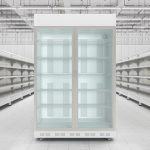 Tips For Organizing a Commercial Fridge or Freezer