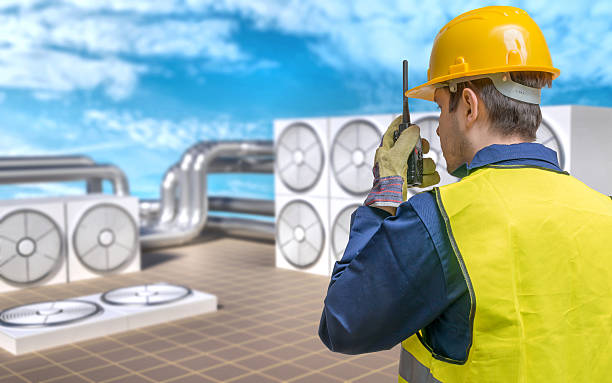
When it comes to winemaking, temperature plays a crucial role in the fermentation process and the overall quality of the wine. Therefore, it is essential for wineries to invest in a reliable HVAC (Heating, Ventilation, and Air Conditioning) system that can provide precise temperature control. In this blog post, we will explore the key factors to consider when choosing the right HVAC system for your winery.
1. Understanding Your Winery’s Needs:
Before selecting an HVAC system, it is crucial to understand the specific temperature control requirements of your winery. Different types of wines require different temperature ranges for fermentation and aging. For example, red wines typically require higher temperatures for fermentation, while white wines require cooler temperatures. Take into account the size of your winery, the number of tanks and barrels you have, and the desired temperature range for each stage of the winemaking process.
2. Efficient Cooling and Heating Capacity:
The HVAC system you choose should have the capacity to efficiently cool or heat your winery according to your specific needs. It should be capable of effectively maintaining a consistent temperature throughout the year, regardless of external weather conditions. Look for a system that offers both the cooling and heating capabilities required for your winery’s operation.
3. Zoning and Air Distribution:
Wineries often have different areas with varying temperature requirements, such as fermentation rooms, barrel cellars, and tasting rooms. Therefore, it is essential to have an HVAC system that allows for zoning, where different areas can be independently controlled. This ensures that each section of your winery can maintain its optimal temperature. Additionally, consider the air distribution method of the HVAC system to ensure that it provides even and adequate airflow throughout the winery.
4. Humidity Control:
In addition to temperature control, humidity plays a significant role in winemaking. High humidity levels can lead to mold growth, while low humidity can cause barrel evaporation and wine oxidation. An effective HVAC system for wineries should have the ability to maintain the desired humidity levels within each area. Look for systems that incorporate humidification and dehumidification capabilities to regulate the moisture content in different sections of your winery.
5. Energy Efficiency:
Energy consumption is an important consideration for any HVAC system. Opting for an energy-efficient system not only helps reduce operating costs but is also environmentally friendly. Look for HVAC systems that have high energy efficiency ratings and utilize technologies like variable speed drives, which adjust the system’s output based on demand. Additionally, consider systems that utilize sustainable energy sources such as geothermal or solar power.
6. Noise Control:
Winery visitors often come to enjoy the tranquil atmosphere and savor the wine experience. Therefore, it is important to choose an HVAC system that operates quietly and minimizes noise disruptions. Loud HVAC systems can negatively impact the overall ambiance and customer experience. Look for systems that are designed to operate silently or have noise-reducing features.
7. Maintenance and Service:
Regular maintenance is crucial to keep your HVAC system running smoothly and efficiently. When choosing an HVAC system for your winery, consider the availability of maintenance and service support. Ensure that the manufacturer or supplier provides regular maintenance services and has a reliable customer support system to address any issues that may arise.
Summary
Choosing the right HVAC system for your winery is essential to maintain the temperature control requirements of winemaking. Consider the specific needs of your winery, including cooling and heating capacity, zoning capabilities, humidity control, energy efficiency, noise control, and maintenance support. By investing in a dependable HVAC system, you can ensure that your wines are crafted under optimal conditions, ultimately enhancing their quality and flavor.
Need Commercial Refrigeration, Heating and Cooling in Eugene, OR?
Call American Refrigeration for your commercial heating, ventilation & cooling needs. Founded in 1995, American Refrigeration has been proudly serving the Eugene & Portland areas with honesty & integrity for over 19 years. We specialize in commercial HVAC, air conditioning & heating repair, including medical laboratories and winery chillers. Emergency Repair is available 24/7 and we honor manufacturer rebates & warranties. Contact us today!
Heating, Ventilation, and Cooling (HVAC) systems are essential for creating a comfortable and controlled indoor environment in commercial spaces. They play a critical role in maintaining optimal temperature, humidity levels, and air quality. In this blog, we will explore the basics of commercial HVAC systems, discussing their components, functions, and importance for businesses.
1. Understanding HVAC Systems: Components and Functions
Commercial HVAC systems consist of various components that work together to ensure efficient heating, ventilation, and cooling. The primary components include:
– Furnace or Boiler: The furnace or boiler is responsible for heating the air or water that circulates within the system.
– Air Conditioning Unit: The air conditioning unit cools the air by removing heat and moisture.
– Ventilation System: The ventilation system ensures the exchange of fresh air and the removal of stale air, odors, and pollutants.
– Ductwork: Ductwork distributes the conditioned air throughout the building and returns the air back for further treatment.
– Thermostat: The thermostat is the control center that allows users to adjust and regulate the temperature, humidity, and other settings.
The primary functions of a commercial HVAC system are to provide heating during cold weather, cooling during hot weather, and ventilation to maintain fresh indoor air quality.
2. Heating: Creating Comfortable and Warm Indoor Spaces
Heating is a crucial aspect of any commercial HVAC system, especially during colder months. A properly functioning heating system ensures a comfortable indoor temperature, allowing employees, customers, and occupants to work or stay in a warm environment. Depending on the size and layout of the commercial space, different types of heating systems, such as forced air furnaces, radiant systems, or heat pumps, may be installed.
3. Cooling: Maintaining Optimal Indoor Temperature
Commercial HVAC systems also provide cooling capabilities to combat the scorching heat of summer. Air conditioning units help remove heat from the indoor air, creating a cool and comfortable environment. The cooling process involves the refrigeration cycle, where heat is transferred from the indoor air to the outdoor environment. Central air conditioning systems, rooftop units, or split systems are commonly used in commercial settings to ensure efficient cooling.
4. Ventilation: Promoting Fresh Air and Optimal Air Quality
Ventilation is a crucial component of any commercial HVAC system. It provides a continuous supply of fresh air while removing stale air, odors, and pollutants. Proper ventilation helps control humidity levels, prevent the buildup of indoor air pollutants, and maintain a healthy and comfortable indoor environment. Ventilation systems can include mechanical equipment such as air handlers, exhaust fans, and fresh air intake systems, ensuring a constant flow of fresh air throughout the building.
5. Importance of Regular Maintenance and Energy Efficiency
Maintaining an efficient and reliable commercial HVAC system requires regular maintenance. Routine inspections, cleaning, and servicing of the system’s components are necessary to ensure optimal performance, improve energy efficiency, and prolong the lifespan of the equipment. HVAC technicians can identify and resolve issues, such as clogged filters, faulty thermostats, or leaks, before they escalate into more significant problems.
Energy efficiency is a significant consideration for commercial HVAC systems. High-efficiency equipment can significantly reduce energy consumption and operational costs, while environmentally friendly refrigerants help minimize the ecological impact. Businesses should consider investing in energy-efficient HVAC systems and explore options, such as smart thermostats or variable speed drives, to optimize energy usage and reduce their carbon footprint.
Investing in Comfort and Indoor Air Quality
Understanding the basics of commercial HVAC systems is essential for businesses aiming to create a comfortable and healthy indoor environment. Heating, ventilation, and cooling are vital components that ensure optimal temperature, humidity levels, and air quality. By investing in regular maintenance, energy-efficient equipment, and smart technologies, businesses can not only maximize occupant comfort but also reduce operational costs and contribute to a sustainable future.
Need Commercial Refrigeration, Heating and Cooling in Eugene, OR?
Call American Refrigeration for your commercial heating, ventilation & cooling needs. Founded in 1995, American Refrigeration has been proudly serving the Eugene & Portland areas with honesty & integrity for over 19 years. We specialize in commercial HVAC, air conditioning & heating repair, including medical laboratories and winery chillers. Emergency Repair is available 24/7 and we honor manufacturer rebates & warranties. Contact us today!
Keeping Your Business Cool: A Comprehensive Guide to Commercial HVAC Repair and Maintenance
As a business owner, you understand the importance of providing a comfortable environment for your employees and customers. One vital aspect of achieving that comfort is a reliable commercial HVAC system. It not only keeps your space cool in the scorching summer heat but also ensures a healthy and productive workplace all year round. However, like any other equipment, HVAC systems are prone to wear and tear, which can lead to inefficiencies and breakdowns. In this blog post, we will provide a comprehensive guide to commercial HVAC repair and maintenance, helping you keep your business cool and comfortable.
Regular Maintenance Checks
The first step to ensuring the longevity of your HVAC system is to schedule regular maintenance checks. Just like you would take your car for routine servicing, your commercial HVAC system requires routine maintenance to keep it running optimally. Ideally, maintenance checks should be done twice a year, before the summer and winter seasons when the system is under the most strain.
During these maintenance checks, a professional HVAC technician will perform several tasks. They will inspect and clean the system’s components, including filters, coils, and ducts. They will also check for leaks, lubricate the moving parts, and ensure that all electrical connections are working correctly. Finally, they will calibrate the thermostat and overall system to ensure it is working efficiently.
Addressing Repairs Promptly
Regular maintenance checks can help identify potential issues before they become major problems. However, despite careful maintenance, occasional repairs may still be necessary. Ignoring small issues can lead to more significant problems down the line, resulting in costly repairs and unexpected downtime.
Therefore, it is crucial to address any repair needs promptly. Keep an eye out for warning signs such as strange noises, foul odors, or reduced cooling efficiency. If you notice any of these signs, don’t hesitate to call in a professional HVAC technician to diagnose and fix the problem.
Energy Efficiency Upgrades
In addition to regular maintenance and repairs, you can also focus on enhancing the energy efficiency of your HVAC system. An energy-efficient HVAC system not only saves you money on utility bills but also supports sustainability efforts. Here are a few energy-saving upgrades to consider:
1. Programmable Thermostat: Upgrade to a programmable thermostat that allows you to set specific temperature schedules. This helps avoid unnecessary cooling during non-business hours, saving energy and money.
2. Zoning Systems: Consider installing zoning systems that allow different areas of your business space to have their own temperature settings. This way, you can optimize comfort where it’s needed while saving energy in less frequented areas.
3. Proper Insulation: Ensure that your business space is adequately insulated to prevent cool air from escaping. Insulation helps your HVAC system work more efficiently, reducing the strain on the system and ultimately saving you money.
Choosing the Right HVAC Contractor
Lastly, finding the right HVAC contractor for your business is crucial for reliable repairs and maintenance. Look for a company that specializes in commercial HVAC systems and has a good reputation. Verify that they are licensed, insured, and have experienced technicians who are familiar with your particular HVAC system. A trustworthy contractor will provide top-notch service, have transparent pricing, and offer emergency repair services when needed.
Conclusion
A well-maintained and efficient commercial HVAC system is essential for keeping your business cool and comfortable. Regular maintenance checks, prompt repairs, energy efficiency upgrades, and selecting the right HVAC contractor are all key factors in achieving this goal. By following this comprehensive guide, you can ensure the longevity of your HVAC system and provide a pleasant environment for your employees and customers, enhancing productivity and satisfaction. Got questions about your HVAC system? Let us help! Contact us today to learn more about what we can do for you!
The Benefits Of Seasonal Maintenance For Commercial HVAC Systems
If you’re a business owner, you know how important it is to have a working heating and cooling system. Without it, you’re not likely to be comfortable in your building and your employees are more at risk for sickness and injury. Getting seasonal maintenance for your commercial HVAC system can help you keep it running at peak efficiency and extend its life span. Here are just a few of the benefits that you can gain from getting it serviced twice a year.
Improve Lifespan
Whether you own a commercial building or manage one, the HVAC system in your facility is one of its most important components. This is because it helps keep your property comfortable in all seasons. The lifespan of a commercial HVAC system depends on many different factors, but getting seasonal maintenance is important to maximize its longevity and performance. When your commercial HVAC equipment is maintained regularly, it runs more efficiently and uses less energy to perform its functions. This can save you money in the long run. It can also help you extend the life of your HVAC equipment by catching problems early, before they become big and expensive to repair. As a result, you can avoid costly emergency repairs and prevent the need for a full replacement.
Peak Efficiency
When your commercial HVAC system breaks down, it can affect your business’s productivity and reputation. Not to mention, it can also cost your company time and money for repairs or a full replacement. A well-maintained HVAC system can last longer and avoid breakdowns altogether. In fact, a regular maintenance schedule can extend your system’s lifespan by up to 15 years! Getting your commercial HVAC system serviced twice a year is the best way to ensure it’s running at peak efficiency all year long. It’s especially important to get your air filters replaced on a regular basis.
Reduced Energy Bills
In the commercial building sector, HVAC systems consume approximately 15% of a buildings energy usage1, and up to 30% of that energy is wasted2. That’s why it’s so important for commercial business owners and managers to take advantage of seasonal maintenance for their commercial HVAC system. By doing so, they can cut down on their energy bills and improve the efficiency of their commercial building’s system.
Increased Indoor Air Quality
Getting seasonal maintenance for your commercial HVAC system can significantly improve the quality of the air in your office or business. This is important for your employees and customers, as it can ensure they remain comfortable and productive. Clean air filters will help reduce allergens and other airborne particles that can cause respiratory issues. They can also prevent the buildup of mold and bacteria that could eventually lead to costly repairs!
When To Call A Commercial Freezer Repair Technician
A commercial freezer is an essential part of any restaurant, liquor store, or convenience store. When it malfunctions, you can lose valuable inventory and customers. To keep your equipment working well, you need to schedule regular maintenance checks. When a technician visits your facility, they can spot problems before they occur.
Ice Buildup
When it comes to commercial freezers, ice and frost buildup can be a serious problem. This buildup is a sign that your defrost cycle isn’t working properly. In addition to affecting food safety, excess moisture can also damage the interior of the freezer. Fortunately, most of these issues can be addressed by a professional technician who can fix them before they become larger problems. The sooner a problem is recognized, the better.
Inconsistent Temperature
Your food retail business relies on the ability of your commercial freezer to maintain a consistent temperature. If your commercial freezer can’t hold a steady temperature, this could be an indication that it needs repair. It may also be a sign that it’s time to upgrade to a newer, more efficient model. Inconsistent temperatures can also be caused by damaged seals or gaskets. When these seals are worn or broken, they allow cold air to escape. This can lead to the thawing of your food and a spike in your energy costs. A professional repair technician can help you determine if this is an issue that needs to be addressed right away. If the problem isn’t addressed, it can cause food to spoil or become contaminated, causing health concerns for you and your customers.
Water Leaks
When you see puddles on the floor around your freezer, it is a good sign that your seals are wearing out. You also want to take a closer look at the doors. If you are able to open the door with your fingers, this is a sign that your motor is not working as well as it used to. While this is not a particularly costly repair, it can make your fridge less efficient and potentially unsafe for your employees or customers. You might want to consider a maintenance contract as it can save you money down the road. That being said, when your commercial freezer is in need of repair, you want to call a technician who can do the job right the first time. After all, a small issue that goes unrepaired could lead to a much bigger problem.

 When it comes to winemaking, temperature plays a crucial role in the fermentation process and the overall quality of the wine. Therefore, it is essential for wineries to invest in a reliable HVAC (Heating, Ventilation, and Air Conditioning) system that can provide precise temperature control. In this blog post, we will explore the key factors to consider when choosing the right HVAC system for your winery.
 Heating, Ventilation, and Cooling (HVAC) systems are essential for creating a comfortable and controlled indoor environment in commercial spaces. They play a critical role in maintaining optimal temperature, humidity levels, and air quality. In this blog, we will explore the basics of commercial HVAC systems, discussing their components, functions, and importance for businesses.